
Why Most Households End Up Using Self Storage
Understanding the everyday reasons households need extra space
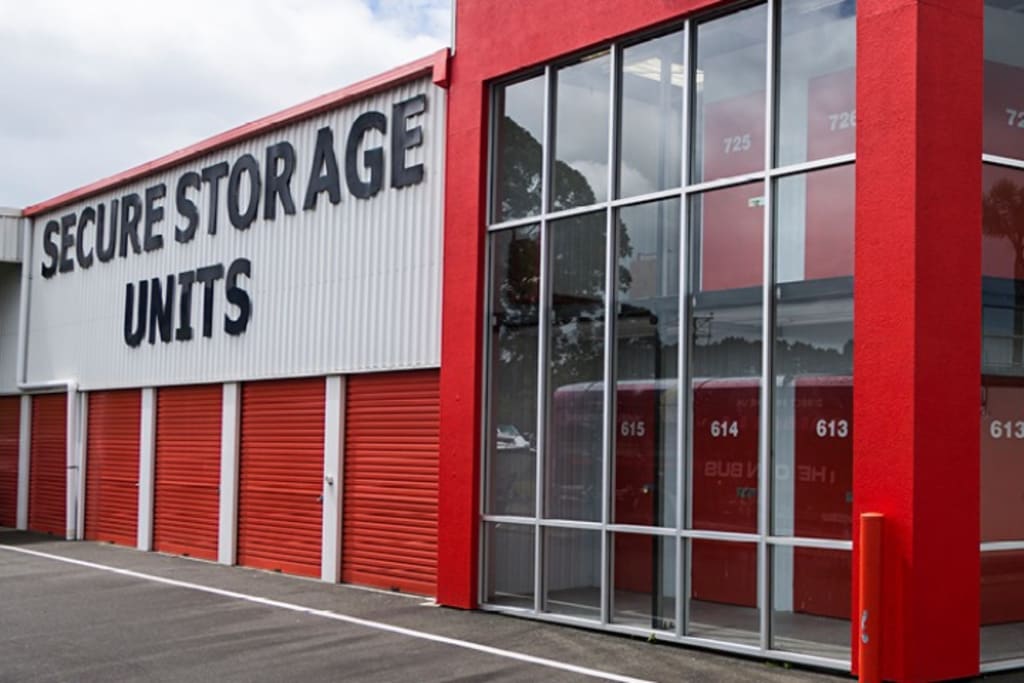
Self storage is one of those things most households do not plan for. Very few people move into a home thinking they will need extra space somewhere else. Yet over time, more and more households end up renting a storage unit, often for reasons that feel completely unavoidable.
In cities and regional centres across the World and in New Zealand, self storage has quietly become part of everyday household life. Not because people want more stuff, but because modern living leaves very little room for flexibility when plans change.
Homes are getting tighter, not bigger
One of the biggest drivers behind household storage use is simple space. Many newer homes and apartments are designed with efficiency in mind, not excess. Garages are smaller, sheds are rare, and built-in storage is often minimal.
Even in family homes, spare rooms quickly disappear once children arrive or work-from-home setups become permanent. Items that used to live in cupboards or under stairs suddenly have nowhere sensible to go.
Rather than throwing things out, many households turn to self storage as a practical overflow solution.
Moving house creates instant storage pressure
Few household moves are perfectly timed. Settlement dates rarely line up cleanly, and rental handovers can leave gaps of days or even weeks.
In those moments, self storage becomes the simplest way to bridge the gap. Furniture, boxes, and personal belongings need to go somewhere safe while households transition between homes.
This is especially common in larger centres, where competition for housing can force quick decisions and short notice moves.
Renovations almost always take longer than expected
Anyone who has renovated a home knows that timelines are optimistic at best. Trades get delayed, materials run late, and what was meant to be a short project can stretch on for months.
During renovations, households need space to protect furniture, appliances, and personal items from dust, moisture, and damage. Living around stacked boxes and wrapped furniture is rarely realistic, particularly for families.
Self storage offers a way to clear the home and keep daily life manageable while work is underway.
Families grow, storage rarely keeps up
As households grow, so does the volume of belongings. Children bring prams, cots, toys, sports gear, and clothing that is often kept for future use. What feels temporary tends to linger.
At the same time, many households hesitate to part with items that may be useful again, such as baby furniture, bikes, or seasonal equipment.
Self storage becomes a way to hold onto those items without overcrowding the home.
Downsising creates its own challenges
Downsising is often presented as a simple process, but in reality it can be emotionally and logistically complex. Households moving into smaller homes may not be ready to let go of possessions accumulated over decades.
Family heirlooms, furniture, and keepsakes often need a temporary home while decisions are made.
Storage gives households breathing room, allowing them to adjust gradually rather than making rushed choices they may regret.
Working from home has changed how space is used
The shift toward working from home has permanently changed household layouts. Spare rooms have become offices, garages have turned into workspaces, and storage areas have been repurposed.
This leaves fewer places for household items that were previously out of sight. Storage units fill the gap by taking on what no longer fits within the home’s new function.
Seasonal and lifestyle items add up quickly
Many households own items that are used only part of the year. Ski gear, camping equipment, holiday decorations, sports equipment, and outdoor furniture all take up valuable space.
Keeping these items at home year-round often means sacrificing everyday comfort. Storage allows households to rotate items as needed without clutter.
Emotional attachment plays a bigger role than people admit
Storage is not always about practicality. Many households store items because they are tied to memories, future plans, or family connections.
Boxes of photos, inherited furniture, and personal collections often end up in storage while households decide what to keep and what to pass on.
Having a secure place for these belongings can ease the stress of change during major life transitions.
Self storage as a pressure release, not a permanent fix
For most households, self storage is not meant to be forever. It acts as a pressure release when life becomes temporarily messy or uncertain.
Whether it is a move, a renovation, a growing family, or a change in lifestyle, storage provides flexibility at moments when households need options rather than hard decisions.
The rise of self storage among households is less about accumulation and more about adaptation. Homes are being asked to serve more purposes than ever before, often without growing in size.
For many households, self storage has become a practical way to navigate change, protect belongings, and buy time while life settles into its next phase.
About the Creator
Keep reading
More stories from Your NZ Local and writers in Families and other communities.
Big Chains vs Local Timber Merchants in New Zealand
Walk into any timber yard in New Zealand and you will hear the same debate play out sooner or later. Is it better to buy timber from a big national chain, or are local and regional timber merchants the smarter choice?
By Your NZ Local6 days ago in Journal
Essential Home Improvement Tips Every Homeowner Should Know
Home improvement is not just about making a house look attractive—it is about enhancing comfort, improving functionality, ensuring safety, and increasing long-term value. Whether you have recently purchased a home or have lived in one for years, understanding essential home improvement principles can help you protect your investment and create a better living space. Smart improvements, when planned correctly, can save money, reduce stress, and improve everyday life.
By Qadir Khichi7 days ago in Families




Comments
There are no comments for this story
Be the first to respond and start the conversation.