
Maitri Upanishad
The Upanishad on Seeking Truth and Knowledge through Friendship

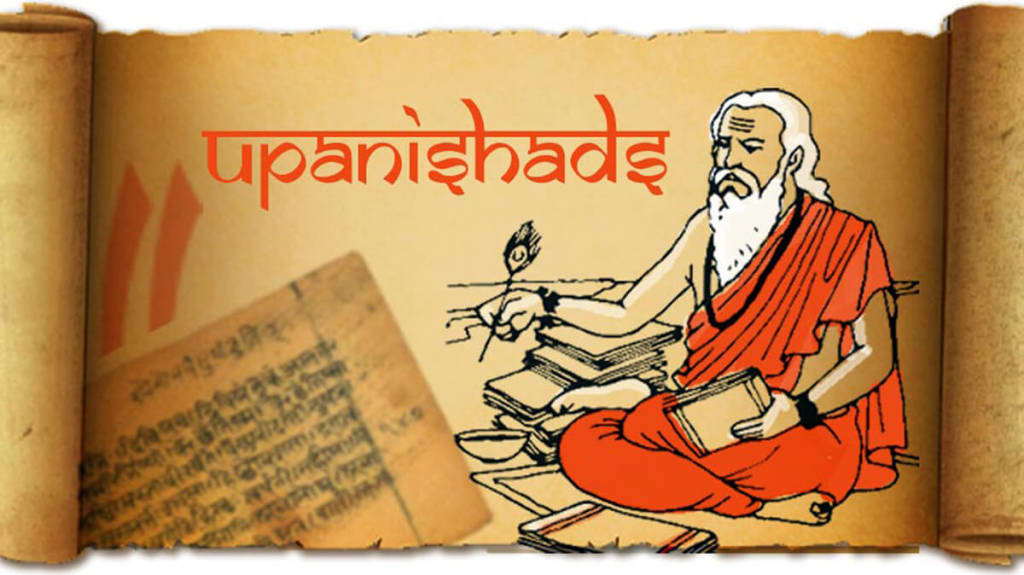
The Maitri Upanishad, also known as the Maitrayaniya Upanishad, is a significant philosophical text that belongs to the Krishna Yajurveda. As part of the broader Upanishadic literature, it explores the profound nature of reality, the self (Atman), and the ultimate goal of human existence—liberation (Moksha). Composed around 500-400 BCE, during a period of rich philosophical inquiry in ancient India, this Upanishad offers insights into meditation, ethics, and the interconnection between all beings. Its teachings remain relevant today, providing guidance for those on the spiritual path.
Historical Context
Vedic Traditions: The Maitri Upanishad is rooted in the Vedic tradition, which encompasses a vast body of texts including the Vedas, Brahmanas, Aranyakas, and Upanishads. The Vedas, composed around 1500-500 BCE, are the oldest sacred texts of Hinduism, serving as the foundation for later philosophical thought. The Upanishads, emerging towards the end of the Vedic period, shift the focus from ritualistic practices to metaphysical inquiry, emphasising the exploration of consciousness and reality.
Philosophical Landscape: The Maitri Upanishad reflects the intellectual climate of its time, where thinkers were grappling with questions about existence, the nature of the self, and the concept of Brahman. This period saw the emergence of various philosophical schools, including Advaita (non-dualism) and Dvaita (dualism), which shaped the discourse on the relationship between the individual and the divine.
Influence of Other Texts: The Upanishad draws upon earlier texts, including the Taittiriya Upanishad and the Brahadaranyaka Upanishad, incorporating and expanding upon their themes. This interconnectedness highlights the evolution of thought within the Upanishadic tradition and the ongoing dialogue among philosophers.
Structure and Content
The Maitri Upanishad consists of six chapters, each addressing different aspects of philosophy, ethics, and spirituality. Here’s a detailed overview of its structure and key teachings:
First Chapter: Nature of Reality
The Upanishad begins with an exploration of the nature of reality, emphasising the unity of Atman and Brahman. It discusses the concept of Brahman as the ultimate reality, which is formless, timeless, and beyond human comprehension. The chapter posits that the individual self (Atman) is a reflection of Brahman, and releasing this connection is the key to liberation.
This chapter also introduces the idea that the universe is a manifestation of Brahman, where everything is interconnected. This holistic view encourages individuals to recognize their place within the cosmic order.
Second Chapter: Ethical Living and Dharma
The second chapter focuses on the importance of ethical conduct and adherence to Dharma (righteousness). It outlines the virtues that individuals should cultivate, including truthfulness, compassion, and self-discipline.
The text emphasises that ethical living is essential for spiritual growth, asserting that one cannot attain higher states of consciousness without a foundation of moral values. This connection between ethics and spirituality reflects the integral role of Dharma in the pursuit of Moksha.
Third Chapter: Meditation and Self-Realisation
This chapter delves into the practices of meditation (Dhyana) and contemplation as means to achieve self-realisation. The Upanishad describes meditation as a way to quiet the mind and attain higher states of awareness.
The text provides instructions on how to meditate effectively, highlighting the need for concentration and discipline. It asserts that through meditation, individuals can transcend the limitations of the mind and experience the unity of Atman and Brahman.
Fourth Chapter: The Role of the Guru
The fourth chapter underscores the significance of a spiritual teacher (Guru) in guiding seekers on their path to enlightenment. The Upanishad describes the qualities of a true Guru, emphasising wisdom, compassion, and the ability to impart knowledge.
It discusses the relationship between the Guru and disciple, portraying it as a sacred bond essential for spiritual progress. The text emphasises the need for surrender and devotion to the Guru as a means of receiving guidance and wisdom.
Fifth Chapter: The Nature of the Universe
In this chapter, the Upanishad elaborates on the nature of the universe and its interconnectedness. It presents the view that all beings are manifestations of Brahman, and the universe operates according to a cosmic order.
This chapter also addresses the cyclical nature of existence, emphasising the concepts of birth, death, and rebirth (samsara). It asserts that understanding this cycle is crucial for attaining liberation, as it allows individuals to transcend the limitations of the material world.
Sixth Chapter: Liberation and Eternal Peace
The final chapter articulates the concept of Moksha, or liberation, as the ultimate goal of human existence. It describes Moksha as the realisation of the self’s true nature and the attainment of eternal peace.
The text emphasises that through self-realisation and understanding of Brahman, individuals can transcend the cycle of samsara and experience the bliss of liberation. This chapter serves as a culmination of the teachings presented throughout the Upanishad, reinforcing the importance of spiritual knowledge and practice.
Key Themes
Atman and Brahman: A central theme of the Maitri Upanishad is the relationship between Atman (the individual self) and Brahman (the ultimate reality). The text posits that releasing this connection is essential for attaining spiritual liberation. The mantra “Tat Tvam Asi” (That Thou Art) encapsulates this idea, signifying the oneness of the individual with the universal.
Unity of Existence: The Upanishad emphasises the interconnectedness of all beings and the universe, promoting a worldview that sees all existence as part of a greater whole. This theme aligns with the broader philosophical discourse found in other Upanishads and underscores the importance of recognizing the unity in diversity.
Ethical Conduct: Ethical living and adherence to Dharma are highlighted as essential practices for spiritual growth. The text encourages individuals to cultivate virtues such as compassion, truthfulness, and self-discipline, emphasising that these qualities are foundational to achieving higher states of consciousness.
Meditation and Contemplation: The importance of meditation and contemplation is underscored as a means to attain higher states of awareness and realise the nature of the self. The Upanishad provides guidance on meditation techniques, encouraging practitioners to develop concentration and discipline.
Guru-Disciple Relationship: The relationship between the Guru and the disciple is portrayed as a sacred bond essential for spiritual progress. The Upanishad emphasises the qualities that define a true Guru and the need for surrender to divine guidance, highlighting the importance of mentorship in spiritual practice.
Liberation (Moksha): The text articulates the concept of Moksha as the ultimate goal of human existence. It suggests that through self-realisation and understanding of Brahman, individuals can transcend the cycle of birth and death and attain eternal peace. This theme resonates with the broader goal of the Upanishadic tradition.
Philosophical Inquiry
The Maitri Upanishad engages in profound philosophical inquiry, addressing fundamental questions about existence, consciousness, and the nature of reality. Here are some key philosophical insights:
Nature of Reality: The Upanishad posits that the ultimate reality, Brahman, is beyond human comprehension and is formless and timeless. This view aligns with the Advaita Vedanta philosophy, which asserts that Brahman is the singular, unchanging reality underlying all existence.
Consciousness and Self: The text explores the nature of consciousness and the self, asserting that the individual self (Atman) is a reflection of the universal consciousness (Brahman). This idea challenges the dualistic perspective of separation between the individual and the divine, promoting a non-dual understanding of existence.
Ethics and Spirituality: The Maitri Upanishad emphasises that ethical living is integral to spiritual growth. This connection between ethics and spirituality is a recurring theme in Indian philosophy, highlighting the importance of living a life of virtue as a prerequisite for attaining higher states of consciousness.
Meditation as a Path to Knowledge: The Upanishad advocates for meditation as a means to attain self-realisation and understanding of Brahman. This emphasis on contemplative practices reflects the broader spiritual traditions of India, where meditation is seen as a transformative tool for inner exploration and awareness.
Interconnectedness of All Beings: The Upanishads portrayal of the interconnectedness of all beings aligns with ecological philosophies that emphasise harmony with nature. This holistic perspective encourages individuals to recognize their responsibility towards the environment and foster a sense of unity with all forms of life.
Relevance in Contemporary Spiritual Practice
The teachings of the Maitri Upanishad continue to resonate in contemporary spiritual practice. Here are some ways its insights are applied today:
Meditation and Mindfulness: The emphasis on meditation in the Maitri Upanishad aligns with modern practices of mindfulness and meditation, which have gained popularity worldwide. These practices are recognized for their benefits in reducing stress, enhancing well-being, and fostering self-awareness.
Ethical Living in a Globalised World: In an era marked by globalisation and rapid change, the Upanishads teachings on ethical living are increasingly relevant. The emphasis on compassion, truthfulness, and integrity provides a moral framework for navigating complex social and environmental challenges.
Interconnectedness and Environmental Awareness: The Upanishads perspective on the interconnectedness of all beings resonates with contemporary ecological movements. Recognizing the unity of existence can inspire individuals to adopt sustainable practices and foster a sense of responsibility towards the environment.
Role of Spiritual Teachers: The importance of the Guru-disciple relationship highlighted in the Maitri Upanishad remains relevant today. Many seekers turn to spiritual teachers for guidance, recognizing the value of mentorship in their spiritual journeys.
Pursuit of Knowledge and Self-Realisation: The Upanishads call to seek self-realisation and understanding of Brahman encourages individuals to embark on personal journeys of exploration and growth. This quest for knowledge is increasingly relevant in a world that values education and self-improvement.
Conclusion
The Maitri Upanishad is a profound text that offers valuable insights into the nature of reality, the self, and the path to liberation. Its teachings on meditation, ethics, and the interconnectedness of all beings resonate deeply with seekers of truth, providing guidance for navigating the complexities of life.
As one of the later Upanishads, it reflects the evolution of Indian philosophical thought and continues to inspire spiritual practitioners. In a world grappling with questions of identity, purpose, and connection, the Maitri Upanishad invites individuals to explore their own nature and the deeper truths of existence. Through its emphasis on compassion, unity, and self-realisation, the Upanishad encourages readers to embark on a transformative journey toward understanding and enlightenment.
About the Creator
DINESH KUMAR SHARMA
i am a writer and a investor
Keep reading
More stories from DINESH KUMAR SHARMA and writers in Fiction and other communities.
Key Players and Strategies for St. Louis and LAFC
The search results did not provide specific information about the matchup between St. Louis and LAFC (Los Angeles Football Club). However, I can summarize what is typically relevant in such matchups based on general knowledge of soccer.
By DINESH KUMAR SHARMAabout a year ago in Fiction
Feelings Never Die
It is Valentine's Day again, and it bought back memories that were over fifty years old. It bought me back to 1971, and I woke up and I knew my baby was due today. I was big and pregnant, and I felt like I was about to burst wide open. Imagine my surprise when the doctor told my I had a due date of February 14. I couldn't believe it, and since my baby was due today, I felt I could indulge myself a bit. I had gained a lot of weight, and chocolate was on the no-no list, but I had came to the end of this pregnancy, and I hoped it would be okay, after all I would deliver this baby today. So I walked across the street to the grocery story, and bought myself, a peppermint patty, covered in chocolate, my favorite. Me and my Valentine's baby would enjoy it together.
By Susan Payton4 days ago in Fiction
Travis Kelce Jokes Taylor Swift Is "Gonna Kill Me" During Viral "New Heights" Podcast Mishap
The romance between the Kansas City Chiefs tight end and the global pop sensation has been nothing short of a fairytale. As the couple reportedly prepares for their wedding, they have managed to keep the intimate details of their life largely private. However, during a February 3 segment of the hit podcast New Heights, Travis Kelce accidentally offered Swifties and football fans alike a rare, chaotic glimpse into their dynamic—specifically, how much he fears a scolding from his fiancée.
By Ann D. Burch3 days ago in Fiction
Public Announcement Challenge Winners
For the Public Announcement Challenge, writers were asked to work inside voices built for control. These were notices, warnings, and updates meant to inform rather than confess. The strongest entries committed to that form and didn't break from it. Corporate memos, formal government alerts, and internal policy language were held consistently, allowing emotion, fear, grief, or humor to surface indirectly through pressure rather than declaration. The following poems recognize the voice of authority, and let human feeling slip through despite all its rules and restraint.
By Vocal Curation Team3 days ago in Resources



Comments
There are no comments for this story
Be the first to respond and start the conversation.