
When Is Ramadan 2026, and How Is the Moon Sighted?
Understanding the Sacred Month and the Celestial Tradition That Begins It

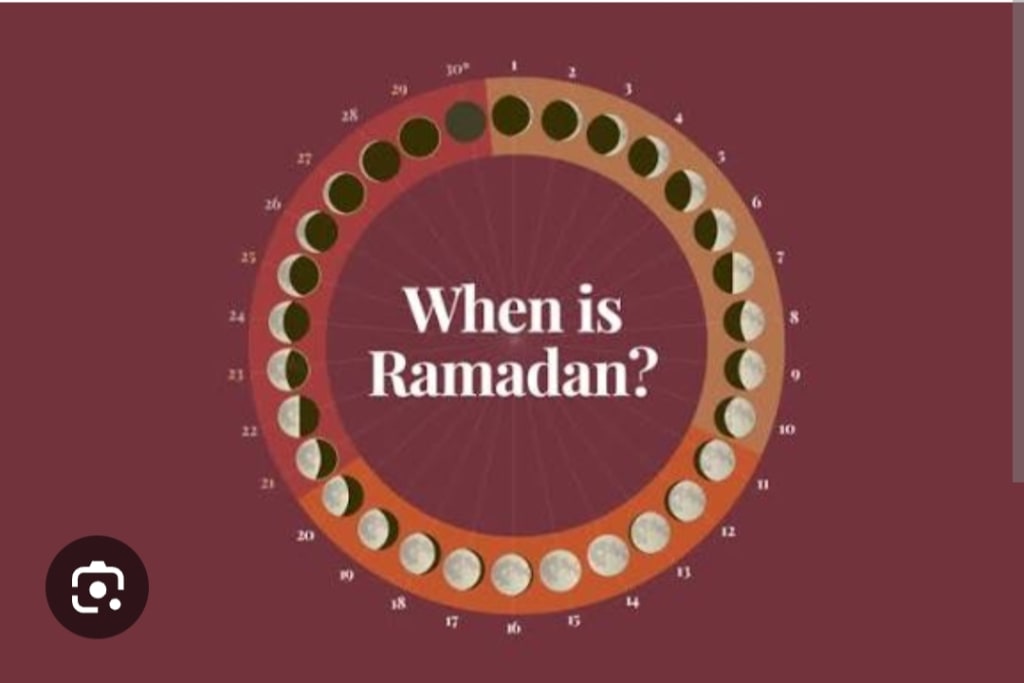
Every year, over a billion Muslims around the world await a question that blends faith, astronomy, and anticipation: When will Ramadan begin? Unlike holidays fixed to the Gregorian calendar, Ramadan follows the Islamic lunar calendar, making its arrival shift earlier each year. In 2026, this sacred month once again invites reflection, discipline, and unity—guided by the sighting of the moon.
When Is Ramadan 2026?
Ramadan is the ninth month of the Islamic lunar calendar. Because the lunar year is about 10 to 11 days shorter than the solar year, Ramadan moves backward annually in the Gregorian calendar.
In 2026, Ramadan is expected to begin at sunset on Tuesday, February 17, 2026, with the first full day of fasting on Wednesday, February 18, 2026. However, this date may vary by a day depending on the official sighting of the new moon in different regions.
The month will likely conclude around March 18 or 19, 2026, followed by the joyous celebration of Eid al-Fitr, which marks the end of fasting.
But why is there uncertainty in the date? The answer lies in how the Islamic calendar works—and how the moon is sighted.
The Lunar Calendar: A Sacred Timekeeper
Islam follows the Hijri calendar, a purely lunar system consisting of 12 months. Each month begins with the sighting of the hilal—the thin crescent moon that appears shortly after the new moon phase.
Ramadan begins when the crescent marking the start of the ninth month is sighted. If the moon is not visible due to weather conditions or astronomical positioning, the previous month, Sha’ban, completes 30 days before Ramadan officially begins.
This lunar dependence explains why Muslims across different countries sometimes begin fasting on different days. While unity is cherished, regional moon sightings can produce slight variations.
How Is the Moon Sighted?
Moon sighting is both a spiritual tradition and a scientific observation. The process has evolved over centuries but remains deeply symbolic.
1. Traditional Visual Sighting
Historically—and still in many countries—trusted observers physically look toward the western horizon just after sunset on the 29th day of Sha’ban. If the crescent moon is seen, Ramadan begins that evening.
This practice traces back to the time of the Prophet Muhammad, who instructed followers to begin fasting upon sighting the moon and to complete 30 days if it is not seen.
In countries like Saudi Arabia, official moon-sighting committees gather testimonies from observers across the nation before announcing the start of Ramadan.
2. Astronomical Calculations
With advancements in astronomy, many scholars now rely on precise lunar calculations to determine the moon’s birth and visibility. Astronomers can predict the exact moment of the new moon (conjunction) and assess whether it will be visible in a particular region.
Countries such as Turkey often use astronomical calculations to pre-determine the beginning of Ramadan, allowing communities to prepare in advance.
3. A Blended Approach
In many parts of the world—including United States and United Kingdom—Islamic councils may use a combination of astronomical data and verified local sightings. Some organizations follow global sightings, while others prioritize regional visibility.
The result? A beautiful diversity of practice within a shared spiritual purpose.
Why Does Moon Sighting Matter?
The act of moon sighting is more than a technicality. It connects modern Muslims to centuries of tradition. It reminds communities to pause, look up at the sky, and witness a natural sign marking sacred time.
There is something profoundly humbling about waiting for a slender crescent to appear—an acknowledgment that spiritual life is synchronized with the rhythms of the universe.
In an age dominated by digital clocks and instant notifications, Ramadan still begins with a human gaze toward the horizon.
The Spiritual Significance of Ramadan
Ramadan commemorates the month in which the Quran was first revealed to the Prophet Muhammad. During these 29 or 30 days, Muslims fast from dawn until sunset—abstaining from food, drink, and other physical needs.
But fasting is only one dimension. Ramadan is about:
Deepening one’s relationship with God
Practicing self-discipline
Increasing charity and compassion
Strengthening community bonds
Reflecting on gratitude and humility
Nightly prayers known as Taraweeh fill mosques with recitations of the Quran. Pre-dawn meals (suhoor) and sunset meals (iftar) become daily rituals of family and fellowship.
As Ramadan 2026 falls in late winter for much of the Northern Hemisphere, fasting hours will be shorter compared to summer months—a welcome relief for many observers.
Global Unity, Local Traditions
Despite minor differences in start dates, Ramadan remains one of the most globally synchronized religious observances in the world.
From Jakarta to Johannesburg, from Cairo to Chicago, Muslims structure their days around fasting, prayer, and reflection. Social media now broadcasts moon sightings within minutes, creating an almost real-time global announcement.
And yet, in many communities, people still gather outdoors with binoculars, scanning the twilight sky for that first glimmer of silver light.
What Happens If the Moon Isn’t Seen?
If clouds obscure the sky or the crescent sets too quickly after sunset, the current month completes 30 days automatically. This built-in simplicity ensures that the calendar remains practical even without technology.
The Islamic lunar month can never exceed 30 days—an elegant balance between observation and certainty.
Preparing for Ramadan 2026
With Ramadan expected around mid-February 2026, preparation often begins weeks in advance. Many Muslims:
Gradually adjust sleep schedules
Increase voluntary fasting in Sha’ban
Plan charitable giving
Set spiritual goals for Quran reading
Organize community iftars
Knowing the approximate date allows individuals and families to align work schedules, school plans, and travel accordingly—while still honoring the final confirmation through moon sighting.
The Beauty of Anticipation
Perhaps one of Ramadan’s most meaningful aspects is its arrival announcement. The collective waiting. The hopeful glances skyward. The official declaration that echoes through mosques and news outlets alike.
“When the moon is sighted, we begin.”
In 2026, as the crescent moon appears against the fading winter sky, it will once again signal a month of mercy, reflection, and renewal.
Whether confirmed by telescope, calculation, or the naked eye, the message remains the same: a sacred season has begun.
About the Creator
Saad
I’m Saad. I’m a passionate writer who loves exploring trending news topics, sharing insights, and keeping readers updated on what’s happening around the world.
How Technology Helps Singles Identify Red Flags Early In Relationships
There has been ease of access of information about prospective partners due to technology. Background checks, social media profiles, and public records will assist in checking the most basic information, including employment history, social behavior, or relationship status on the internet. This access also assists in identifying inconsistencies at an early stage minimizing the chances of deception or misrepresentation. As an example, inconsistency between the information provided in dating profiles and the social media activity can indicate some red flags. Through these digital footprints, singles are able to make better decisions prior to committing their feelings and emotions to make sure they are dating people who are sincere and transparent with them.
By Grace Smith6 days ago in Filthy
Lifestyle Choices That Make Singles More Attractive To Long-Term Partners
The physical health of exercise, proper nutrition, and sleep is one of the greatest contributors to long-term attraction. Wellness-conscience singles have discipline, self-respect and vitality which are attractive qualities to their prospective partners. A good lifestyle does not only improve the physical appearance, but the energy levels as well as confidence and mood. Self-cared people show that they care about themselves and this is an indication that they can maintain a healthy and balanced relationship. Life-long partners are likely to find an individual who can add value to both emotional and physical to the life they are going to share together.
By Grace Smitha day ago in Filthy


Comments
There are no comments for this story
Be the first to respond and start the conversation.