
Chocolate Market: Craft Chocolate Trends, Flavor Diversification & Outlook
The market is witnessing increased traction for craft and single-origin chocolates as consumers seek differentiated taste experiences. Innovations in fillings, inclusions, and reduced-sugar variants, combined with expanding retail and e-commerce channels, are enhancing overall market potential.

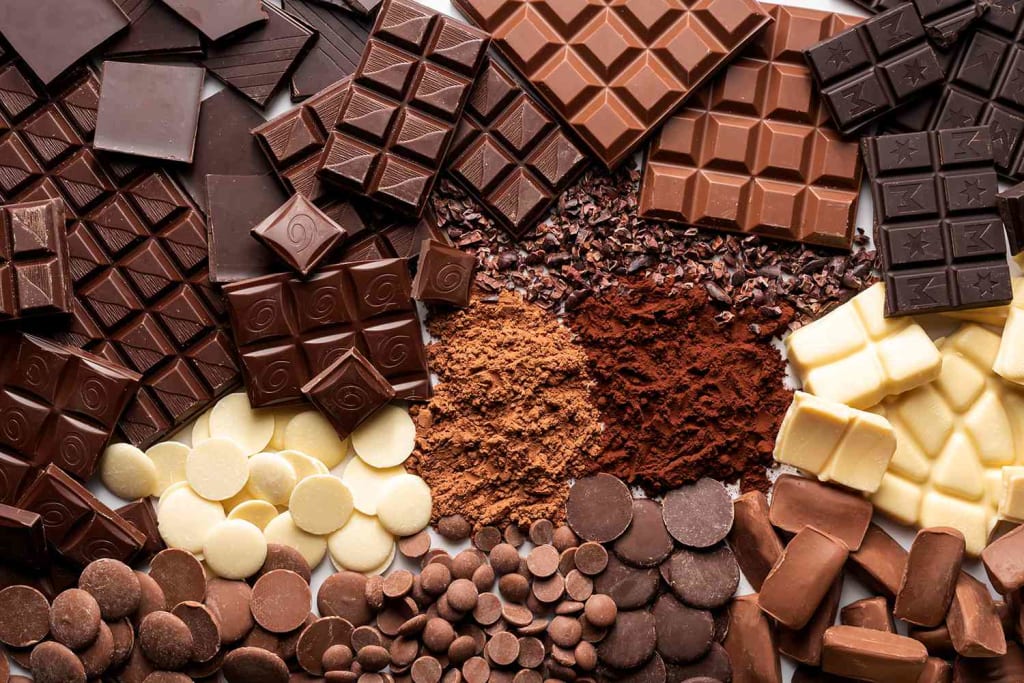
According to IMARC Group's latest research publication, The global chocolate market size was valued at USD 167.0 Billion in 2025. Looking forward, IMARC Group estimates the market to reach USD 219.9 Billion by 2034, exhibiting a CAGR of 2.8% during 2026-2034
How AI is Reshaping the Future of Chocolate Market
- AI platforms, such as NotCo's partnering with Barry Callebaut, speed up innovation by reducing the time to develop a product from years toward weeks. Companies made ingredient databases and reformulated chocolate recipes. They replaced cocoa with alternative ingredients. They upheld quality during the cocoa crisis.
- Imaging systems using artificial intelligence are able to monitor chocolate consistency, color and packaging defects in real time. For instance, automated systems have shown to be 300% faster than manual inspection at detecting defects or variations in quality in every batch.
- Machine learning algorithms provide data on weather, land, and crop conditions to increase cocoa farmers' yields. Luker Chocolate's research center utilizes artificial intelligence to maximize plantation productivity and reduce the environmental impact of cocoa production in Colombia.
- : Predictive analytics processes consumption trends and market data to determine optimal inventory levels. IoT sensors and AI analytics keep cocoa, sugar and milk inventory levels optimal to prevent waste by anticipating consumer demand and production requirements.
- : AI-driven consumer behavior monitoring and marketing automation can be applied for targeted campaigns. Hershey's algorithm to combine in-market sales data with media algorithms resulted in a 90% increase in sales for underperforming markets.
Chocolate Industry Overview:
The chocolate industry is experiencing dynamic transformation powered by premiumization and sustainability initiatives. North America leads with 48.4% market share, driven by consumer preference for artisanal and ethically sourced products. Milk chocolate commands 39.6% of product type segmentation due to its versatile applications, while countlines capture 47.8% of product forms through convenient on-the-go consumption. Record industry sales reached $21.4 billion in the United States, with 94% of consumers purchasing chocolate for personal enjoyment. Major manufacturers invested heavily in technological upgrades—Nestlé committed AUD $30 million to enhance AI capabilities at its KitKat factory in Victoria, while Barry Callebaut partnered with NotCo to leverage AI for next-generation chocolate formulations.
Request a Free Sample Report on the Cleanroom Consumables Market
Chocolate Market Trends & Drivers
- Flavor innovation and ingredient diversification are reshaping consumer choices across global markets. Industry research reveals 60% of Indian consumers tried chocolates recently, with significant interest in exotic flavors beyond traditional options. Manufacturers now infuse chocolates with spices, herbs, flowers, and savory elements like bacon or cheese, creating distinctive taste experiences. Premium launches like Haldiram's Cocobay brand offering 100% original cocoa with unique fruit and spice flavors demonstrate this trend. Inclusions of fruits, seeds, and nuts add nutritional value and texture, appealing to health-conscious buyers. GODIVA's Belgian Heritage Collection launched in the United States features 12 distinctive candies using cherished Brussels recipes, targeting luxury consumers.
- Health consciousness and functional ingredients drive substantial market evolution. An Accenture survey showed 80% of respondents plan to maintain or increase health spending despite financial pressures, directly benefiting better-for-you chocolate products. Plant-based chocolate sales are expected to increase fivefold by 2030 according to Bloomberg Intelligence, with 8.5% of Generation Z and 9.5% of Millennials identifying as vegan or vegetarian. Dark chocolate consumption surges due to perceived antioxidant benefits, while manufacturers incorporate superfoods, probiotics, and plant-based alternatives into formulations. Fazer launched world-first chocolate using Solein protein "out of thin air" in Singapore, offering high iron and fiber content for health-conscious consumers.
- Digital transformation and e-commerce expansion revolutionize distribution and market accessibility. Supermarkets and hypermarkets maintain 36.4% distribution share, offering extensive product variety from mass-market to premium selections. Aldi partnered with Tony's Open Chain to launch affordable ethical chocolate blocks, becoming Australia's first supermarket joining the mission to end cocoa industry exploitation. Online retail channels experienced explosive growth as brands invested in influencer partnerships and AI-powered personalization tools. Subscription models provide convenient automatic refills, building customer loyalty and ensuring consistent consumption. Major infrastructure projects under development—including NEOM, Qiddiya, and Red Sea destinations—generate institutional demand for hotels, cafeterias, and event catering.
Leading Companies Operating in the Global Chocolate Industry:
- Arcor
- Barry Callebaut
- Chocoladefabriken Lindt & Sprüngli AG
- Chocolaterie Guylian
- Ferrero International
- Mars Incorporated
- Meiji Co. Ltd.
- Mondelez International Inc. (Kraft Foods)
- Moonstruck Chocolate Company
- Nestlé S.A.
- The Hershey Company
Chocolate Market Report Segmentation:
By Product Type:
- White Chocolate
- Milk Chocolate
- Dark Chocolate
- Others
Milk chocolate represents the largest segment, holding 39.6% market share due to its smooth texture, sweet flavor, and versatility in products ranging from bars and candies to desserts and beverages.
By Product Form:
- Molded
- Countlines
- Others
Countlines lead with 47.8% market share due to convenience and affordability. These individually wrapped bars cater to on-the-go consumption, offering versatile combinations of chocolate, nougat, caramel, and nuts.
By Application:
- Food Products
- Bakery Products
- Sugar Confectionery
- Desserts
- Others
- Beverages
- Others
Food products dominate with 63.7% market share, encompassing chocolate bars, candies, spreads, and baked items that meet diverse consumer preferences across multiple consumption occasions.
By Pricing:
- Everyday Chocolate
- Premium Chocolate
- Seasonal Chocolate
Everyday chocolate leads with 52.5% market share, combining affordability with quality. Available in various formats including bars, bites, and pouches, these products drive consistent demand through extensive retail distribution.
By Distribution Channel:
- Direct Sales (B2B)
- Supermarkets and Hypermarkets
- Convenience Stores
- Online Stores
- Others
Supermarkets and hypermarkets command 36.4% distribution share, providing extensive shelf space for brands ranging from mass-market favorites to premium selections with competitive pricing and promotional offerings.
Regional Insights:
- North America (United States, Canada)
- Europe (Germany, France, United Kingdom, Italy, Spain, Russia, Others)
- Asia Pacific (China, Japan, India, South Korea, Australia, Indonesia, Others)
- Latin America (Brazil, Mexico, Others)
- Middle East and Africa
North America dominates with 48.4% market share, led by premium, artisanal, and ethically sourced product preferences. The United States accounts for 81.4% of North American consumption, with health-conscious consumers driving dark chocolate demand.
Recent News and Developments in Chocolate Market
- Nestl began a staggered release of their new range of KitKat slabs in September 2025, following an engaging multi-sensory experience (MSE), with an experience in Muldersdrift, South Africa for consumers to try the new flavors. KitKat slabs include Hazelnut, Double Chocolate, and Salted Caramel as flavors and have begun to distribute among major retailers across the country.
- Ferrero Rocher chocolate squares came to the United States in September 2025. They are a version of the original Ferrero Rocher chocolate praline with flavors including Milk, Dark, White, and Caramel Hazelnut.
- In September 2025, a new product from Cadbury Dairy Milk was launched in the country, Milkinis, a new chocolate bar with a milk crème center, to continue meeting changes in consumer demand for snacking on-the-go.
- The Galaxy Flutes range was launched in India in July 2025 at an introductory price of Rs 10, competing with Cadbury Perk, Nestle Munch (now Munch Crunch), KitKat and Milkybar.
- One Brands partnered with Hershey's in June 2025 to create the One x Hershey's Double Chocolate protein bar, which contains 18g of protein and 1g of sugar with Hershey's cocoa powder and Hershey's chocolate chips, effectively making a protein version of a Hershey's chocolate bar.
Note: If you require specific details, data, or insights that are not currently included in the scope of this report, we are happy to accommodate your request. As part of our customization service, we will gather and provide the additional information you need, tailored to your specific requirements. Please let us know your exact needs, and we will ensure the report is updated accordingly to meet your expectations.
About the Creator
James Whitman
With years of experience in analyzing global industries, I specialize in delivering actionable market insights that help businesses stay ahead in an ever-changing landscape.
Keep reading
More stories from James Whitman and writers in Futurism and other communities.
Enterprise Asset Management Market: Smart Automation, Digital Platforms & Expansion Outlook
According to IMARC Group's latest research publication, The global enterprise asset management market size reached USD 6.3 Billion in 2024. Looking forward, IMARC Group expects the market to reach USD 15.0 Billion by 2033, exhibiting a growth rate (CAGR) of 9.55% during 2025-2033.
By James Whitman2 months ago in Futurism
Saudi Arabia Soft Facility Management Market: Integrated Services, Commercial Expansion & Growth Outlook
Saudi Arabia's soft facility management sector is experiencing one of the most dramatic growth phases in the region. The country's ambitious diversification push, monumental infrastructure investments, and a fundamental restructuring of its service economy are creating a perfect storm of opportunity for cleaning, security, catering, and landscaping providers. According to IMARC Group's latest data, the Saudi Arabia soft facility management market size reached USD 354.12 Million in 2024. Looking forward, IMARC Group expects the market to reach USD 821.44 Million by 2033, exhibiting a growth rate (CAGR) of 9.10% during 2025-2033.
By Shubham Sharma 5 days ago in Futurism
Australia Insurtech Market: Digital Innovation, Customer Experience & Regulatory Adoption
According to IMARC Group, the Australia insurtech market reached USD 376.7 Million in 2025 and is projected to surge to USD 4,186.9 Million by 2034, exhibiting a remarkable compound annual growth rate (CAGR) of 30.68% during 2026–2034. This exponential growth underscores the accelerating digital transformation of the insurance sector across Australia. Insurtech—where technology-driven startups and digital platforms modernize underwriting, claims processing and customer engagement—is reshaping how insurers operate and interact with policyholders. As customer expectations evolve toward faster, more transparent and personalized services, insurtech firms are becoming critical drivers of innovation within Australia’s financial services ecosystem.
By Kevin Cooper6 days ago in Futurism
Magic
Note from the Author: I want to let you know that this is an unusual story, and it has been written purely from whatever is in my unconscious mind, because before I start writing, I get into a flow state that reaches my unconsciousness. I also write in my subconscious mind, which is like a mid-flow state between the conscious and unconscious mind.
By Denise Larkinabout 5 hours ago in Fiction



Comments
There are no comments for this story
Be the first to respond and start the conversation.