
Commercial Aircraft Windshields and Windows Market Outlook: Aviation Safety Enhancements and Growth Opportunities
The commercial aircraft windshields and windows market is experiencing steady growth, driven by rising aircraft production, fleet modernization programs, and increasing air passenger traffic worldwide.

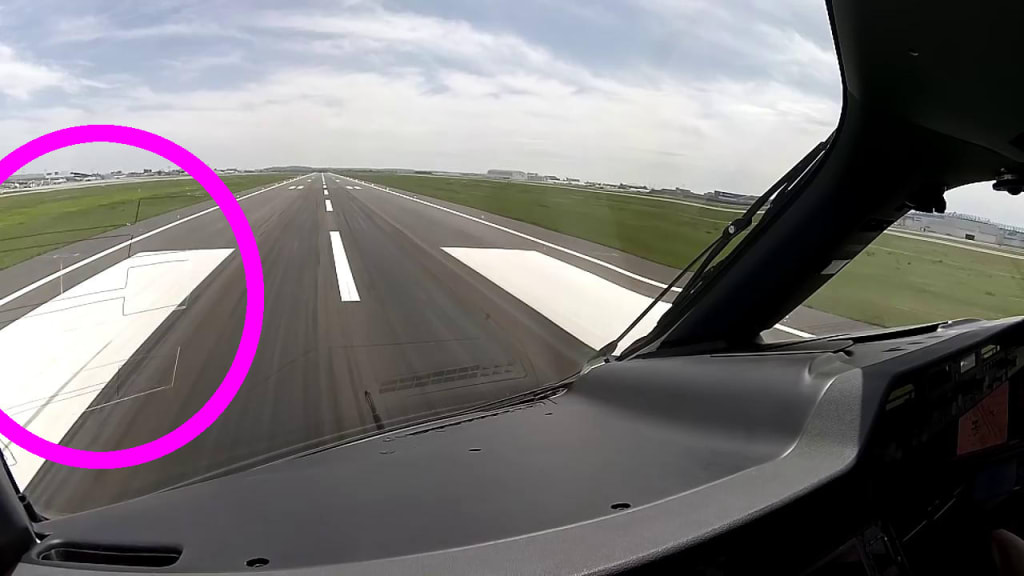
According to IMARC Group's latest research publication, The global commercial aircraft windshields and windows market size reached USD 765.0 Million in 2024. Looking forward, IMARC Group expects the market to reach USD 975.1 Million by 2033, exhibiting a growth rate (CAGR) of 2.6% during 2025-2033.
How AI is Reshaping the Future of Commercial Aircraft Windshields and Windows Market
- AI-Enhanced Structural Monitoring and Safety: AI systems are being integrated into aircraft windshield and window technologies to continuously monitor stress, vibration, and micro-fractures in real time. Machine learning algorithms analyze sensor data to detect early signs of fatigue or impact damage before it becomes critical. This predictive maintenance approach enhances flight safety and reduces unscheduled inspections, helping airlines improve aircraft availability and lower lifecycle maintenance costs.
- Intelligent Optical Coatings and Adaptive Transparency: AI is guiding the development of “smart” windshield and window materials that dynamically adjust tint, glare reduction, and clarity based on lighting conditions. By analyzing external light levels, weather, and flight phase data, AI can optimize visibility for pilots and passengers, reduce eye strain, and cut down on cockpit climate load. These adaptive systems improve comfort and safety while enabling innovative cockpit display integrations.
- Automated Manufacturing and Quality Control: Artificial intelligence is transforming how windshields and aircraft windows are produced. AI-powered vision systems inspect glass surfaces for micro-defects, curvature accuracy, and coating uniformity at speeds far beyond human capability. Machine learning tools also optimize manufacturing parameters, reducing scrap and improving yield. By ensuring consistent high quality, AI innovations help manufacturers meet stringent aerospace certification standards and support efficient, large-scale production.

Commercial Aircraft Windshields and Windows Industry Overview:
The Commercial Aircraft Windshields and Windows industry plays a critical role in ensuring aircraft safety, structural integrity, and passenger comfort. These components are typically manufactured using advanced materials such as multi-layered glass, acrylic, and polycarbonate composites designed to withstand extreme pressure, temperature variations, and bird strikes. Cockpit windshields also integrate heating systems to prevent ice formation and maintain pilot visibility during high-altitude operations.
Commercial Aircraft Windshields and Windows Market Trends & Drivers:
The surge in global air passenger traffic is creating unprecedented demand for new aircraft and transparency replacements across commercial fleets. Airbus estimates 19,500 new jets will be required for Asia-Pacific alone through 2043, representing 46% of worldwide demand, while Boeing forecasts 43,975 global deliveries. Narrowbody aircraft account for approximately 68% of projected deliveries, locking in high-volume demand for cabin windows and cockpit windshields. Airlines are prioritizing passenger experience investments, with retrofitting programs replacing decades-old windows to incorporate UV protection, noise reduction features, and improved optical clarity. Component aftermarket revenue is expanding faster than heavy maintenance checks, creating sustained replacement cycles for certified transparencies across both legacy and modern aircraft platforms.
Material innovation is revolutionizing weight reduction and durability performance in aircraft transparencies. Advanced polycarbonate grades are posting the fastest adoption gains, offering superior impact resistance while reducing weight by 8-10% compared to traditional acrylics. PPG Industries introduced polycarbonate laminate glazing with 10% greater scratch resistance, while manufacturers are developing transparent ceramics and composite laminates that withstand bird strikes at higher velocities. Gentex Corporation expanded electrochromic production capacity by 25% to meet smart window demand, with electrochromic technology capturing approximately 30% of new installations. These lighter materials directly improve fuel efficiency—every kilogram saved in window weight translates to measurable operational cost reductions over an aircraft's 25-year service life, making material upgrades economically compelling for carriers.
Regulatory mandates and safety enhancements are driving technology upgrades across cockpit windshield systems. The Federal Aviation Administration is implementing stricter bird-strike resistance standards requiring windshields to withstand impacts at higher speeds without penetration. Saint-Gobain received FAA certification for advanced bird-strike resistant cockpit windshields enabling immediate adoption on new and existing fleets. Integrated head-up display systems are becoming standard on commercial aircraft, with suppliers successfully testing windshields featuring embedded HUD projection capabilities across over 5,000 flight hours. Airlines are investing in retrofit programs with modular replacement kits allowing upgrades to dimmable technology in under 8 hours per window. These compliance-driven replacements, combined with aging fleet requirements—an estimated 18,930 aircraft need legacy jet replacements through 2044—ensure robust aftermarket demand for certified transparency components with enhanced safety features.
Leading Companies Operating in the Global Commercial Aircraft Windshields and Windows Industry:
- Aerospace Plastic Components
- Control Logistics Inc.
- Gentex Corporation
- GKN Aerospace
- Lee Aerospace
- Llamas Plastics Inc.
- LP Aero Plastics Inc.
- Plexiweiss GmbH
- PPG Industries Inc.
- Saint-Gobain SA
- Tech-Tool Plastics Inc.
- The NORDAM Group LLC
Commercial Aircraft Windshields and Windows Market Report Segmentation:
By Aircraft Type:
- Narrowbody Aircraft
- Widebody Aircraft
- Regional Aircraft
Narrowbody aircraft account for the largest segment, driven by high production volumes of single-aisle jets like Boeing 737 and Airbus A320 families serving short to medium-haul routes.
By Material:
- Polycarbonate
- Glass
- Acrylic
- Others
Acrylic represents the largest material segment due to its optimal balance of strength, lightweight properties, optical clarity, and cost-effectiveness for aviation applications.
By Application:
- Cabin Windows
- Cockpit Windshields
Cabin windows account for the largest market share, as commercial aircraft typically feature dozens of passenger windows compared to just a few cockpit windshields per aircraft.
By Distribution Channel:
- Aftermarket
- OEM
Aftermarket holds the largest share, driven by ongoing replacement cycles, maintenance requirements, and retrofit programs across the extensive global fleet of operational aircraft.
Regional Insights:
- North America (United States, Canada)
- Europe (Germany, France, United Kingdom, Italy, Spain, Russia, Others)
- Asia Pacific (China, Japan, India, South Korea, Australia, Indonesia, Others)
- Latin America (Brazil, Mexico, Others)
- Middle East and Africa
North America dominates the market, benefiting from extensive research and development activities, strong presence of aircraft manufacturers like Boeing, and widespread adoption of environmentally friendly aircraft windshields.
Recent News and Developments in Commercial Aircraft Windshields and Windows Market
- May 2025: PPG Industries announced a USD 50 million investment to expand its United States aircraft window manufacturing facility. The expansion aims to meet rising demand from North American and global customers, strengthening PPG's production capacity for next-generation lightweight acrylic and polycarbonate transparency systems for commercial aviation.
- May 2025: Gentex Corporation unveiled next-generation dimmable glass products for aerospace applications featuring larger active areas and significantly improved switching speed. The enhanced electrochromic windows offer passengers greater control over cabin lighting while maintaining superior heat insulation properties and complete privacy capabilities with button-activated instant darkening.
- March 2025: Safran announced a strategic partnership with Spirit AeroSystems to co-develop an advanced cockpit windshield system incorporating integrated anti-ice, anti-fog, and embedded sensor health monitoring capabilities. The collaboration aims to reduce windshield weight while improving on-wing replaceability and real-time structural integrity monitoring for enhanced flight safety.
- January 2025: Boeing awarded a major contract to L3Harris Technologies to supply integrated cockpit window assemblies and related systems for multiple widebody aircraft programs. This significant supply chain partnership signals Boeing's strategic approach to transparency procurement and represents a shift in cockpit glass manufacturing relationships for next-generation commercial platforms.
Note: If you require specific details, data, or insights that are not currently included in the scope of this report, we are happy to accommodate your request. As part of our customization service, we will gather and provide the additional information you need, tailored to your specific requirements. Please let us know your exact needs, and we will ensure the report is updated accordingly to meet your expectations.
About the Creator
James Whitman
With years of experience in analyzing global industries, I specialize in delivering actionable market insights that help businesses stay ahead in an ever-changing landscape.
Keep reading
More stories from James Whitman and writers in Futurism and other communities.
Geochemical Services Market Outlook: Resource Exploration Expansion and Analytical Innovation Opportunities
According to IMARC Group's latest research publication, The global geochemical services market size reached USD 1.30 Billion in 2024. Looking forward, IMARC Group expects the market to reach USD 2.20 Billion by 2033, exhibiting a growth rate (CAGR) of 5.56% during 2025-2033.
By James Whitmanabout 8 hours ago in Futurism
Saudi Arabia Superconducting Magnetic Energy Storage Market: Grid Stability, Renewable Integration & Growth Outlook
Saudi Arabia’s energy landscape is shifting fast. As the Kingdom scales up solar and wind capacity under Vision 2030, the need for fast-responding, reliable energy storage has never been more urgent. Superconducting Magnetic Energy Storage (SMES) is emerging as a strong contender — valued for its near-instant response times and long operational life. According to IMARC Group’s latest data, the The Saudi Arabia superconducting magnetic energy storage market size reached USD 621.3 Million in 2025. Looking forward, IMARC Group expects the market to reach USD 1260.8 Million by 2034, exhibiting a growth rate (CAGR) of 8.18% during 2026-2034.
By Shubham Sharma 8 days ago in Futurism
Australia Toaster Market: Household Demand, Design Innovation & Retail Channels
According to IMARC Group, the Australia toaster market reached USD 89.6 Million in 2025 and is projected to expand to USD 126.9 Million by 2034, exhibiting a compound annual growth rate (CAGR) of 3.94% during 2026–2034. This steady growth reflects evolving household consumption habits and the continued relevance of small kitchen appliances across Australia. Once viewed as a basic countertop device, the toaster has evolved into a design-led, feature-rich appliance aligned with modern kitchen aesthetics and lifestyle efficiency. As urban households prioritize convenience and energy efficiency, toaster manufacturers are integrating advanced controls, premium finishes and smart functionalities to meet consumer expectations.
By Kevin Cooper6 days ago in Futurism



Comments
There are no comments for this story
Be the first to respond and start the conversation.