
Entertainment and Streaming Trends in Mobile App Development Los Angeles
When Streaming Became Less About Watching Content and More About Participating in It

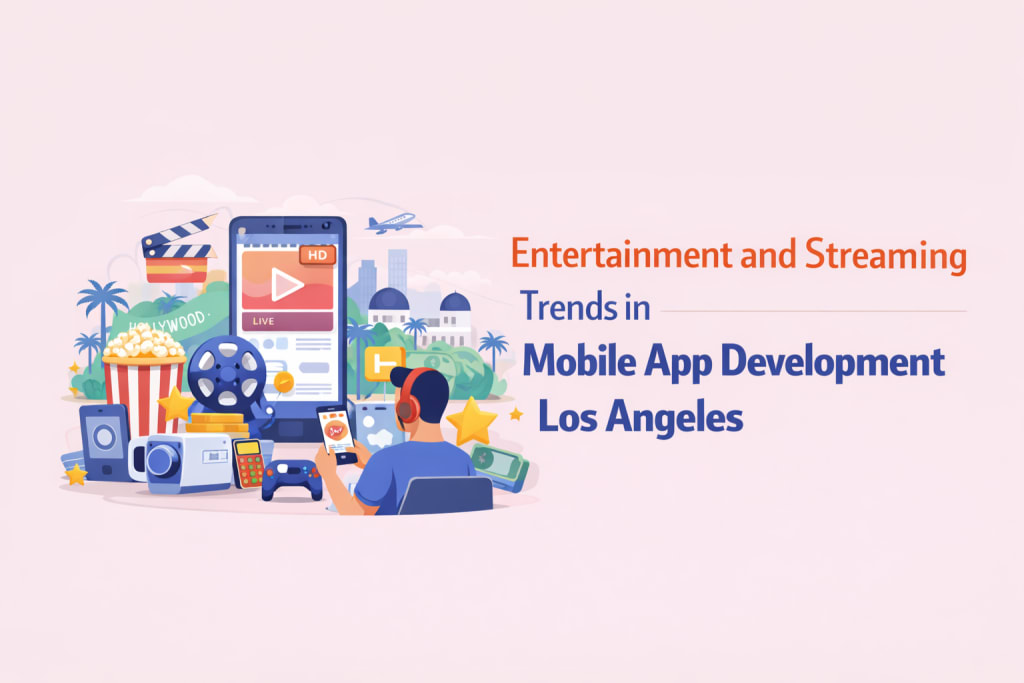
There was a time when streaming meant pressing play and watching quietly. That era is fading. Today, audiences expect interaction, personalization, and real-time engagement layered into entertainment experiences. The shift has transformed mobile apps from passive viewing platforms into digital stages where users comment, create, react, and influence outcomes as events unfold.
Los Angeles, long defined by its film and media heritage, has become a testing ground for these new forms of digital entertainment. The city’s blend of storytelling traditions and emerging technology has shaped how streaming apps evolve — and why development approaches there often look different from other regions.
Understanding entertainment-driven app trends requires examining cultural expectations alongside technological progress.
The Evolution From Streaming Platforms to Interactive Ecosystems
Streaming platforms once competed primarily on content libraries. In 2026, competition revolves around engagement. Companies now measure success through retention, session duration, and community participation rather than subscriber numbers alone.
Recent industry research shows that users who interact with features such as live chats, polls, or social sharing spend up to 30% more time inside entertainment apps compared with passive viewers. Engagement metrics influence advertising revenue, subscription stability, and long-term brand loyalty.
Los Angeles companies, influenced by entertainment production models, often treat apps as evolving experiences rather than static products. Development cycles include ongoing experimentation with new formats:
- Live-stream overlays.
- Interactive storytelling branches.
- Creator-driven content hubs.
- Real-time audience participation tools.
These features require complex backend systems capable of handling simultaneous user actions while maintaining low latency.
Why Entertainment Culture Shapes Technical Decisions
In many cities, mobile apps focus primarily on functionality. In Los Angeles, narrative and presentation often hold equal weight.
Developers collaborate with producers, designers, and creative directors who approach apps similarly to film or television projects. This perspective changes development priorities:
- Visual identity receives early investment.
- Motion design becomes central to user experience.
- Emotional storytelling influences interface design.
Research from Deloitte’s digital media studies suggests that younger audiences increasingly expect immersive storytelling across platforms. Mobile devices serve as both viewing tools and interactive gateways.
As a result, apps emerging from Los Angeles frequently aim to blur boundaries between media formats.
The Rise of Creator-Centric Platforms and Direct Audience Relationships
Creator economies have reshaped entertainment distribution. Platforms enabling independent artists to connect directly with audiences have grown rapidly, fueled by social media culture.
Statista estimates that global creator economy revenues surpassed hundreds of billions of dollars by mid-decade, with mobile apps acting as primary access points.
This shift drives new development priorities:
- Monetization tools such as tipping and subscriptions.
- Analytics dashboards for creators.
- Content moderation systems ensuring safe interactions.
Entertainment apps must support both viewers and creators simultaneously, increasing technical demands.
The growth of short-form video and live streaming has also changed expectations around speed. Users now anticipate near-instant content delivery, pushing teams to build scalable infrastructure capable of handling spikes in traffic.
Artificial Intelligence and Personalized Entertainment Experiences
Artificial intelligence plays a central role in shaping modern streaming apps. Recommendation engines determine which content surfaces first, influencing viewing habits.
Research from McKinsey suggests that personalization features can increase engagement rates by more than 20%. For streaming platforms, this translates directly into revenue potential.
AI-driven capabilities extend beyond recommendations:
- Automated captioning and translation.
- Content tagging for faster discovery.
- Real-time moderation detecting harmful behavior.
These features require significant data processing, increasing both technical scope and development timelines.
Los Angeles teams often integrate AI within storytelling frameworks, experimenting with interactive narratives where user decisions alter content flow.
Social Viewing and the Return of Shared Experiences
Streaming initially created isolated viewing habits. Recent trends signal a return to communal experiences.
Apps now include:
- Watch parties allowing synchronized viewing.
- Real-time chat rooms.
- Shared playlists and collaborative content discovery.
Research from PwC indicates that younger audiences value shared digital experiences as much as individual consumption. Social interaction increases emotional investment, encouraging repeat usage.
Designing these features introduces additional complexity. Developers must handle synchronization across devices while ensuring performance stability.
Monetization Models Are Expanding Beyond Subscriptions
Traditional subscription models remain important, yet entertainment apps increasingly diversify revenue streams.
Common approaches include:
- Microtransactions tied to exclusive content.
- Virtual goods and digital collectibles.
- Ad-supported free tiers using targeted advertising.
Hybrid models allow platforms to reach broader audiences while maintaining premium experiences for paying users.
Los Angeles companies often experiment with monetization strategies influenced by gaming and influencer culture. This cross-industry inspiration reflects the city’s diverse creative ecosystem.
Technical Infrastructure and the Demand for Scalability
Entertainment apps face unpredictable traffic patterns. A viral event or celebrity collaboration can attract millions of users within minutes.
Infrastructure must support rapid scaling without compromising performance. Cloud computing platforms provide flexibility, yet they also introduce ongoing operational costs.
Engineers design systems capable of handling:
- High-definition video streaming.
- Real-time interactions.
- Global content delivery.
These requirements influence development budgets and long-term planning.
Cultural Influence and Global Reach
Los Angeles entertainment projects rarely target local audiences alone. Many aim for international reach from launch.
Global ambitions introduce additional challenges:
- Multilingual support.
- Regional licensing agreements.
- Compliance with international data regulations.
- Each factor adds layers to development workflows.
Discussions around mobile app development Los Angeles often highlight technical innovation, yet cultural ambition plays an equally important role. The desire to create globally relevant experiences drives many design and engineering decisions.
Emerging Trends Shaping the Future of Entertainment Apps
Several trends are likely to influence development over the next few years:
Interactive Live Events
Live performances enhanced with digital participation features continue gaining traction.
Mixed Reality Experiences
Augmented reality overlays allow users to interact with entertainment content in new ways.
Data-Driven Content Creation
Analytics tools help creators tailor content based on audience behavior patterns.
Cross-Platform Storytelling
Narratives extend across mobile apps, social media, and streaming platforms, requiring integrated technical systems.
Each trend reflects a broader shift: entertainment apps now function as evolving ecosystems rather than single-purpose tools.
A Final Reflection: Entertainment as Technology’s Creative Frontier
Entertainment has always adapted to new mediums, from radio to television to streaming. Mobile apps represent the next stage, where audiences become participants rather than observers.
Los Angeles sits at the center of this shift because of its unique blend of creative culture and technological ambition. Developers working within this environment face higher expectations — and greater opportunities to shape how stories are experienced.
The future of streaming may not belong to platforms offering the largest content libraries but to those capable of blending narrative, interaction, and community into seamless digital experiences.
As entertainment continues merging with technology, the question shifts from “What can users watch?” to “How can users become part of the story?”
About the Creator
Keep reading
More stories from Samantha Blake and writers in Futurism and other communities.
From Concept to Code: A Seattle Founder’s Guide to Building Apps
The rain was coming down in sheets against the window of a coffee shop in Capitol Hill—standard operating procedure for a Tuesday in November. I sat across from a founder who had just burned through $50,000 on an app that didn't work.
By Samantha Blake7 days ago in Futurism
Egypt Courier, Express, and Parcel (Cep) Market Analysis: Industry Overview, Key Players & Growth Outlook
According to IMARC Group's latest research publication, the Egypt courier, express, and parcel (CEP) market size reached USD 1,694.1 Million in 2025. The market is projected to reach USD 2,837.4 Million by 2034, exhibiting a growth rate (CAGR) of 5.60% during 2026-2034.
By Abhay Rajput6 days ago in Futurism
Wireless Audio Devices Market: Smart Headphones, Noise Cancellation & Market Forecast
According to IMARC Group's latest research publication, the global wireless audio devices market size reached USD 60.9 Billion in 2024. Looking forward, IMARC Group expects the market to reach USD 204.8 Billion by 2033, exhibiting a growth rate (CAGR) of 14.4% during 2025-2033.
By sujeet. imarcgroupabout 7 hours ago in Futurism



Comments
There are no comments for this story
Be the first to respond and start the conversation.