
From SCI-FI to REALITY
The Evolution of Virtual Reality(VR)
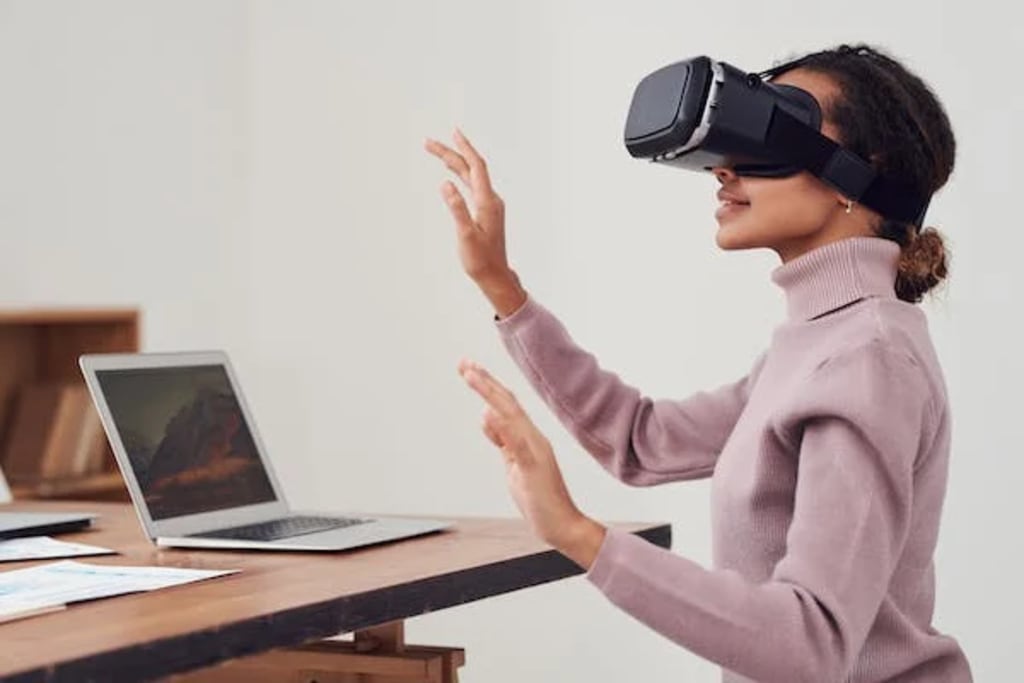
Virtual Reality (VR) technology has been the subject of science fiction stories for decades. Depicted in movies like "The Lawnmower Man" and "The Matrix," virtual reality was a fantasy that seemed too good to be true. However, recent technological advancements have made VR technology increasingly accessible to the public, making it a reality that is being embraced by people around the world.
The concept of virtual reality was first introduced in the 1960s. However, it was not until the 1980s that the technology became more widely available. The earliest VR systems were clunky, expensive, and required massive amounts of processing power, but they were still a significant step forward for the technology. Over time, VR technology continued to evolve, and new hardware and software advancements were made that allowed for increasingly immersive experiences.
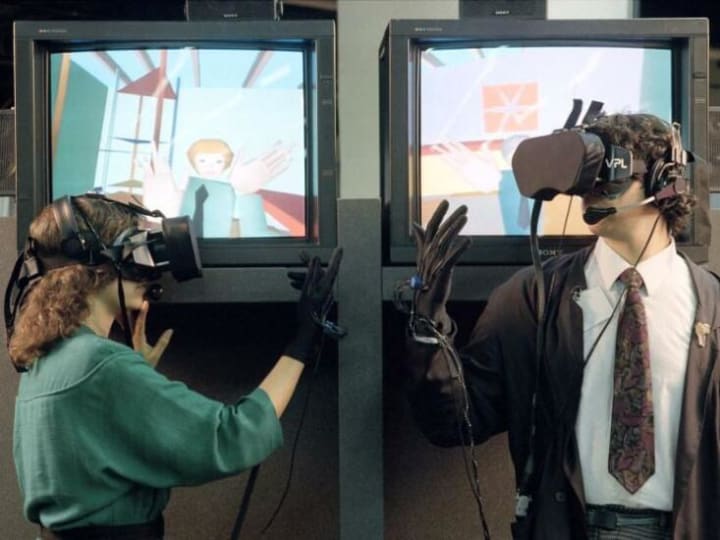
Today's virtual reality technology is vastly different from its early iterations. Consumers can now purchase VR headsets that offer stunning graphics and realistic sound. These headsets provide users with an immersive experience that is unparalleled, allowing them to enter virtual worlds and interact with the environment in ways that were once impossible.
The evolution of VR technology has been driven by advancements in computer hardware and software. Early VR systems were limited by the computing power of the time. The hardware was slow and could not keep up with the demands of running a virtual reality environment. However, as computer technology has progressed, so has VR. Modern computers are more powerful than ever before, making it possible to create VR experiences that are both immersive and responsive.
Another significant factor in the evolution of VR has been the development of new software. Game engines like Unity and Unreal have made it easier for developers to create immersive environments. These engines provide the tools needed to create realistic graphics, physics simulations, and more. As a result, the quality of VR experiences has improved dramatically in recent years.
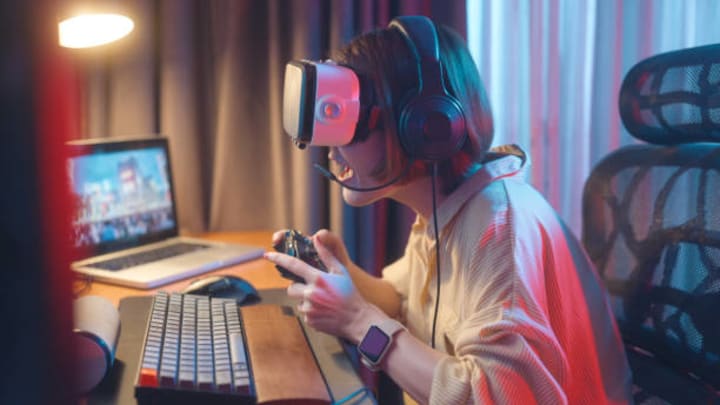
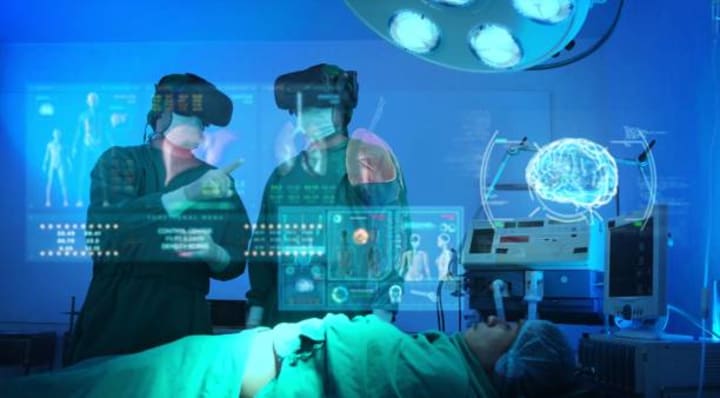
The growth of VR technology has not been limited to the entertainment industry. The technology is now being used in various fields, including healthcare, education, and architecture. In healthcare, VR is used for surgical simulations, therapy, and pain management. For example, VR can be used to simulate surgeries, allowing medical students to practice complex procedures before performing them on real patients. VR is also being used in therapy to treat conditions like anxiety and PTSD. The immersive nature of VR allows patients to confront and overcome their fears in a controlled environment.
In education, virtual reality is being used to create immersive learning experiences. Students can enter virtual environments and interact with objects and other students. This allows for a more engaging and interactive learning experience, making it easier for students to retain information. For example, students can take virtual field trips to historical sites, allowing them to experience history in a more engaging way.
VR is also being used in architecture and design. Architects can use VR to create immersive representations of their designs, allowing them to see their creations in a realistic environment. This allows for better collaboration and communication between architects and their clients, ensuring that everyone is on the same page before construction begins.
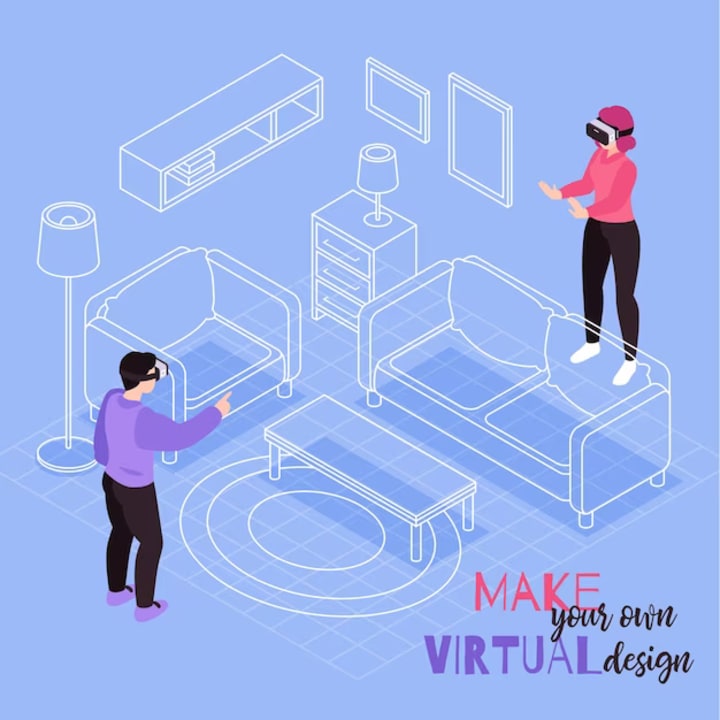
The benefits of virtual reality are vast, and as the technology continues to evolve, we can expect to see it utilized in even more fields. For example, VR can be used to train pilots, allowing them to practice flying in a realistic environment before taking to the skies. VR can also be used in sports training, allowing athletes to simulate game situations and develop their skills in a safe environment.
Despite the many benefits of VR, there are also some concerns. For example, some people worry that VR could become addictive, leading to a generation of people who are disconnected from the real world. Additionally, there are concerns about the potential for VR to be used for unethical purposes. For example, VR could be used to create hyper-realistic simulations of violent
In conclusion, virtual reality has come a long way since its conception in science fiction, and it continues to evolve at an unprecedented pace. As the technology becomes more affordable and accessible, we can expect to see VR technology increasingly utilized in various fields, with countless applications that can benefit society as a whole.
About the Creator
Shubhi Agrawal
Hey curious readers!
I write about the exciting and innovative topics trending in the tech field. Being passionate about such techy topics, you will be able to read and know about such fresh tech oriented topics here.
Happy Reading!
Keep reading
More stories from writers in Futurism and other communities.
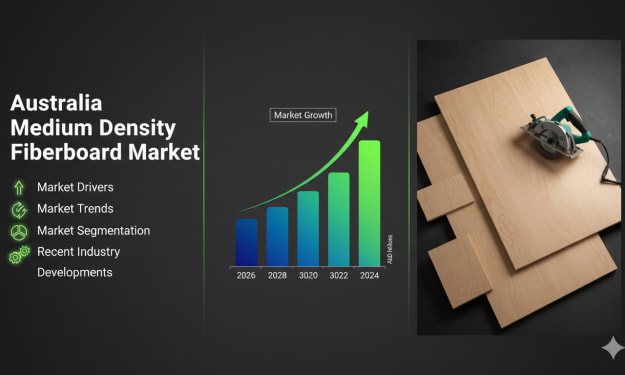
Australia Medium Density Fiberboard Market: Construction Demand, Furniture Production & Sustainability Practices
According to IMARC Group, the Australia medium density fiberboard (MDF) market reached USD 576.8 Million in 2025 and is projected to expand to USD 923.5 Million by 2034, exhibiting a compound annual growth rate (CAGR) of 5.21% during 2026–2034. This steady growth reflects increasing demand from construction, interior design and furniture manufacturing sectors across Australia. MDF, an engineered wood product made from wood fibers bonded with resins under heat and pressure, offers uniform density, smooth surfaces and cost efficiency. As urbanization accelerates and sustainability becomes central to building practices, MDF is emerging as a preferred material in residential and commercial applications.
By Kevin Cooper5 days ago in Futurism
Stanislav Kondrashov Oligarch Series: Oligarchy at the Edge of the Ringworld Era
Imagine waking up on a world that didn’t exist a century ago. The ground curves gently upward until it vanishes into the sky. The sun rises on command. The climate is calibrated. Every city, every coastline, every field was placed there by design.
By Stanislav Kondrashov6 days ago in Futurism



Comments
There are no comments for this story
Be the first to respond and start the conversation.