
Medical Swabs Market Insights: Diagnostic Accuracy Focus, Product Innovations & Industry Outlook to 2033
How infection prevention protocols, rising diagnostic testing volumes, and sterile single-use product demand are influencing innovation, procurement strategies, and competitive dynamics in the medical swabs market.

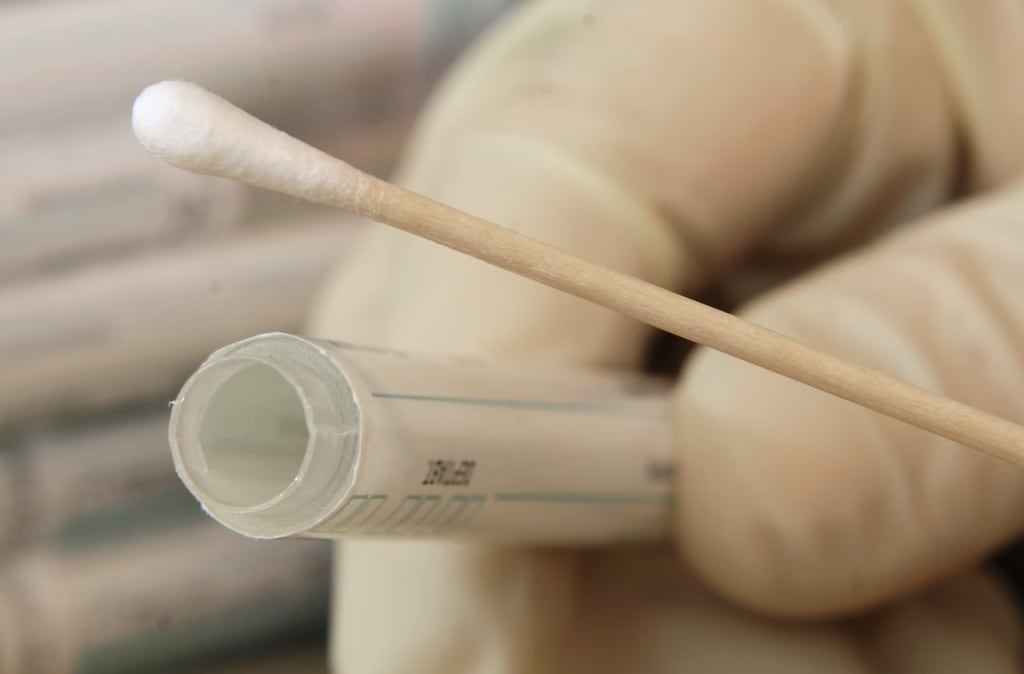
Rising demand for accurate diagnostic testing, a growing geriatric population, and the increasing prevalence of infectious diseases and chronic conditions are driving the medical swabs market. These factors are further supported by advancements in swab materials like flocked and foam tips, the expansion of healthcare infrastructure, and the rising popularity of at-home and point-of-care testing. According to IMARC Group’s latest data, the global medical swabs market size reached USD 3.3 Billion in 2024. Looking forward, IMARC Group estimates the market to reach USD 4.7 Billion by 2033, exhibiting a CAGR of 3.82% from 2025-2033.
The medical swabs industry has evolved into a vital multi-billion-dollar sector, fundamental to modern diagnostics and infection control. Beyond their traditional use in wound care, swabs are now indispensable for specimen collection in virology, genomics, and forensic science. The market is increasingly characterized by a shift toward specialized, high-performance materials such as flocked and foam-tipped swabs, which offer superior sample recovery compared to traditional cotton. With the expansion of diagnostic laboratories and a global push toward early disease detection, the demand for sterile, single-use swabs continues to rise across hospitals, clinics, and even home-care settings.
Medical Swabs Market Growth Drivers:
- Rising Prevalence of Infectious Diseases and Viral Outbreaks
The frequent emergence of respiratory infections and viral outbreaks remains a primary driver for the medical swabs industry. For instance, diagnostic testing for influenza and other pathogens requires high volumes of nasopharyngeal and oropharyngeal swabs. With global healthcare agencies emphasizing rapid screening to prevent transmission, the demand for specimen collection tools has surged. Recent data indicates that hundreds of millions of tests are conducted annually during peak infection seasons, necessitating a robust supply of sterile swabs. This ongoing need for mass-scale testing ensures that swabs remain a critical component of public health infrastructure.
Growing Geriatric Population and Chronic Disease Management
The global demographic shift toward an aging population is significantly boosting the need for medical diagnostics. Older adults are more susceptible to chronic illnesses and acute infections, often requiring regular monitoring and laboratory testing. According to United Nations projections, the population aged 65 and over is expanding rapidly, having doubled in share over the last few decades. This demographic transition triggers higher hospital admission rates and a subsequent increase in the use of medical swabs for routine screenings, wound management, and preoperative cleaning, particularly in developed regions like North America and Europe.
- Advancements in Swab Material Technology and Design
Innovation in material science is transforming the efficiency of sample collection. Traditional cotton swabs are increasingly being replaced by flocked and foam-tipped variants that utilize advanced fiber technology to improve specimen release and patient comfort. For example, flocked swabs are highly valued in microbiology for their ability to enhance the sensitivity of PCR and antigen tests by capturing and releasing more biological material. Additionally, the development of 3D-printed swabs and self-administering kits has lowered the barrier for testing, making diagnostic procedures faster and more accessible in diverse clinical and non-clinical environments.
Medical Swabs Market Trends:
- Expansion of Point-of-Care and At-Home Testing
A major shift is occurring as diagnostic testing moves out of centralized laboratories and into homes and point-of-care (POC) settings. The rising popularity of rapid antigen tests, DNA collection kits, and lifestyle-related health monitoring has created a massive retail market for medical swabs. Consumers now prefer the convenience of self-administered tests for everything from respiratory illnesses to genetic ancestry. This trend is supported by the integration of swabs with digital health platforms, where AI-enabled kits allow users to collect samples at home and receive results via mobile applications, broadening the reach of diagnostic services.
- Increased Focus on Infection Control and Sterilization Standards
Healthcare facilities are placing a heightened emphasis on preventing hospital-acquired infections (HAIs), which is driving the consumption of high-quality, single-use medical swabs. Stringent regulatory standards, such as those from the FDA and CDC, mandate the use of sterile, individually packaged swabs for procedures ranging from wound care to surgical site preparation. The move toward "single-use" protocols is a direct response to the need for better hygiene and safety. This trend is particularly evident in the growing "disinfection" segment, where pre-saturated swabs are used to sanitize medical equipment and skin surfaces before injections.
- Shift Toward Sustainable and Eco-Friendly Materials
Environmental sustainability is becoming a key priority for manufacturers and healthcare providers alike. With billions of single-use swabs discarded annually, there is growing pressure to reduce plastic waste and carbon footprints. As a result, the market is seeing a rise in biodegradable and compostable options made from materials like bamboo, wooden shafts, and recycled paper packaging. Leading industry players are investing in R&D to develop eco-friendly swabs that meet medical-grade sterility requirements while addressing the environmental concerns of modern consumers and regulatory bodies pushing for circular economy practices in healthcare.
Recent News and Developments in Medical Swabs Market
- July 2025: Spherical Insights released a report highlighting that the global medical swab market is expected to surpass USD 1 billion by 2035, driven by the surge in telemedicine and the increasing adoption of self-administered swabs in remote areas.
- August 2024: The U.S. Department of Justice (DOJ) finalized new rules under the Americans with Disabilities Act (ADA) to improve access to medical diagnostic equipment (MDE), a move expected to streamline diagnostic procedures and increase the utilization of standardized testing tools, including medical swabs, in public health clinics.
- May 2024: Quest Diagnostics reported performing nearly 9.8 million workforce drug tests, showcasing the massive scale of specimen collection required for industrial and occupational health, where specialized swabs play a crucial role in maintaining accuracy.
- April 2024: Breakthroughs in 3D-printing technology for medical-grade swabs were showcased by key manufacturers to address potential supply chain disruptions and allow for localized production during emergency health crises.
Note: If you require specific details, data, or insights that are not currently included in the scope of this report, we are happy to accommodate your request. As part of our customization service, we will gather and provide the additional information you need, tailored to your specific requirements. Please let us know your exact needs, and we will ensure the report is updated accordingly to meet your expectations.
About the Creator
Andrew Sullivan
Hello, I’m Andrew Sullivan. I have over 9+ years of experience as a market research specialist.
Keep reading
More stories from Andrew Sullivan and writers in Futurism and other communities.
Yacht Charter Market Insights: Adventure Tourism Growth, Premium Experiences & Industry Outlook to 2034
Rising wealth among high-net-worth individuals, an increasing trend toward experiential luxury travel, and significant technological advancements in vessel design are fueling the demand for yacht charters. This growth is further supported by the expansion of coastal tourism, the rising popularity of marine events, and the integration of digital booking platforms that offer seamless customer experiences. According to IMARC Group’s latest data, the global yacht charter market size reached USD 9.7 Billion in 2025. Looking forward, IMARC Group expects the market to reach USD 16.9 Billion by 2034, exhibiting a CAGR of 6.36% during 2026-2034.
By Andrew Sullivanabout 2 hours ago in Futurism
GCC Data Center Market Outlook: Growth Drivers, Investment Trends & Future Opportunities
According to IMARC Group's latest research publication, GCC data center market size reached USD 1.9 Billion in 2024. The market is projected to reach USD 17.1 Billion by 2033, exhibiting a growth rate of 27.9% during 2025-2033.
By Abhay Rajput2 days ago in Futurism
Self-Care Medical Devices Market: Remote Monitoring Tools, Digital Health Integration & Market Forecast
According to IMARC Group's latest research publication, the global self-care medical devices market size reached USD 27.5 Billion in 2025. Looking forward, IMARC Group expects the market to reach USD 45.0 Billion by 2034, exhibiting a growth rate (CAGR) of 5.65% during 2026-2034.
By sujeet. imarcgroup6 days ago in Futurism




Comments
There are no comments for this story
Be the first to respond and start the conversation.