
Printed Sensor Market Intelligence: Key Developers & Strategic Insights
Demand for flexible and disposable sensors supports steady market growth.

Growing demand for wearable medical devices, expanding IoT applications, and advancements in flexible electronics are fueling the printed sensor market, backed by smart packaging adoption, automotive integration, and innovative printing technologies like inkjet and screen printing. According to IMARC Group’s latest data, the global printed sensor market size reached USD 11.5 Billion in 2024. Looking forward, IMARC Group expects the market to reach USD 19.4 Billion by 2033, exhibiting a growth rate of 6.0% during 2025-2033. Asia Pacific currently dominates the market, holding a market share of approximately 42% in 2024.
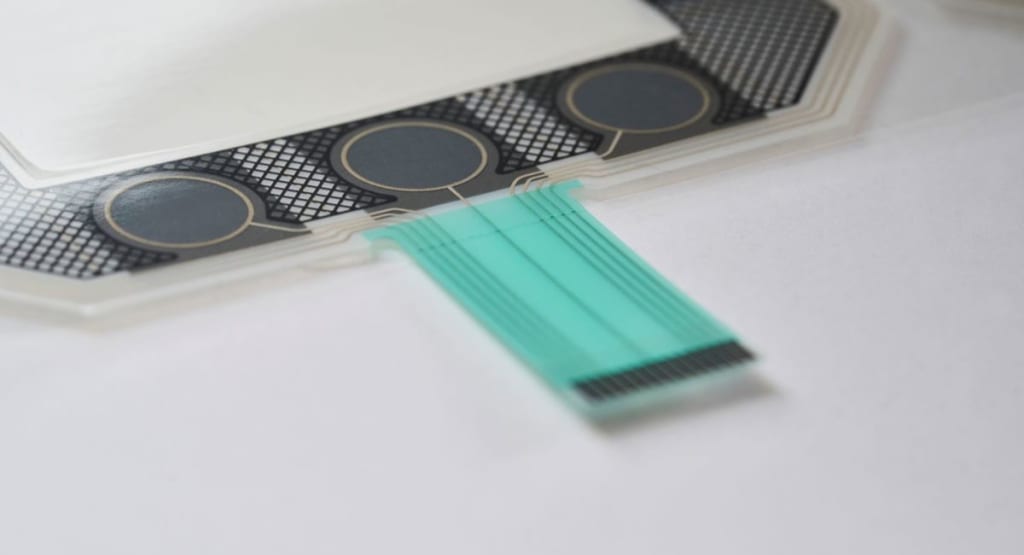
Printed sensors are transforming how we measure and interact with the physical world. These electronic sensors are manufactured using advanced printing techniques—inkjet, screen printing, and flexography& 2014;applied to flexible substrates like plastic, paper, and textiles using conductive and non-conductive inks. They detect changes in temperature, humidity, pressure, strain, and chemicals, while biosensor variants can identify glucose, proteins, and DNA.

Printed Sensor Market Growth Drivers:
- Surging Integration in Wearable Medical Devices
Wearable health technology is reshaping patient care, and printed sensors are at the heart of this revolution. These sensors enable continuous, real-time monitoring of vital signs like glucose levels, blood pressure, and oxygen saturation directly on the skin or within wearable patches. With chronic disease management becoming a priority worldwide and over 552 million people expected to have diabetes by 2030 according to the National Institutes of Health, demand for non-invasive glucose monitoring and continuous health tracking is skyrocketing.
- Rapid Growth in Consumer Electronics and IoT Applications
The explosion of IoT devices—reaching 14.6 billion units by 2022 according to Cisco—is driving unprecedented demand for lightweight, flexible sensing solutions. Printed sensors are finding their way into smartwatches, fitness trackers, foldable smartphones, and interactive automotive dashboards. In vehicles, global automakers are replacing traditional mechanical controls with sweeping touch surfaces that follow interior contours, using printed capacitive sensors that work through decorative plastic and survive extreme temperature cycles.
- Smart Packaging and Supply Chain Transformation
The packaging industry is experiencing a technological leap with printed sensors enabling smart labeling, temperature monitoring during food transportation, pharmaceutical authentication, and real-time inventory tracking. These applications address growing consumer demands for product safety, quality assurance, and supply chain transparency. The ability to embed ultra-thin, low-cost sensors directly into packaging materials without complex assembly makes printed sensors ideal for high-volume applications.
Printed Sensor Market Trends:
- Advances in Printing Technologies and Materials
Breakthroughs in inkjet, screen, and gravure printing are revolutionizing sensor manufacturing. Inkjet printing enables precise material deposition with minimal waste, allowing complex sensor designs on flexible substrates. Screen printing enhances durability for industrial and medical applications, while gravure printing supports high-speed, large-scale production that drives down costs.
- Roll-to-Roll Manufacturing and Cost Reduction Initiatives
The shift from rigid micro-electromechanical sensors to flexible, lightweight designs is fundamentally transforming the industry. Roll-to-roll manufacturing enables continuous, high-volume production with dramatically reduced material waste and lower unit costs. Asia-Pacific suppliers leverage long production runs to maintain competitive average selling prices, with roll-to-roll capacity additions accounting for about 15% of total new manufacturing investments.
- Strategic Partnerships and Regional Government Support
Industry leaders are forging strategic alliances with polymer and ink suppliers, academic institutions, and technology companies to accelerate development cycles and translate research into commercial products. Regulatory bodies in Japan, Korea, and China are formalizing fast-track approvals for wearable diagnostics, supporting volume growth in the medical segment. In the UK, researchers at the University of Cambridge developed aerogel-based sensors to detect formaldehyde, addressing widespread indoor air quality concerns where 45% of homes exceed healthy VOC levels.
- Recent News and Developments in Printed Sensor Market
- May 2025: Canatu Oy announced the start of mass production for advanced security sensors designed to detect unauthorized physical interference in systems storing sensitive information. The carbon nanotube-based sensors, developed under a supply agreement with a global technology leader, showcase the versatility of Canatu’s CNT technology beyond automotive and semiconductor applications, with deliveries scheduled through the third quarter of 2026.
- September 2025: Nissha Medical Technologies announced the expansion of its U.S. engineering operations to Nashville, Tennessee, partnering with Vanderbilt University to advance endoscopic device development. The USD 4.5 million investment will create 38 new jobs and establish a shared incubator space for medical device innovation, strengthening Nisshax2019;s position in the printed sensor and medical diagnostics market.
Note: If you require specific details, data, or insights that are not currently included in the scope of this report, we are happy to accommodate your request. As part of our customization service, we will gather and provide the additional information you need, tailored to your specific requirements. Please let us know your exact needs, and we will ensure the report is updated accordingly to meet your expectations.
About the Creator
sujeet. imarcgroup
With 2 years of hands-on experience at IMARC Group, I have conducted in-depth market research and analysis across diverse industries including technology, healthcare, agriculture, and consumer goods.
Keep reading
More stories from sujeet. imarcgroup and writers in Futurism and other communities.
Posture Correction Industry Landscape: Technology Integration & Growth Potential
Growing awareness around posture-related health issues, increasingly sedentary lifestyles, and the rise in remote work are fueling demand for posture correction solutions. Consumers are turning to ergonomic devices, wearable tech, and supportive braces to combat musculoskeletal problems linked to prolonged sitting and screen time. According to IMARC Group's latest data, the global posture correction market size reached USD 1.3 Billion in 2024. Looking forward, IMARC Group expects the market to reach USD 2.4 Billion by 2033, exhibiting a growth rate of 6.4% during 2025-2033. North America currently dominates the market, holding a market share of over 48% in 2024.
By sujeet. imarcgroupabout 3 hours ago in Futurism
Australia Private Equity Market: Strategic Capital, Business Transformation & Long-Term Value Creation
According to IMARC Group, the Australia private equity market reached a value of USD 23.9 Billion in 2025 and is projected to expand significantly to USD 48.5 Billion by 2034, exhibiting a compound annual growth rate (CAGR) of 8.21% during 2026–2034. This strong growth outlook highlights the increasing role of private equity as a strategic driver of business transformation, capital efficiency and long-term value creation across Australia. As public markets face heightened volatility and tighter capital conditions, private equity firms are stepping in as active owners, providing patient capital, operational expertise and strategic guidance. The market’s expansion is supported by rising demand for buyout funds, venture capital and infrastructure investments, alongside portfolio diversification into high-growth sectors such as technology and real estate. Together, these dynamics are reinforcing private equity’s position as a core pillar of Australia’s evolving investment ecosystem.
By Shrestha Roy4 days ago in Futurism
The Devil's Triangle
The sails ruffled in the breeze as we cruised along. The Sea Breeze was a mid-size catamaran that sailed out of Royal Naval Dockyard in Bermuda. We had booked this trip weeks in advance and were now looking at our Captain, Spike and two boat hands. Paddy and Wilson seemed like nice guys, joking around with the passengers and telling us some stories about Bermuda that only locals would know. Their island accents sounded almost British but they were pleasant to listen to.
By Barbara Gode Wiles6 days ago in Fiction



Comments
There are no comments for this story
Be the first to respond and start the conversation.