
Qatar Smart Cities Market: Smart Infrastructure, Data-Driven Planning & Growth Outlook
How AI-driven urban management, energy-efficient infrastructure, and data-driven governance are influencing innovation and competitive strategies in the Qatar smart cities market.

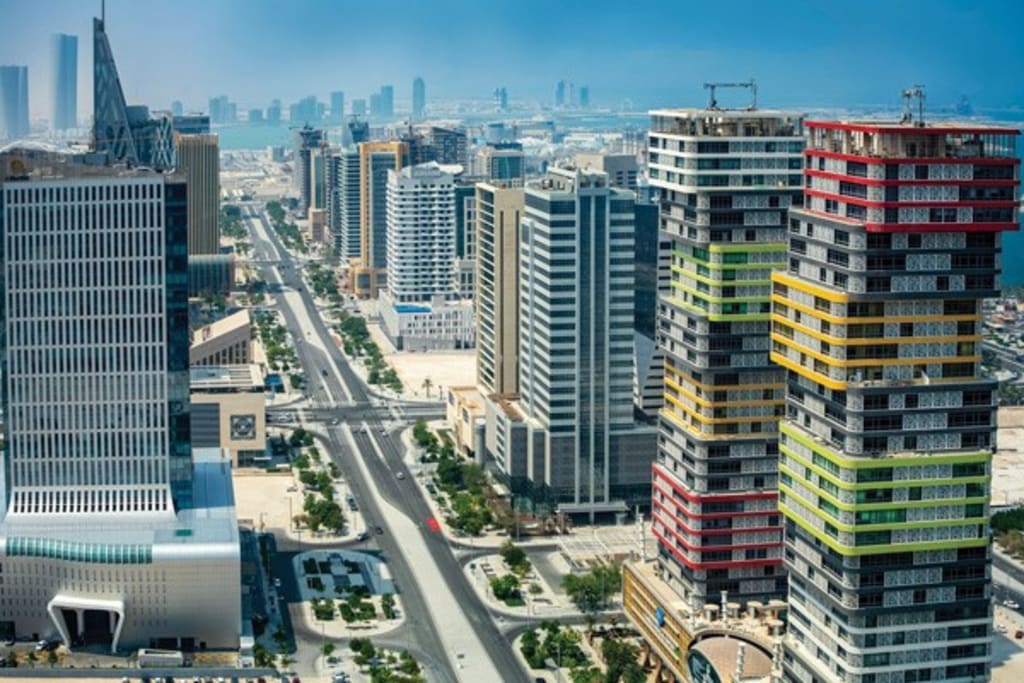
According to IMARC Group's latest research publication, The Qatar smart cities market size was valued at USD 3,314.53 Million in 2025 and is projected to reach USD 10,899.10 Million by 2034, growing at a compound annual growth rate of 14.14% from 2026-2034.
How AI is Reshaping the Future of Qatar Smart Cities Market
- The Qatari government is reported to have spent around QAR 1.5 billion (USD 412 million) on projects involving artificial intelligence, notably in Lusail, where AI is used to optimize traffic flow, energy use, and public safety to improve everyday life and resource management.
- In Lusail City, ST Engineering's S$60 million contract will create an AI-powered platform that uses machine learning and analytics to integrate lighting, buildings and traffic systems management into one central platform, which will be able to provide real-time actionable insights to optimize efficiency and reduce wastage across the smart city.
- Msheireb Downtown, Lusail and other urban projects utilize Energy Management Systems run by IoT and AI technology to reduce energy consumption by up to 30 percent through smart monitoring and demand-based management, creating a more efficient and sustainable future for cities.
Qatar Smart Cities Market Trends & Drivers:
The Qatari smart cities industry is largely driven by Qatar National Vision 2030, a plan dedicated to sustainable urban development and economic diversification. Some of Qatar's biggest developments, such as Lusail City and Msheireb Downtown Doha, have adopted technologies such as IoT-based energy management systems, smart grids and real-time resource optimization. The government-led program prioritizes energy conservation and improving governmental service through partnerships with international technology companies to create sustainable communities and improve the quality of life. Another method of promoting the planned plan's implementation is through partnerships with investors and specialists to create smart infrastructure across all of Doha and the new areas being developed to help make the nation sustainable in the future.
The development of connectivity and digital infrastructure has helped drive the expansion of the smart cities market in Qatar, where thorough 5G and fiber-optic network coverage enables the interoperability of smart systems that help support transportation, public safety and citizen services. Using data analytics and predictive modeling to automate operations and improve urban mobility, potential plans in the region include expanding the metro system and deploying smart traffic management solutions. Continued public and private sector collaboration will expedite the development of interlinked platforms that increase efficiency and adaptability. With increased speed and connectivity, smart cities will enable us to further deploy AI-driven decision-making and Internet of Things (IoT) solutions, ensuring urban functions are no longer static or fixed services, but instead, responsive and clever to the needs of residents and visitors.
The smart cities industry in Qatar is driven by innovation and knowledge-based economic growth. The government is promoting the use of technologies such as artificial intelligence (AI), big data analytics and cloud computing to solve urban issues. National programs support developing integrated platforms to increase governance, asset management and engagement, confirming Qatar's leadership in the region's digitization. Qatar invests in research, creates incubators and strengthens an ecosystem of startups to develop a continuous range of localized smart solutions from sustainable energy usage to improved public facilities and services. This innovation-oriented model improves efficiency and quality of life and softens economic shocks by creating new technology-oriented service opportunities and importing internationally based companies to partner with local startups.
Qatar Smart Cities Industry Segmentation:
The report has segmented the market into the following categories:
Focus Area Insights:
- Smart Transportation
- Smart Buildings
- Smart Utilities
- Smart Citizen Services
Smart Transportation Insights:
- Smart Ticketing
- Traffic Management System
- Passenger Information Management System
- Freight Information System
- Connected Vehicles
- Others
Smart Buildings Insights:
- Building Energy Optimization
- Emergency Management System
- Parking Management System
- Others
Smart Utilities Insights:
- Advanced Metering Infrastructure
- Distribution Management System
- Substation Automation
- Others
Smart Citizen Services Insights:
- Smart Education
- Smart Healthcare
- Smart Public Safety
- Smart Street Lighting
- Others
Regional Insights:
- Ad Dawhah
- Al Rayyan
- Al Wakrah
- Others
Competitive Landscape:
The competitive landscape of the industry has also been examined along with the profiles of the key players.
Recent News and Developments in Qatar Smart Cities Market
- January 2026: The Ministry of Municipality implements the first phase of the Smart City Solutions Project for Al Wakrah City with smart waste management systems, which include vehicle task distribution, a central operations command platform, and a mobility solutions platform to promote urban efficiency and sustainability.
- November 2025: Doha places 33rd globally and third regionally in IMD Smart City Index 2025. The city scores positively on health, safety, mobility, and governance, and has high-quality infrastructure.
- November 2025: A new phase of the TASMU Smart Qatar program is launched with a plan to develop more than 30 national smart solutions and establish a National Digital Twin, hosted in sovereign data centers, for policymaking and urban planning.
- November 2025: The Smart City Expo Doha presents how AI can advance mobility, urban development, and urban governance, using Lusail City as an example of Qatar's leadership in real-time data systems and smart mobility initiatives.
- 2025: Msheireb Downtown Doha has achieved a 30% reduction in energy consumption from IoT-based energy management systems and is a global example of sustainable smart district regeneration with 100% wastewater reuse and LEED-certified buildings.
Note: If you require specific details, data, or insights that are not currently included in the scope of this report, we are happy to accommodate your request. As part of our customization service, we will gather and provide the additional information you need, tailored to your specific requirements. Please let us know your exact needs, and we will ensure the report is updated accordingly to meet your expectations.
About the Creator
Fatimah
Market research writer at IMARC Group, turning data into engaging stories. Passionate about trends, insights & real-world impact. Join me on Vocal!
Data Center Generator Market Outlook: Power Reliability and Growth Opportunities
Rising demand for uninterrupted power supply, rapid expansion of data centers, and increasing reliance on cloud computing are driving growth in the data center generator market. According to IMARC Group's latest research publication, The global data center generator market size was valued at USD 7.81 Billion in 2024. Looking forward, IMARC Group estimates the market to reach USD 12.45 Billion by 2033, exhibiting a CAGR of 4.77% during 2025-2033.
By James Whitmana day ago in Futurism
Data Annotation Tools Market: AI Training Demand, Labeled Data Needs & Industry Growth Outlook
According to IMARC Group's latest research publication, global data annotation tools market size reached USD 2.11 Billion in 2024. Looking forward, IMARC Group expects the market to reach USD 12.45 Billion by 2033, exhibiting a growth rate (CAGR) of 20.71% during 2025-2033.
By sujeet. imarcgroupabout 4 hours ago in Futurism



Comments
There are no comments for this story
Be the first to respond and start the conversation.