
Saudi Arabia Plant-Based Seafood Market: Clean Labels, Food Innovation, Alternative Proteins & Consumer Shift
How clean-label, food advancement, alternative protein technology, and rising health and sustainability awareness are reshaping consumption patterns across the Saudi Arabia plant-based seafood market.

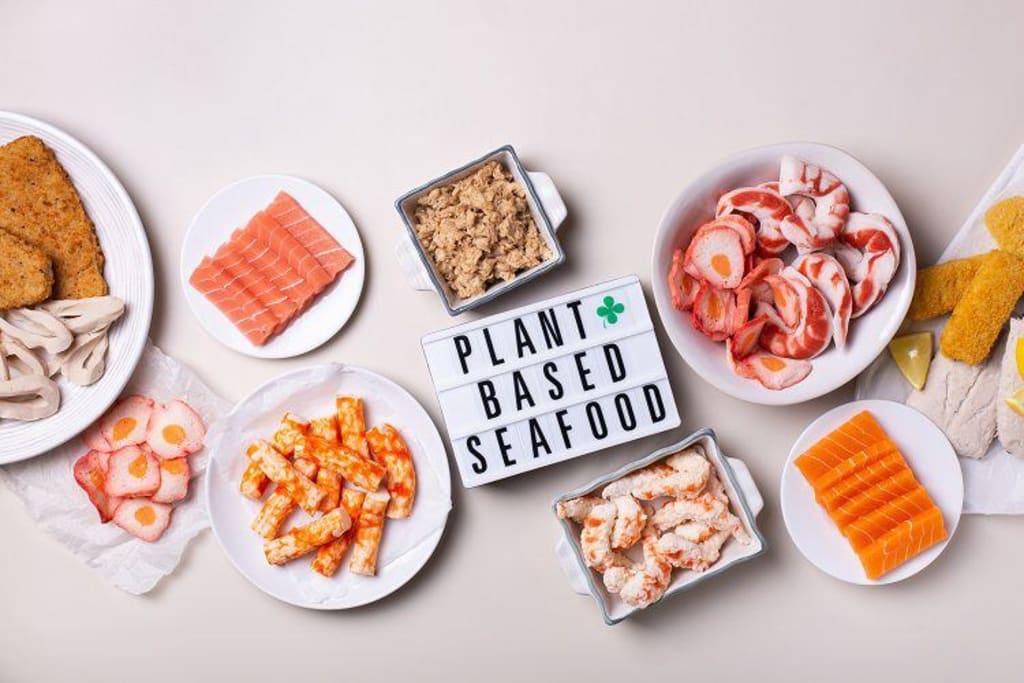
According to IMARC Group's latest research publication, Saudi Arabia plant-based seafood market size was valued at USD 1.2 Million in 2025 and is projected to reach USD 11.5 Million by 2034, growing at a compound annual growth rate of 28.33% from 2026-2034.
How AI is Reshaping the Future of Saudi Arabia Plant-Based Seafood Market
- Precision Flavor and Texture Replication: AI analyzes molecular structures to precisely replicate seafood taste and mouthfeel, achieving 90% similarity to conventional products while enabling faster formulation development and reducing R&D costs by 40%.
- Ingredient Optimization and Formulation: Machine learning algorithms identify optimal plant protein blends from legumes and algae, creating nutritionally balanced products that match omega-3 content while eliminating mercury concerns associated with conventional seafood consumption.
- Smart Production and Quality Control: AI-powered systems monitor production lines in real-time, detecting quality variations instantly and adjusting manufacturing parameters automatically. This reduces defect rates by 50% and ensures consistent product quality across batches.
- Consumer Preference Prediction: Predictive analytics process customer feedback and purchase patterns to forecast trends, enabling manufacturers to develop products aligned with Saudi consumer preferences for specific fish types, flavors, and cooking formats.
How Vision 2030 is Revolutionizing Saudi Arabia Plant-Based Seafood Industry
Vision 2030 is transforming Saudi Arabia's plant-based seafood landscape through strategic initiatives supporting food innovation, sustainability, and dietary diversification. National programs focused on food security and local manufacturing create opportunities for alternative protein producers to scale operations within the Kingdom. Government support for agri-food technology, investment incentives through entities like the Public Investment Fund, and partnerships with global food companies improve product availability and quality standards. The Ministry of Commerce reported 40,953 registered e-commerce companies by Q4 2024, reflecting 10% growth that enhances digital distribution channels for specialty foods. Vision 2030's emphasis on environmental responsibility and reduced import reliance supports interest in sustainable alternatives. Additionally, lifestyle shifts among younger demographics—with 71% of citizens below age 35 according to GASTAT—combined with expansion of modern retail formats, are normalizing plant-based seafood consumption and strengthening long-term market acceptance.
Saudi Arabia Plant-Based Seafood Market Trends & Drivers:
Growing health awareness about diet-related risks is encouraging Saudi consumers to reassess dietary choices and explore alternatives to animal-based foods. Increased concerns about cholesterol levels, heart health, and lifestyle conditions support interest in plant-based seafood as a lighter option. The 2024 National Health Survey and Woman and Child Health Survey reported that 18.95% of adults have at least one chronic illness, including 9.1% with diabetes and 3.6% with high cholesterol. Additionally, 23.1% of adults and 14.6% of children are affected by obesity, prompting heightened attention to calorie intake, fat consumption, and nutritional balance. Plant-based seafood offers seafood-style meals with lower saturated fat and no cholesterol while fitting familiar culinary preferences. Increased availability through modern retail, improved product quality, and clearer nutritional labeling further support adoption as health-driven decision-making encourages consumers to incorporate these alternatives into regular diets.
The rapid expansion of modern retail infrastructure and e-commerce platforms significantly improves accessibility of plant-based seafood products across Saudi Arabia. Supermarkets and hypermarkets are allocating dedicated shelf space for plant-based and health-focused offerings, capturing 45% of market share, while online grocery platforms enable convenient access to niche products beyond physical store limitations. This distribution shift is supported by strong digital adoption, with the International Trade Administration projecting 33.6 million internet users participating in e-commerce by 2024. Enhanced retail visibility through structured shelf placement and regular promotional activities strengthens product awareness, while online platforms reduce geographic barriers and enable convenient purchasing patterns. A SR200 million agreement signed in 2025 to develop a major food logistics hub at King Abdulaziz Port in Dammam aims to strengthen national food supply chains, supporting reliable distribution networks and reducing spoilage risks.
Urban consumers in Saudi Arabia, particularly younger demographics, are increasingly adopting flexitarian eating habits that emphasize nutrition while avoiding strict dietary limitations. Plant-based seafood products appeal to this group due to perceived benefits such as lower saturated fat content, absence of mercury, and cleaner ingredient profiles. This demographic influence is significant, with GASTAT's 2024 report indicating that 71% of Saudi citizens are below the age of 35, with an average age of 26.6. Rising disposable income drives demand for premium and specialty food products, reflected in private consumption expenditures recording a real increase of 2.4% in the first half of FY2024 compared to the previous period. Saudi Arabia's expanding tourism and hospitality sector catalyzes demand for diverse menu offerings, with international visitor spending increasing 9.7% in Q1 2025. This momentum encourages foodservice operators to integrate plant-based seafood for seafood-style dishes with greater supply consistency.
Saudi Arabia Plant-Based Seafood Market Industry Segmentation:
The report has segmented the market into the following categories:
Product Type Insights:
- Fish Products
- Prawn and Shrimp Products
- Crab Products
Distribution Channel Insights:
- Supermarkets and Hypermarkets
- Convenience Stores
- Online
- Others
Regional Insights:
- Northern and Central Region
- Western Region
- Eastern Region
- Southern Region
Competitive Landscape:
The competitive landscape of the industry has also been examined along with the profiles of the key players.
Recent News and Developments in Saudi Arabia Plant-Based Seafood Market
- February 2026: Saudi Arabia plant-based seafood market grows rapidly under Vision 2030, with high-end restaurants and supermarkets introducing innovative fish and shrimp alternatives using pea protein and algae, boosting consumer trials among flexitarians.
- January 2026: Emerging local startups launch plant-based calamari and tuna analogs tailored to Saudi tastes, incorporating advanced fermentation techniques for realistic texture and flavor in urban markets.
- November 2025: International brands expand plant-based seafood offerings in Riyadh and Jeddah, achieving notable adoption with 37.5% of consumers trying vegetarian diets including seafood substitutes for sustainability.
- October 2025: Major supermarket chains add plant-based prawn and fish fillets to shelves, driven by health awareness and environmental concerns, enhancing product availability through innovative ingredient formulations.
- September 2025: Foodservice sector integrates plant-based seafood into menus via partnerships with global tech firms, focusing on algae-based shrimp analogs that reduce reliance on traditional imports while supporting dietary diversification.
Note: If you require specific details, data, or insights that are not currently included in the scope of this report, we are happy to accommodate your request. As part of our customization service, we will gather and provide the additional information you need, tailored to your specific requirements. Please let us know your exact needs, and we will ensure the report is updated accordingly to meet your expectations.
About the Creator
Jeffrey Wilson
Hello, I’m Jeffrey Wilson, a market research specialist with over 9 years of experience in uncovering consumer insights and driving data-backed strategies.
Keep reading
More stories from Jeffrey Wilson and writers in Futurism and other communities.
Saudi Arabia Reinsurance Market: Regulatory Reforms, Risk Diversification, Capital Strength & Market Expansion
According to IMARC Group's latest research publication, Saudi Arabia reinsurance market size was valued at USD 3.3 Billion in 2025. Looking forward, IMARC Group estimates the market to reach USD 5.2 Billion by 2034, exhibiting a CAGR of 5.35% from 2026-2034.
By Jeffrey Wilsonabout 2 hours ago in Futurism
Commercial Printing Market: Print Service Provider Modernization, Equipment Upgrades & Market Forecast
According to IMARC Group's latest research publication, global commercial printing market size was valued at USD 774.46 Billion in 2024. Looking forward, IMARC Group expects the market to reach USD 848.1 Billion by 2033, exhibiting a growth rate of 1.07% during 2025-2033.
By sujeet. imarcgroup3 days ago in Futurism
Space Tech in Your Pocket: The Cosmic Origins of Everyday Life
You wake up to your smartphone alarm, check the weather forecast, brew your morning coffee, and head to work guided by GPS navigation. Sounds like an ordinary day, right? Actually, you've just used at least five technologies born from space exploration programs. And it's not even 9 AM yet.
By Holianyk Ihor3 days ago in Futurism




Comments
There are no comments for this story
Be the first to respond and start the conversation.