
The Lingering Echoes: How Today’s Wars Shape Tomorrow’s World
The Lingering Echoes

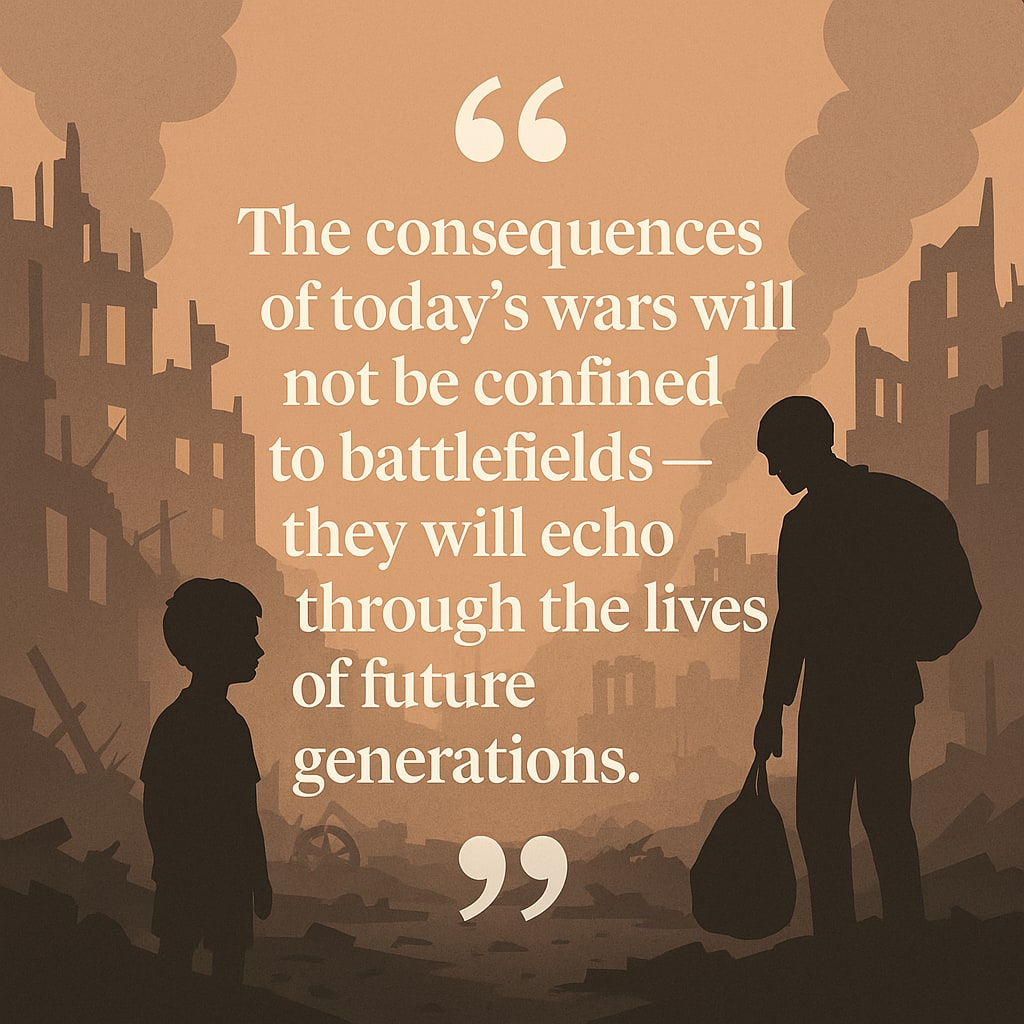
The Lingering Echoes: How Today’s Wars Shape Tomorrow’s World
War is often portrayed as a finite event—a chapter in history that eventually concludes with peace treaties and reconstruction. But the reality is far more complex. Modern wars, regardless of scale or geography, send shockwaves that ripple through societies, ecosystems, economies, and political landscapes for decades. The conflicts unfolding in today’s world are not isolated events; they are pivotal moments that mold the shape of the future in profound and often irreversible ways.
Today’s wars extend beyond physical battlegrounds. While traditional warfare remains a destructive force, much of modern conflict now takes place in cyberspace, the global economy, and the realm of public opinion. Digital misinformation campaigns, cyberattacks on infrastructure, and proxy wars waged through third-party actors represent just a few of the sophisticated tools of 21st-century conflict. These new dimensions of warfare allow for long-term influence without direct confrontation, and their effects linger long after the conflict appears to end.
Displacement and the Human Toll
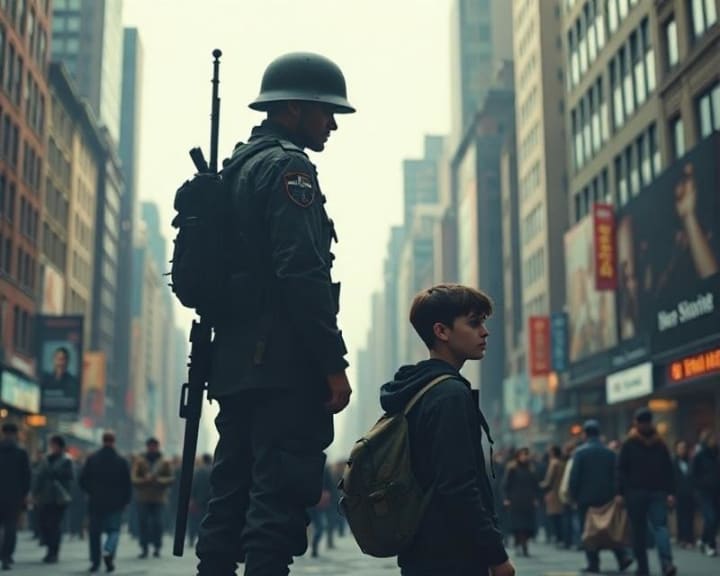
Perhaps the most visible consequence of war is displacement. In countries like Syria, Yemen, Sudan, and Ukraine, millions have been forced to flee their homes due to ongoing violence. These refugees often endure years of uncertainty in foreign lands, creating humanitarian emergencies that stress international aid systems and stir political debates in host nations. Refugee movements can reshape regional demographics, challenge healthcare and education systems, and influence domestic politics in countries far from the battlefield.
The trauma carried by displaced individuals, especially children, creates psychological ripples that extend into the next generation. Witnessing violence, losing loved ones, or enduring long-term instability damages mental health and undermines long-term development. The emotional and psychological impact of war does not end when the guns go quiet—it festers, passed down through generations as historical trauma, bitterness, and fear.
Economic Instability and Global Disruption
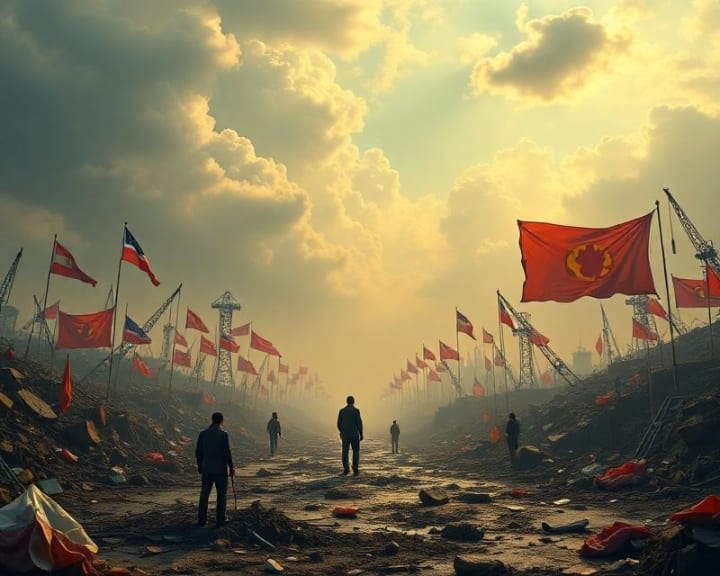
The economic consequences of war are as far-reaching as they are complex. War zones see destruction of infrastructure, loss of human capital, and the collapse of industries. Inflation, unemployment, and mass poverty typically follow. In regions with fragile economies, this damage can take decades to undo—if it is ever undone at all.
On a global scale, conflict disrupts trade, investment, and energy supplies. The war in Ukraine, for example, has affected wheat and oil exports, pushing up prices worldwide and contributing to inflation and food insecurity even in countries with no direct involvement. Investors lose confidence, and global supply chains get rerouted or stalled. Recovery is rarely swift, and the scars on global markets can lead to prolonged economic uncertainty.
Shifting Political Landscapes and Fragile Governance
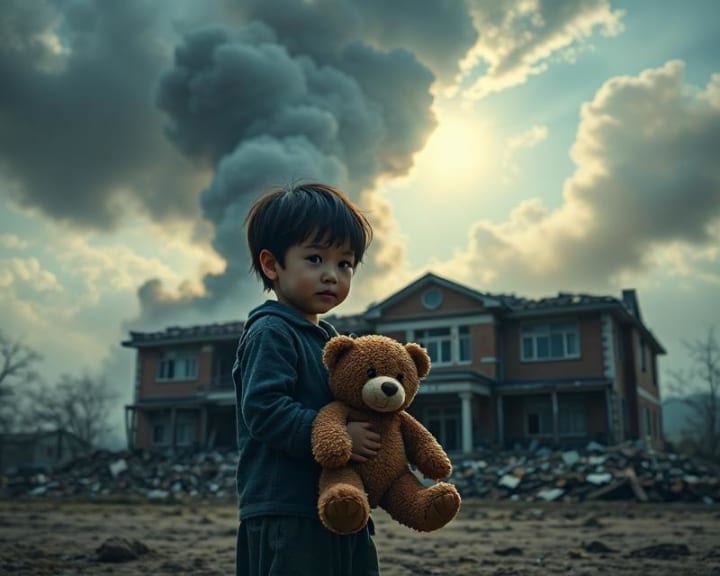
Wars often bring political upheaval. Whether it's the toppling of a regime or the emergence of authoritarian leadership under the guise of national security, conflict alters governance structures in both participating and observing nations. Power vacuums left by the collapse of governments are often filled by extremist groups or factions, destabilizing regions for years.
Furthermore, today's wars often reshape international alliances. Countries may be drawn into new coalitions, while others distance themselves to preserve neutrality. Diplomatic strategies shift, and former allies may become adversaries. The post-war world order is rarely identical to what came before, with global institutions frequently needing to adapt to new power structures and tensions.
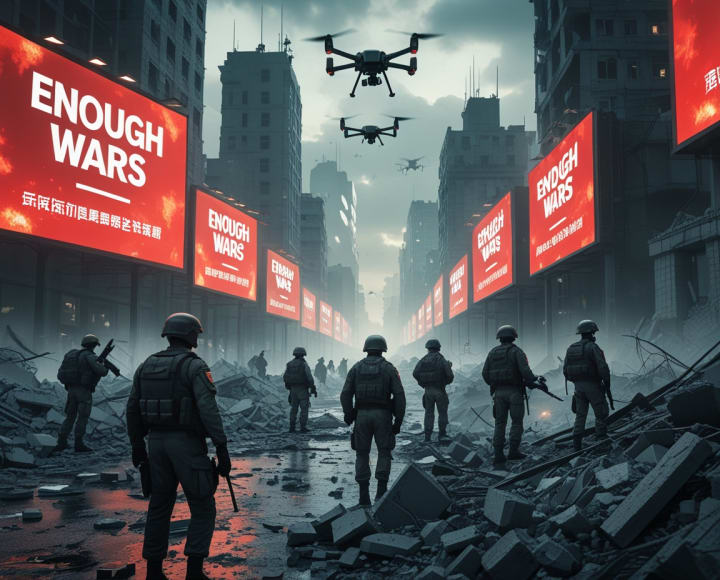
Technological Advancement with Ethical Dilemmas
War is a catalyst for technological innovation. Throughout history, many groundbreaking inventions—from the jet engine to the internet—have their roots in military research. In the modern era, warfare has accelerated the development of artificial intelligence, drone technology, and cyber tools. These advancements often migrate into civilian life, creating efficiencies and conveniences.
However, they also come with a new wave of moral questions. Autonomous weapons, facial recognition surveillance, and AI-assisted targeting systems raise concerns about accountability, legality, and human rights. If a machine makes a fatal error, who is to blame? What ethical boundaries should govern these tools? Today’s conflicts are forcing society to confront the future of warfare and the values we attach to life, justice, and responsibility.
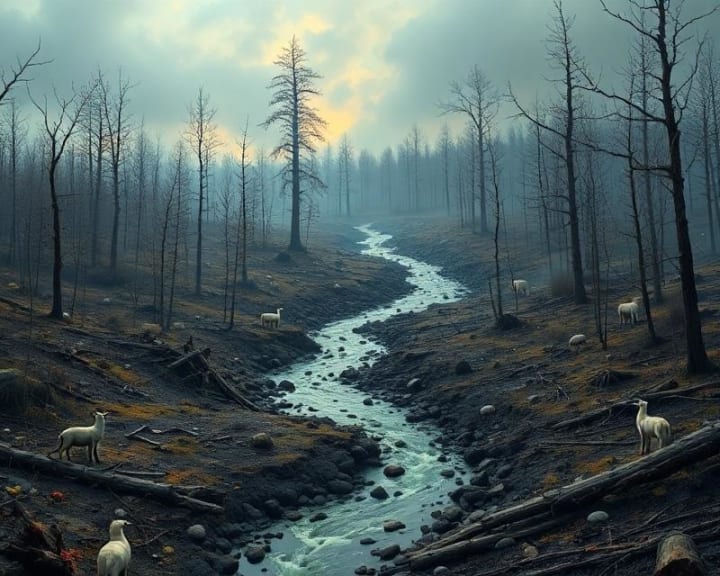
Environmental Destruction and Ecological Legacy
Another long-term consequence often overlooked is environmental damage. Modern wars devastate ecosystems, pollute water sources, destroy arable land, and contribute significantly to climate change. Military operations leave behind toxic waste, unexploded ordnance, and scorched landscapes. Post-conflict regions frequently suffer from desertification, deforestation, and biodiversity loss.
Moreover, the environmental toll of rebuilding after war—construction, deforestation, energy consumption—can further accelerate ecological harm. Climate refugees and resource conflicts, such as those over water or arable land, may also arise as indirect consequences of previous wars.
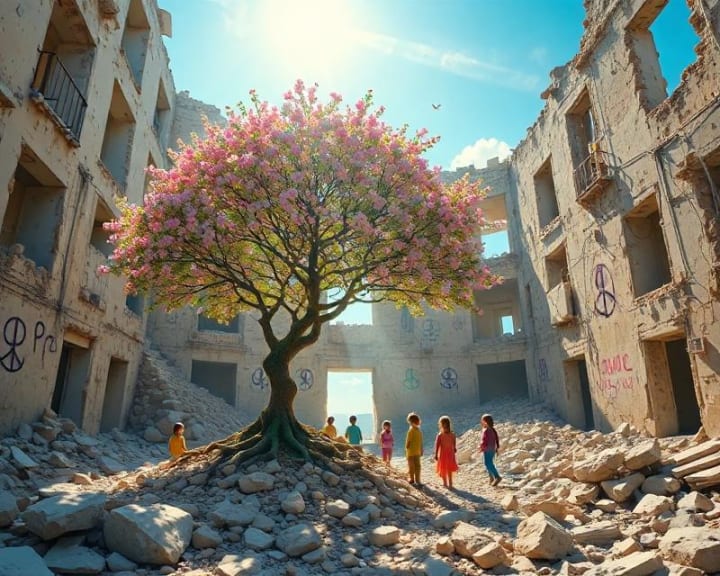
Cultural Erosion and the Loss of Heritage
Wars often destroy more than just infrastructure—they erase culture. Libraries, museums, ancient ruins, and religious monuments become targets in ideological wars or casualties of urban bombardment. Cultural erasure, whether intentional or incidental, robs future generations of their heritage and identity. Preserving history becomes a challenge in post-war environments, especially when narratives are rewritten by victors or invaders.
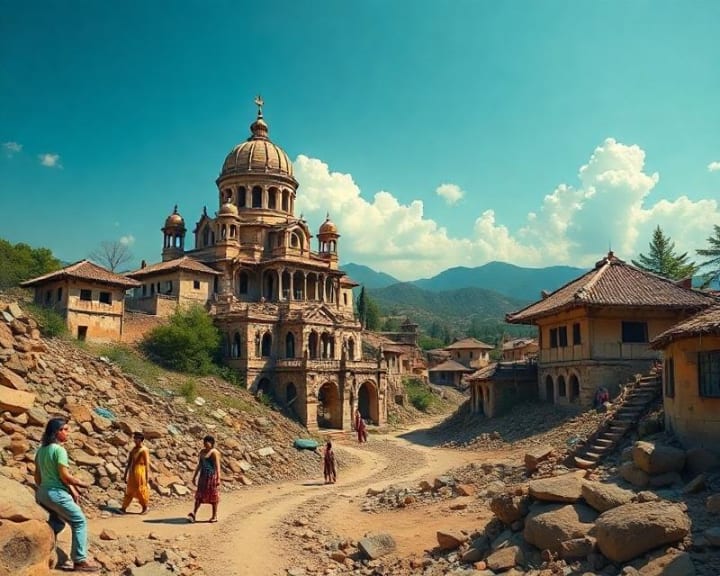
Learning From the Past to Shape the Future
Despite the darkness that war brings, it can also become a powerful teacher. The international community has developed conventions, treaties, and institutions like the United Nations precisely because of the hard-earned lessons from past conflicts. Humanitarian law, nuclear non-proliferation agreements, and war crimes tribunals are all efforts to prevent history from repeating itself.
Moreover, war often inspires social change. The civil rights movements in the U.S., women’s increased workforce participation, and the drive for decolonization were all partly fueled by post-war shifts in consciousness. When societies rebuild, they sometimes emerge with stronger institutions, renewed values, and clearer visions for peace.
Conclusion: A Legacy That Lives On
The lingering echoes of today’s wars will shape the contours of our collective future. Their impact is not confined to soldiers or those living on the front lines—it extends to global systems, generations yet unborn, and the very frameworks by which we govern ourselves and understand one another. Whether through environmental fallout, economic instability, political transformation, or cultural shifts, the aftershocks of war reverberate for years—sometimes centuries.
Understanding these echoes allows us not just to mourn or respond to war, but to learn from it. If we acknowledge the long shadow conflict casts, we may one day build a world that chooses prevention over provocation, diplomacy over destruction, and memory over repetition.
About the Creator
KingFree MaN
Our purpose is to serve others. We strive to understand their needs, identify what they seek and streamline the journey to help them reach their goals. By removing obstacles and creating clear paths we work to make their experience smoother
Keep reading
More stories from KingFree MaN and writers in Futurism and other communities.
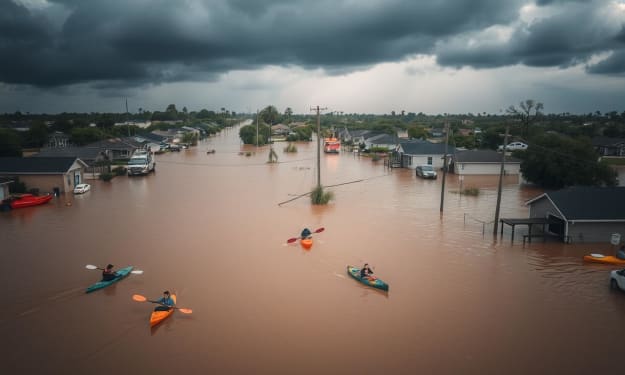
Central Texas Communities Grapple with Flood Aftermath
Central Texas Communities Grapple with Flood Aftermath Recent heavy rainfall has left numerous communities in Central Texas grappling with the devastating aftermath of significant flooding. As residents begin to assess the extensive damage and disruptions caused by the torrential downpours, local authorities and organizations are mobilizing their efforts to aid those affected. The long-term repercussions of this crisis underscore critical challenges regarding community recovery and flood management in the region.
By KingFree MaN7 months ago in Futurism
Commercial Printing Market: Print Service Provider Modernization, Equipment Upgrades & Market Forecast
According to IMARC Group's latest research publication, global commercial printing market size was valued at USD 774.46 Billion in 2024. Looking forward, IMARC Group expects the market to reach USD 848.1 Billion by 2033, exhibiting a growth rate of 1.07% during 2025-2033.
By sujeet. imarcgroup4 days ago in Futurism
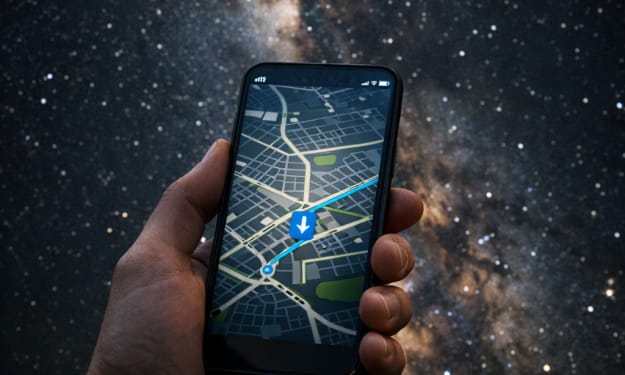
Space Tech in Your Pocket: The Cosmic Origins of Everyday Life
You wake up to your smartphone alarm, check the weather forecast, brew your morning coffee, and head to work guided by GPS navigation. Sounds like an ordinary day, right? Actually, you've just used at least five technologies born from space exploration programs. And it's not even 9 AM yet.
By Holianyk Ihor3 days ago in Futurism
Off the Book
It ended like every other stupid idea. Badly, and alone. I’m researching digital confession ethics, he said. A tech ethicist. He gestured at floating data I couldn’t see then pulled out a physical notebook. Actual paper, fountain pen. He held it up like he was showing me scripture.
By Nicky Frankly4 days ago in Fiction


Comments
There are no comments for this story
Be the first to respond and start the conversation.