
Vacuum Packaging Market Outlook: Food Preservation Demand and Growth Opportunities
The vacuum packaging market is experiencing steady growth, driven by increasing demand for extended shelf life, improved food safety, and reduced product spoilage across food and beverage industries.

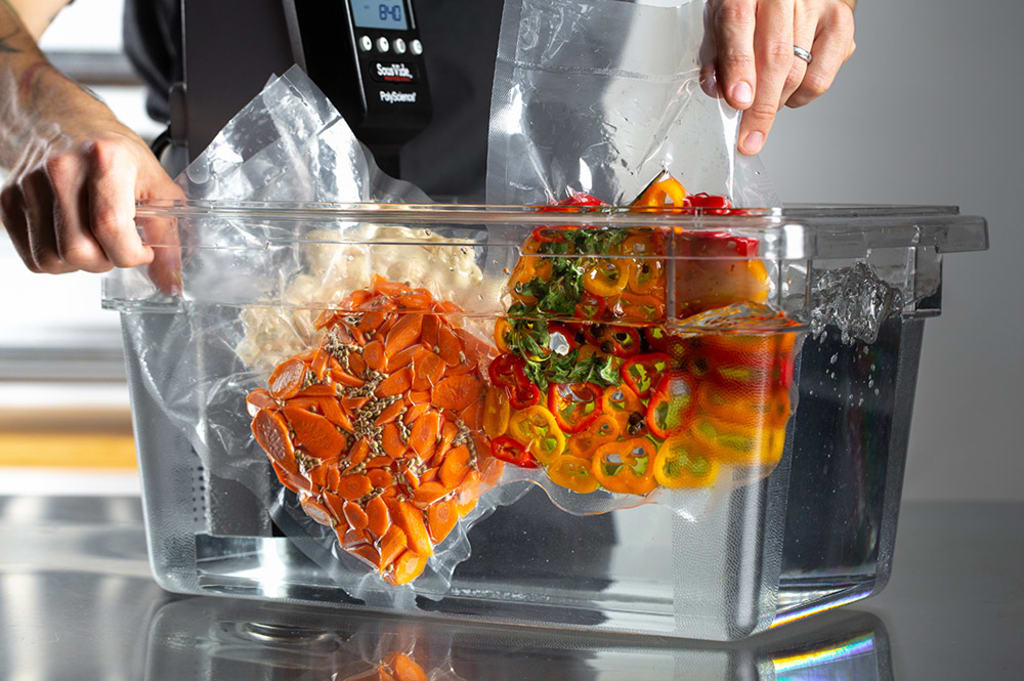
According to IMARC Group's latest research publication, The global vacuum packaging market size reached USD 29.2 Billion in 2024. Looking forward, IMARC Group expects the market to reach USD 40.3 Billion by 2033, exhibiting a growth rate (CAGR) of 3.43% during 2025-2033
How AI is Reshaping the Future of Vacuum Packaging Market
- Intelligent Quality Control and Defect Detection: AI-powered vision systems analyze seal integrity, package appearance, and contamination with precision exceeding human inspection. Advanced algorithms identify microscopic defects, air leaks, and improper seals in real-time, automatically removing faulty packages while maintaining production speeds and reducing quality-related product recalls.
- Predictive Maintenance for Packaging Equipment: Machine learning tracks over 150 pressure points and vibration patterns across production lines, predicting equipment failures 7 to 14 days ahead. This enables manufacturers to schedule maintenance proactively, reducing unexpected downtime and ensuring continuous operation of thermoformers and sealing machines.
- AI-Driven Material Optimization and Waste Reduction: Smart algorithms optimize film thickness, barrier properties, and material composition based on specific product requirements. AI systems analyze historical data to recommend optimal material blends, reducing packaging material waste and lowering operational costs while maintaining product protection standards.
Vacuum Packaging Industry Overview:
The vacuum packaging sector is advancing through automation innovations and sustainable material developments. Smart packaging with embedded QR codes and NFC tags enables real-time product tracking and consumer engagement. Major manufacturers are investing heavily in recyclable barrier films and biodegradable materials to meet environmental regulations. Asia Pacific dominates production with 37% market share, while North America leads in technology adoption. The pharmaceutical sector increasingly relies on vacuum packaging for sterile medical supplies, driving demand for ISO-certified cleanroom-compatible solutions.
Vacuum Packaging Market Trends & Drivers:
The explosive growth of e-commerce and online food delivery is fundamentally reshaping vacuum packaging demand. Global online grocery shopping expanded by 23% annually, with meal kit services requiring portion-controlled vacuum-sealed packages. Retailers like Iceland Foods and Sainsbury's converted entire beef and pork mince ranges to vacuum packaging, eliminating 26 tonnes of plastic annually while extending shelf life by 50%. Ready-to-eat meals, fresh-cut produce, and artisan cheeses dominate e-commerce food categories, all requiring robust vacuum packaging that withstands transit challenges. Automated packaging lines now integrate IoT sensors providing real-time monitoring of seal integrity during distribution, directly addressing consumer expectations for product freshness upon delivery.
Sustainability imperatives are driving radical material innovation across the vacuum packaging industry. SABIC's bio-renewable polyethylene derived from used cooking oil now comprises 60% of specialized packaging films, reducing carbon footprints by 30% while maintaining barrier properties. Klöckner Pentaplast's kp 100% Tray2Tray® earned the German Packaging Award for fully recyclable thermoform solutions. Stora Enso introduced Trayforma BarrPeel, a peelable paperboard material replacing plastic trays for vacuum-packed meats and cheese. Companies like Paulig achieved 100% recyclable vacuum coffee packaging across Finland and Estonia. Regulatory pressure through Extended Producer Responsibility schemes and plastic reduction mandates are accelerating adoption of mono-material films and compostable alternatives that maintain oxygen barrier performance below 0.5%.
Pharmaceutical sector expansion is creating specialized demand for ultra-high-barrier vacuum packaging solutions. Ready-to-use intravenous bags, pre-fillable syringes, and biologics require ultra-low temperature compatibility and sterile barrier systems. Amneal Pharmaceuticals' FDA-approved RTU packaging reduced compounding steps by 40%, eliminating contamination risks during preparation. The Pharmaceutical Security Institute recorded over 6,400 counterfeit incidents, driving manufacturers to embed serialized RFID tags and QR codes within vacuum packaging for authentication. ISO 11607-compliant packaging lines with steam sterilization capabilities now serve 80% of pharmaceutical manufacturers. Modified atmosphere packaging combined with vacuum sealing extends shelf life of temperature-sensitive drugs while maintaining molecular stability throughout global distribution networks.
Leading Companies Operating in the Global Vacuum Packaging Industry:
- Amcor plc
- Coveris Holdings S.A.
- Dow Inc.
- Kite Packaging Ltd
- Klöckner Pentaplast
- Nemco Machinery A/S
- Plastopil Hazorea Company Ltd.
- Sealed Air Corporation
- Sealer Sales Inc.
- U.S. Packaging & Wrapping LLC
- ULMA Packaging
- Wells Can Company Ltd
- Winpak Ltd.
Vacuum Packaging Market Report Segmentation:
By Process:
- Skin Vacuum Packaging
- Shrink Vacuum Packaging
- Others
Skin vacuum packaging represents the most used process, offering tight form-fitting seals that enhance product appearance and extend shelf life.
By Material:
- Polyethylene
- Polyamide
- Ethylene Vinyl Alcohol
- Others
Polyethylene holds the largest share due to its exceptional barrier properties, cost-effectiveness, and versatility across multiple applications.
By Machinery:
- Thermoformers
- External Vacuum Sealers
- Tray-sealing Machines
- Others
Thermoformers presently account for the largest market share, enabling custom-designed packaging that precisely fits product contours for optimal protection.
By Pack Type:
- Flexible Packaging
- Semi-rigid Packaging
- Rigid Packaging
Flexible packaging dominates the market due to its lightweight nature, customization capabilities, and superior barrier properties that extend product shelf life.
By Application:
- Food
- Pharmaceuticals
- Industrial Goods
- Others
Food presently represents the leading application segment, driven by rising demand for convenient, fresh, and safe packaged foods across retail and foodservice channels.
Regional Insights:
- North America (United States, Canada)
- Asia Pacific (China, Japan, India, South Korea, Australia, Indonesia, Others)
- Europe (Germany, France, United Kingdom, Italy, Spain, Russia, Others)
- Latin America (Brazil, Mexico, Others)
- Middle East and Africa
Asia Pacific exhibits clear dominance in the market, driven by rapid industrialization, expanding food and beverage sectors, and growing e-commerce adoption.
Recent News and Developments in Vacuum Packaging Market
- August 2025: Klöckner Pentaplast received the German Packaging Award for its kp 100% Tray2Tray® innovation, reinforcing industry leadership in sustainable packaging solutions. The fully recyclable thermoform system eliminates mixed-material waste while maintaining superior barrier properties for fresh meat and dairy products across European markets.
- August 2025: Coveris completed an $11 million upgrade to its German facility, installing a next-generation cast film extrusion line and advanced printing press. The expansion enhances production capacity for high-barrier vacuum films, enabling faster turnaround times and customized packaging solutions for pharmaceutical and food industry clients.
- July 2025: Klöckner Pentaplast introduced kp Elite® Nova, the lightest modified atmosphere packaging tray in its class, reducing material usage by 15% while maintaining structural integrity. The innovation addresses retailer demands for sustainable packaging that reduces transportation costs and carbon emissions throughout distribution networks.
- May 2024: Paulig Food & Beverage Company rolled out recyclable vacuum coffee packaging across all retail outlets in Finland and Estonia. This initiative supports the company's commitment to achieving 100% recyclable packaging, demonstrating how consumer brands are prioritizing environmental sustainability without compromising product freshness.
- May 2023: Amcor announced its acquisition of Moda Systems, a New Zealand-based specialist in advanced modular vacuum packing solutions for meat, poultry, and dairy industries. The strategic acquisition strengthens Amcor's position in high-performance protein packaging and expands its technology portfolio for automated on-demand bag-making systems.
Note: If you require specific details, data, or insights that are not currently included in the scope of this report, we are happy to accommodate your request. As part of our customization service, we will gather and provide the additional information you need, tailored to your specific requirements. Please let us know your exact needs, and we will ensure the report is updated accordingly to meet your expectations.
About the Creator
Michael Richard
Michael Richard is a Market Research Expert specializing in market intelligence, competitive analysis, and data-driven insights. He helps organizations understand trends and emerging opportunities through in-depth research.
Keep reading
More stories from Michael Richard and writers in Futurism and other communities.
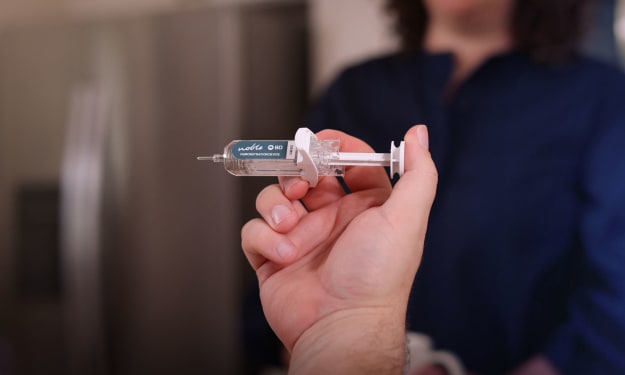
Prefilled Syringes Market Outlook: Injectable Drug Delivery Innovation and Growth Opportunities
According to IMARC Group's latest research publication, The global prefilled syringes market size was valued at USD 8.16 Billion in 2024. The market is projected to reach USD 15.75 Billion by 2033, exhibiting a CAGR of 7.58% from 2025-2033.
By Michael Richardabout 17 hours ago in Futurism
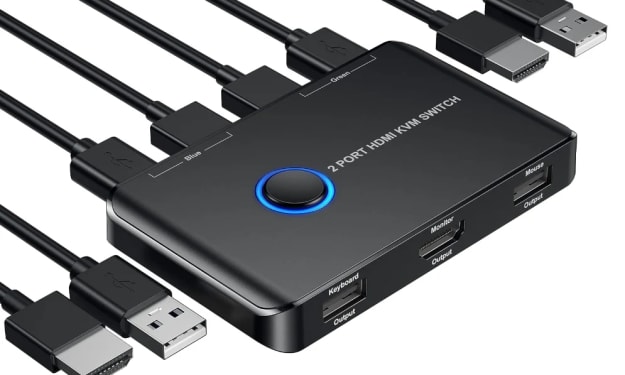
KVM Switch Market Outlook: Data Center Efficiency and IT Infrastructure Growth Opportunities
According to IMARC Group's latest research publication, The global KVM switch market size was valued at USD 1,188.50 Million in 2024. Looking forward, IMARC Group estimates the market to reach USD 1,452.01 Million by 2033, exhibiting a CAGR of 2.14% from 2025-2033.
By James Whitman6 days ago in Futurism
Employment Screening Services Market Trends: Digital Verification, Compliance Pressures & Forecast to 2033
Growing security concerns, regulatory compliance requirements, and the rapid expansion of remote hiring practices are driving demand for employment screening services worldwide. Employers increasingly rely on comprehensive background checks to verify credentials, mitigate risks, and ensure workplace safety. According to IMARC Group's latest data, the global employment screening services market size was valued at USD 6.1 Billion in 2024. Looking forward, IMARC Group estimates the market to reach USD 11.6 Billion by 2033, exhibiting a CAGR of 6.71% from 2025-2033.
By Andrew Sullivan7 days ago in Futurism


Comments
There are no comments for this story
Be the first to respond and start the conversation.