
Compassionate Depression Treatment for Lasting Relief
Understanding Depression with Empathy

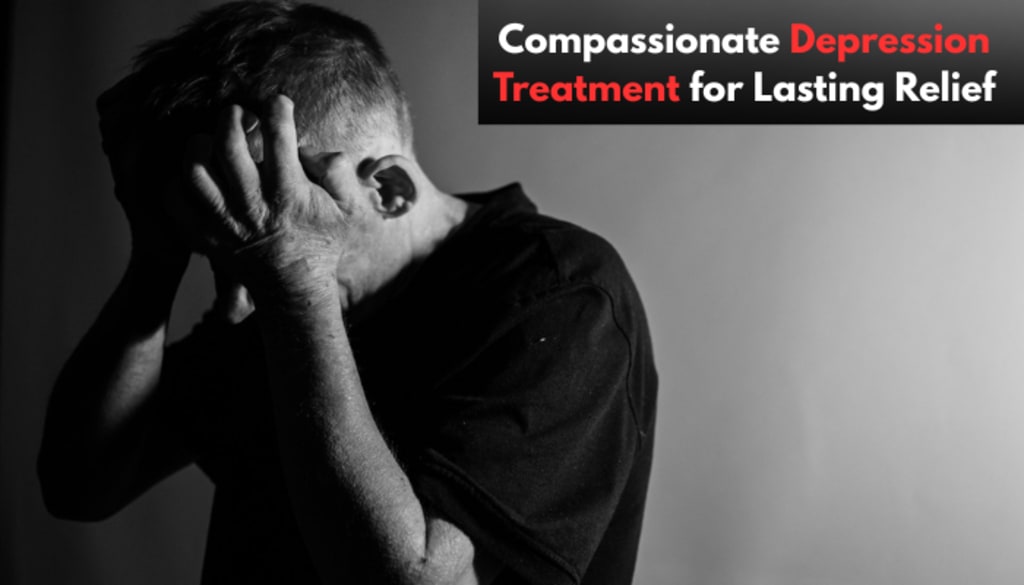
Depression is more than just feeling sad. It can drain energy, cloud judgment, and diminish the joy in life. Yet, many hesitate to seek help because of stigma or uncertainty about where to turn. The good news is that compassionate depression treatment offers a path to lasting relief, tailored to individual needs and experiences.
This article dives into what compassionate depression treatment means, the various options available, signs that you might benefit from treatment, and how to find the right care for your journey toward healing.
What Does Compassionate Depression Treatment Entail?
At its core, compassionate depression treatment focuses on understanding the whole person rather than just the symptoms. It recognizes that depression affects emotional, physical, and social well-being, and that healing requires patience, respect, and personalized care.
Compassionate providers create a safe environment where patients can express themselves without judgment. This foundation of trust is essential because depression often comes with feelings of shame or isolation.
Key components of compassionate depression treatment include:
- Active listening and empathy
- Collaborative goal-setting between patient and provider
- Recognition of individual life circumstances and challenges
- Flexibility in treatment approaches to suit personal preferences
- Ongoing support and encouragement throughout recovery
This approach not only helps alleviate symptoms but also empowers individuals to rebuild a fulfilling life.
Effective Forms of Depression Treatment
Depression treatment isn’t one-size-fits-all. What works for one person may not for another, which is why a variety of evidence-based options are available. Compassionate providers assess your unique situation to design a plan that fits.
Common depression treatment methods:
Psychotherapy (Talk Therapy):
Engages patients in dialogue to explore thoughts, feelings, and behaviors. Types include cognitive-behavioral therapy (CBT), interpersonal therapy, and psychodynamic therapy.
Medication:
Antidepressants can balance brain chemistry and reduce symptoms. It’s often combined with therapy for enhanced effectiveness.
Lifestyle Modifications:
Exercise, diet, sleep hygiene, and mindfulness practices support mental health and complement clinical treatment.
Alternative Therapies:
Some benefit from art therapy, acupuncture, or meditation, which can reduce stress and improve emotional well-being.
Why combining treatments matters:
- Provides a holistic approach addressing multiple aspects of depression
- Increases chances of sustained relief and prevents relapse
- Allows customization based on how you respond
Signs That You May Need Depression Treatment
Knowing when to seek professional help is critical. Many people live with untreated depression for years, believing it will pass on its own.
You should consider exploring depression treatment if you notice:
- Persistent feelings of sadness or hopelessness lasting weeks or months
- Loss of interest in hobbies, social activities, or relationships
- Changes in appetite or significant weight fluctuations
- Difficulty concentrating, making decisions, or remembering things
- Physical symptoms like fatigue, headaches, or unexplained aches
- Thoughts of self-harm or suicide this requires immediate attention
Recognizing these signs early and reaching out for help can significantly improve outcomes.
How Compassionate Care Enhances Depression Treatment
The emotional safety offered by compassionate care can be as healing as the treatment itself. When patients feel genuinely understood and respected, they are more likely to engage openly and consistently.
Benefits of compassionate depression treatment:
- Builds trust that encourages honesty and vulnerability
- Reduces feelings of stigma and shame associated with mental health struggles
- Supports personalized pacing no pressure to “rush” recovery
- Increases motivation to stick with treatment plans, even during tough phases
- Encourages collaboration, so patients feel empowered in their healing process
This empathetic approach can transform the experience from daunting to hopeful.
Finding the Right Depression Treatment Provider
Selecting the right professional is a vital step in your recovery journey. A compassionate depression treatment provider should possess not only clinical expertise but also the emotional intelligence to connect deeply with you.
Tips to find the best fit:
- Verify credentials and specialization in depression or mood disorders
- Ask about their approach to treatment and willingness to customize plans
- Consider logistical factors like location, insurance coverage, and session formats
- Read reviews or seek recommendations from trusted sources
- Trust your instincts after initial consultations comfort and rapport matter
If you’re in Philadelphia, Growththruchange is a reputable choice offering expert depression therapy Philadelphia services that prioritize compassionate, individualized care.
Practical Steps to Support Your Depression Treatment Journey
While professional support is crucial, there are additional ways to bolster your healing and maintain progress.
Helpful practices to integrate alongside depression treatment:
- Maintain a daily routine to create structure
- Engage in physical activities to boost mood and energy
- Connect regularly with supportive friends or family
- Practice mindfulness or meditation to reduce stress
- Limit alcohol and avoid substance use that can worsen symptoms
These steps work synergistically with clinical treatment to enhance overall well-being.
Wrap Up
Depression can feel like a heavy weight, but compassionate depression treatment provides a light to guide you through the darkness. It’s a personalized journey focused on healing, growth, and reclaiming joy.
If you’re ready to take that step, seeking expert care is the best way forward. For those in need of compassionate depression therapy Philadelphia, Growththruchange offers experienced professionals dedicated to helping you find relief and rebuild a meaningful life.
Read Our Recent Blog-: Real Results How Anxiety Counseling Changed My Life
About the Creator
Leah Lord
Hi, I'am Leah,
I help therapy practices grow by creating content that connects. From DBT and trauma therapy to ketamine-assisted psychotherapy, I work behind the scenes with expert clinicians Visit Us - In-person therapy Philadelphia
Our Song
Evening has given way to night. Gently, I settle next to you on the comfortable, old love seat and reach for your hand. You snatch it away, again. It cuts me to the quick, but I hide the pain, understanding that the reaction is but part of your demented state. Since the accident, your presence here in our cozy home has been clouded by a haze I can't see. Nevertheless, I feel the frigidity of your expressions and it serves as an excruciating reminder of the immeasurable distance between us.
By Dana Crandell3 days ago in Fiction



Comments
There are no comments for this story
Be the first to respond and start the conversation.