
How Do You Get Your First Customers in Home Services
A practical beginner guide to finding your first paying customers in home services through referrals, listings, and fast response habits
Starting a home services business feels exciting right up until one uncomfortable question shows up.
Where do the first customers actually come from?
Not the tenth customer. Not the hundredth. The very first one.
Most new contractors assume they need ads, a website, and a big marketing plan. In reality, first customers usually come from simple actions done well. In home services, trust travels faster than branding, and reliability beats clever marketing.
If you are just getting started, here is what actually works in the real world.
Start With People Who Already Trust You
Most first jobs do not come from strangers. They come from people who already know you.
Friends, neighbors, former coworkers, and local contacts are the most common starting point. Many new owners skip this step because it feels awkward or too small. It is neither.
Send simple, direct messages. Let people know:
- What service you now offer
- What areas you serve
- What type of jobs you take
- When you are available
Keep it personal, not promotional. One honest message often leads to your first real booking.
This is how many long-term client relationships begin.
Make Yourself Easy to Find Locally
Even referral customers will often look you up before calling. If they cannot find basic information, they hesitate.
You do not need a full website yet. But you do need:
- A business listing profile
- Clear service description
- Correct phone and email
- Service area listed
- Business hours
Use plain language. Specific beats catchy.
Clear information builds early credibility.
Offer a Small, Clear Starter Service
New businesses struggle when they try to offer everything. Customers feel more comfortable hiring someone new for a small, defined job.
Examples include:
- Fixture replacement
- Minor repairs
- Small maintenance tasks
- Basic installs
- Limited-scope cleanup work
Smaller jobs reduce customer risk and give you a chance to prove reliability. Many repeat clients begin with one simple task.
Document Every Job From Day One
You do not need years of experience to show proof of work. You only need records.
Take:
- Before photos
- After photos
- Short notes about the fix
- Materials used
Store them in simple folders by job.
If questions come up later, you have proof. If new customers ask what kind of work you do, you can show real examples.
Professionals document. Amateurs rely on memory.
Ask for Reviews Sooner Than You Think
Many new service providers wait too long to ask for reviews. If a customer is happy, ask while the experience is fresh.
Keep it natural and short.
A simple request works:
“If you were satisfied, a short review helps my small business.”
You do not need dozens. A handful of honest reviews builds early trust faster than polished marketing.
Build Referral Relationships With Nearby Trades
One of the fastest growth paths is through related service providers.
Examples:
- Realtors
- Property managers
- Remodelers
- Handymen
- Inspectors
- Cleaners
Introduce yourself. Explain what jobs you handle. Be reliable when called. Referrals follow consistency, not pressure.
Trade relationships often produce better leads than ads.
Win With Fast and Clear Responses
Large companies are often slow to reply. Small new businesses can win simply by being responsive.
Reply quickly. Be clear about:
- Next steps
- Time windows
- What you need to assess
- When pricing can be confirmed
Many homeowners hire the first professional who communicates clearly.
Speed builds confidence.
Do Not Rely on Heavy Discounts
It is tempting to slash prices to attract early customers. This often creates problems later.
Heavy discounts can attract difficult clients and lower perceived quality. Fair pricing paired with strong service builds better long-term relationships.
Confidence in pricing signals professionalism.
Track Every Inquiry From the Start
From your first call onward, keep simple records.
Track:
- Who contacted you
- What they needed
- Where they found you
- Whether they booked
Patterns appear quickly. Good operators learn from early data instead of guessing.
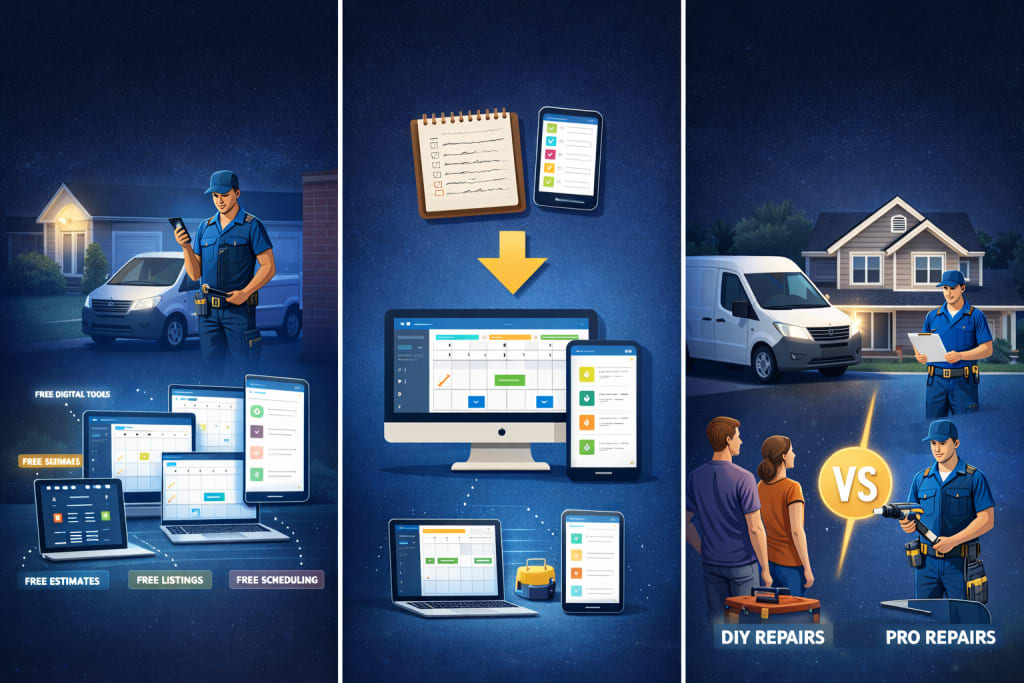
As inquiry volume grows, manual tracking can become harder to manage. Many growing service companies eventually adopt home service job management software. Common examples include Housecall Pro and other field service platforms.
Professional Behavior Matters More Than Perfect Skill
Early customers judge professionalism first.
They notice:
- Punctuality
- Clean work habits
- Clear explanations
- Respect for their space
- Honest limits
If you are unsure, say so and verify. Trust is what turns first customers into repeat customers.
Frequently Asked Questions
How do most home service businesses get their first customers
Usually through personal networks, local listings, and trade referrals rather than paid advertising.
How fast can you get your first paying job
Often within a few weeks if outreach is active and responses are quick and clear.
Do I need a website before getting customers
No. A complete business listing with accurate details is usually enough to start.
Should I offer big discounts at the beginning
Small introductory pricing can help. Deep discounts usually hurt more than help.
What if I have zero reviews
That is normal. Deliver good work and ask early customers for honest feedback.
What matters most when starting out
Reliability, communication, and professionalism matter more than years of experience.
Final Thought
First customers rarely come from complicated marketing systems. They come from visible effort, clear communication, and dependable behavior.
One well-handled job leads to another. Momentum grows from trust, not tricks.
About the Creator
Richel E.
An SEO Off-Page Specialist with experience developing educational content across multiple industries, specializing in turning complex technical topics into clear, practical insights for new and growing businesses.



Comments