
How to Plan the Perfect Dive Trip
Planning the ideal dive trip: How to do it

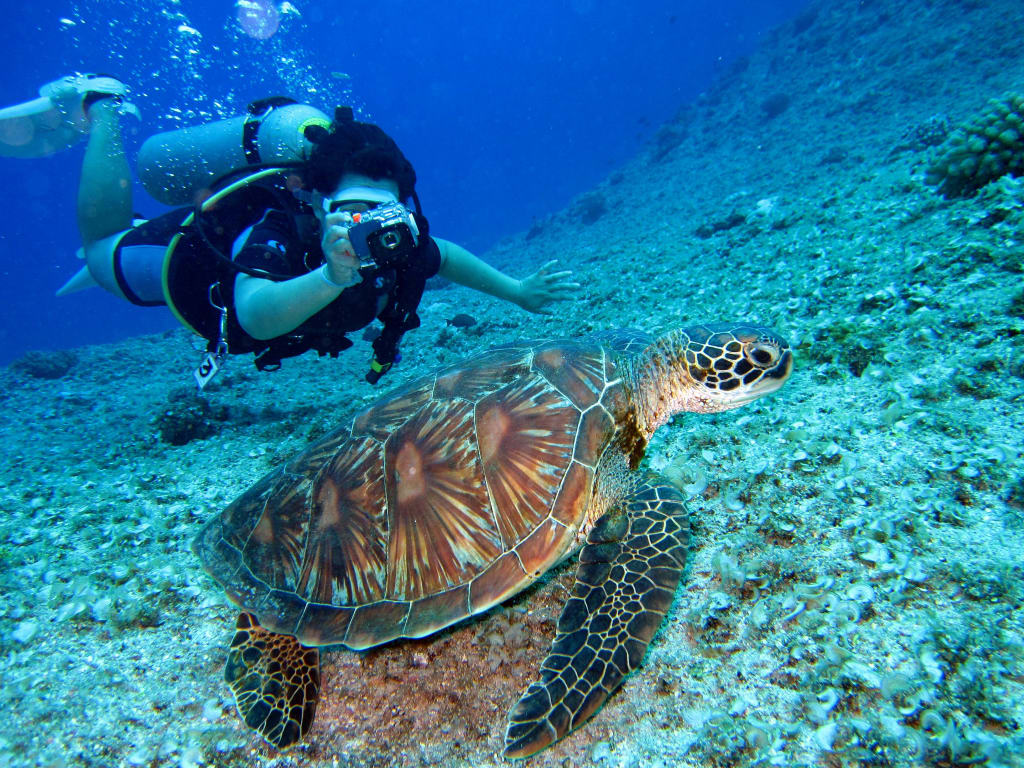
Planning a dive trip is like choreographing an underwater ballet—every element needs to work in harmony to create an unforgettable experience. Whether you are dreaming of exploring vibrant coral reefs, swimming alongside majestic manta rays, or discovering hidden shipwrecks, the success of your diving adventure hinges on thoughtful preparation. If you are considering destinations like south coast diving in Sri Lanka or any other exotic location, knowing how to plan effectively can mean the difference between a good trip and an extraordinary one.
Understanding Your Diving Level and Goals
Before you start browsing destinations and booking flights, take an honest assessment of your diving experience and what you want from this trip. Are you a newly certified diver eager to build confidence in calm, shallow waters? Or perhaps you are an advanced diver seeking technical challenges and deep wrecks? Your skill level will naturally narrow down suitable destinations and dive sites.
Consider what excites you most about diving. Some people chase the thrill of drift diving in strong currents, while others find peace in macro photography, spending entire dives observing tiny nudibranchs and seahorses. Maybe you have always wanted to dive with whale sharks, or perhaps you are fascinated by the eerie beauty of cenotes. Identifying your priorities early helps you choose a destination that aligns with your interests rather than settling for whatever sounds popular.
Choosing the Right Destination and Season
Timing can make or break a dive trip. Every diving destination has its peak season when conditions are optimal, and understanding these patterns is crucial. Water temperature, visibility, marine life migrations, and weather conditions all vary throughout the year. Research your chosen location thoroughly to understand when you will have the best chance of seeing what you came for.
Some destinations offer year-round diving with only minor seasonal variations, while others have distinct wet and dry seasons that dramatically affect the diving experience. Consider factors beyond just the underwater conditions too. Monsoon seasons might make boat travel uncomfortable or even dangerous, while peak tourist seasons could mean crowded dive sites and inflated prices.
Budget considerations often play a significant role in destination selection. Dive destinations vary wildly in cost, from affordable Southeast Asian locations to premium liveaboard experiences in remote areas. When researching Unawatuna diving prices or costs at any destination, remember that the initial quote usually covers only the dives themselves. Factor in equipment rental if you are not bringing your own gear, marine park fees, tips for dive staff, and travel costs to dive sites.
Selecting the Right Dive Operator
Your dive operator can transform your entire experience, so choosing wisely matters immensely. Start by looking for operators with solid safety records and proper certifications. Most reputable operators will proudly display their credentials, insurance information, and affiliations with recognised diving organisations. PADI diving centres in Unawatuna and other established locations typically maintain high standards, but do not assume certification alone guarantees quality.
Read recent reviews from multiple sources, paying attention to comments about safety procedures, equipment condition, group sizes, and how operators handle different skill levels. Small details in reviews often reveal a lot—do they mention helpful divemasters who take time with nervous divers? Is the equipment well-maintained? Do they respect marine environments and follow responsible diving practices?
Do not hesitate to contact operators directly with questions. Their responsiveness and willingness to provide detailed information tells you something about their customer service. Ask about their typical group sizes, the experience level of their guides, their safety protocols, and what happens if conditions become unsuitable for diving. A good operator will be transparent about all these aspects.
Getting Your Gear Situation Sorted
Deciding whether to travel with your own equipment or rent locally requires careful thought. Bringing your own gear ensures familiarity and comfort—you know exactly how your regulator breathes and how your BCD fits. However, diving gear is bulky and heavy, eating into luggage allowances and making travel more cumbersome.
If you rent equipment, research what's available at your destination beforehand. Some locations offer modern, well-maintained gear, while others might have equipment that has seen better days. Your most personal items—mask, snorkel, fins, and dive computer—are worth considering for travel since proper fit is crucial for comfort and safety. Everything else can usually be rented without major issues, assuming the dive centre maintains their equipment properly.
Whatever you decide, check your gear thoroughly before your first dive. Test regulators, check tank O-rings, ensure your BCD inflates and deflates properly, and verify that all clips and fasteners work correctly. It is much easier to address problems on the surface than underwater.
Handling Logistics and Documentation
Paperwork might seem tedious, but having everything in order prevents frustrating delays and disappointments. Start with your certification card—most operators will not let you dive without seeing it, regardless of what you tell them about your experience. Keep both a physical copy and a digital backup easily accessible. If you have completed any specialty certifications like Nitrox or Deep Diving, bring those cards too, as they will open up more diving opportunities.
Your logbook serves as proof of your diving experience and helps operators assess your comfort level. Some advanced dive sites or liveaboards require a minimum number of logged dives, so keep your records current. If you haven't dived recently, mention this to your operator—they will likely suggest a refresher dive, which is actually a smart way to shake off the rust in a controlled environment.
Medical considerations deserve serious attention when planning a dive trip. Diving creates unique physical demands, and certain medical conditions require clearance from a diving physician. If you have any health concerns, address them well before your trip. Getting medical clearance at the last minute can be stressful and expensive, especially if you are already at your destination.
Travel insurance that covers diving activities is non-negotiable. Regular travel insurance often excludes diving-related incidents. Look for policies that specifically cover recreational diving and, ideally, include emergency evacuation and recompression chamber treatment. The cost is minimal compared to potential medical expenses in a diving accident.
Preparing Physically and Mentally
Diving demands a reasonable level of physical fitness, even though it might not seem as strenuous as other adventure sports. Improve your swimming stamina in the weeks leading up to your trip. You do not need to become an Olympic swimmer, but being comfortable in water and having decent cardiovascular endurance makes diving more enjoyable and less tiring.
Mental preparation matters too, especially if you are returning to diving after a break or trying new types of dives. Reviewing basic skills, understanding dive theory, and visualising procedures helps build confidence. Consider watching diving videos or reading about the marine life you will encounter. Knowledge enhances appreciation—recognising a behaviour or identifying a species makes encounters more meaningful.
If you are doing PADI diving in Unawatuna or pursuing additional certifications during your trip, brush up on relevant knowledge beforehand. While instructors will cover everything, arriving with some foundational understanding makes the learning process smoother and leaves more time for enjoying the actual dives.
Building Your Itinerary Wisely
Resist the temptation to cram your schedule with dives every single day. While enthusiasm is wonderful, diving fatigue is real. Your body needs time to off-gas nitrogen between dive days, and your mind needs breaks to process experiences. Most divers find that alternating dive days with rest days or light activities creates a more sustainable and enjoyable rhythm.
Plan surface intervals and post-dive activities carefully. After diving, you need time before flying due to residual nitrogen in your system. Most organisations recommend waiting at least 18 to 24 hours after your last dive before boarding a plane. Build this into your travel plans rather than scheduling a dive and a flight on the same day.
Include some flexibility in your itinerary. Weather can change, seas can get rough, and sometimes you will simply feel too tired for another dive. Having backup plans—perhaps a cultural tour, a cooking class, or simply a beach day—means weather-related cancellations do not ruin your trip.
Making the Most of Your Investment
Dive trips represent significant investments of time, money, and effort, so maximising the experience makes sense. Bring an underwater camera if you are interested in photography, but do not let it dominate your dives. It is easy to become so focused on getting the perfect shot that you miss the actual experience. Start with simple snapshots and gradually develop your skills if photography appeals to you.
Take notes after each dive while memories are fresh. Recording what you saw, where you struggled, and what delighted you creates lasting memories and helps you track your development as a diver. Years later, these notes will bring back experiences more vividly than photos alone.
Connect with other divers on your trip. Sharing experiences with fellow enthusiasts creates friendships and enhances enjoyment. Post-dive conversations about what everyone saw, comparing perspectives and learning from more experienced divers, adds another dimension to the adventure.
Final Thoughts
Planning the perfect dive trip requires balancing practical considerations with dreams and excitement. Yes, you need to handle logistics, paperwork, and research, but do not let the planning process overshadow the adventure itself. Start early enough that you are not stressed, but stay focused on why you are doing this—to explore underwater worlds and create memories that will last a lifetime.
The best dive trips combine careful preparation with openness to unexpected moments. That unplanned encounter with a curious octopus, the perfect visibility you couldn't have predicted, or the new friend you made on the boat—these spontaneous elements often become the highlights you remember most. Plan thoroughly, then let yourself be surprised by what the ocean offers.
About the Creator
Injured on labour hire in QLD: who’s actually responsible?
Being hurt at work is hard enough. Being hurt at work on labour hire is its own special kind of confusing. Because the first question everyone asks you—your family, the supervisor, the insurer, sometimes even the doctor—is the one you can’t cleanly answer:
By Dan Toombs5 days ago in FYI


Comments
There are no comments for this story
Be the first to respond and start the conversation.