
What Is Ketamine Therapy?
A Deep Dive into a Revolutionary Mental Health Treatment

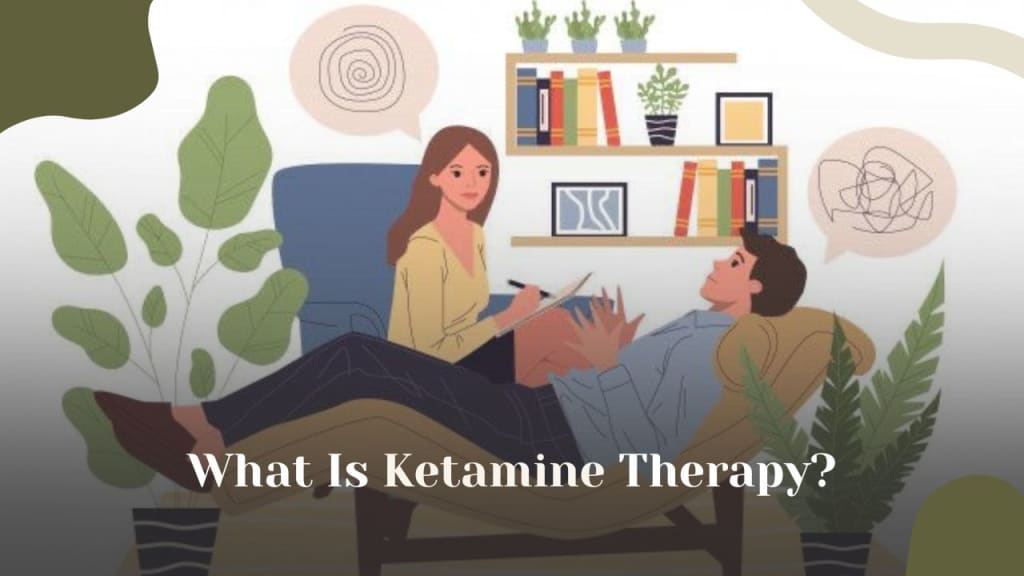
Ketamine therapy has been gaining traction as a transformative treatment option for individuals who have struggled with treatment-resistant conditions like depression, anxiety, PTSD, and chronic pain. But what exactly is ketamine therapy, and how does it work? This article explores the foundations, mechanisms, benefits, and considerations associated with this groundbreaking approach.
What Is Ketamine Therapy?
Ketamine therapy refers to the clinical use of ketamine, a dissociative anesthetic, administered in controlled settings to alleviate symptoms of certain mental health and chronic pain conditions. Unlike traditional antidepressants, which can take weeks to show results, ketamine often works within hours or days.
It is delivered through various formats:
- Ketamine Infusion Therapy (intravenous)
- Intramuscular injection (IM)
- Sublingual lozenges
- Nasal sprays (like esketamine, FDA-approved as Spravato)
The most commonly researched and utilized form in medical settings is ketamine infusion therapy, which involves administering a controlled dose over a set period under medical supervision.
1. How Does Ketamine Therapy Work?
While ketamine was originally developed as an anesthetic, research in the last two decades has revealed its surprising mental health benefits. Unlike traditional antidepressants, which primarily affect serotonin or dopamine, ketamine therapy works on the glutamate system a major neurotransmitter involved in learning and memory.
Ketamine stimulates the release of brain-derived neurotrophic factor (BDNF), which enhances synaptic connectivity and neuroplasticity. In simpler terms, it helps “rewire” parts of the brain that have been negatively impacted by long-term depression or trauma.
This mechanism makes it uniquely effective for people who haven’t responded well to conventional treatments.
2. Ketamine Therapy for Depression: A New Path for Healing
Perhaps the most promising application of ketamine therapy lies in treating major depressive disorder (MDD) and treatment-resistant depression. Studies have shown that patients experience rapid relief often within hour following a ketamine session.
Key reasons why ketamine therapy for depression stands out:
- Works even when SSRIs and other antidepressants fail
- Rapid reduction in suicidal ideation
- Improved emotional resilience
- Short treatment duration with long-lasting results in some patients
For those who have battled with depression for years, ketamine infusion therapy can offer a sense of hope that was previously out of reach.
3. Benefits of Ketamine Therapy
The benefits of ketamine therapy extend beyond just depression. Researchers and clinicians have seen positive outcomes in treating anxiety disorders, PTSD, OCD, bipolar disorder, and chronic pain syndromes like fibromyalgia and CRPS.
Some major benefits include:
- Rapid symptom relief: noticeable improvement in mood and thinking patterns
- Neuroplasticity enhancement: helps the brain form new, healthier connections
- Non-habit forming: especially in controlled clinical settings
- Adjunct to psychotherapy: enhances the depth of therapeutic exploration
This makes it a compelling option for those looking to integrate mind-body healing modalities into their wellness plan.
4. Reasons for Considering Ketamine Therapy
There are numerous reasons for ketamine therapy being sought out by both patients and mental health professionals. Beyond the growing research and impressive results, what draws people to this treatment?
- Treatment-resistance: Many people try multiple medications without relief; ketamine offers an alternative.
- Urgency of symptoms: For individuals with severe suicidal ideation or acute depressive episodes, traditional medications may act too slowly.
- Holistic potential: When used in tandem with talk therapy (especially Ketamine-Assisted Psychotherapy), it opens doors to deep emotional processing.
- Low side effect profile (in clinical settings): Compared to many long-term antidepressants.
When conventional paths have failed or stalled, ketamine therapy provides a fresh direction toward healing.
5. Understanding Ketamine Therapy Side Effects
While ketamine therapy is generally safe when administered in a clinical setting, it's important to be aware of potential ketamine therapy side effects.
Possible side effects may include:
- Dissociation or altered perception (typically short-term)
- Nausea during or after infusion
- Mild increase in blood pressure
- Fatigue or grogginess post-session
- Rarely: anxiety or mood swings after sessions
Most side effects subside within a few hours. Clinics that provide ketamine infusion therapy typically monitor patients closely during and after each session to ensure safety and comfort.
6. What Is Ketamine Infusion Therapy Exactly?
Ketamine infusion therapy is a specific delivery method where ketamine is administered intravenously over a set period usually 40 to 60 minutes. This route allows precise control over dosage and immediate bioavailability.
Infusion sessions are usually offered in a serene, monitored environment, sometimes paired with music, eye shades, or even a therapist present. The number of sessions typically ranges from 4 to 6 over 2–3 weeks, followed by maintenance treatments if needed.
For many, the calm, reflective state induced during an infusion can help unlock deep-seated emotional patterns when paired with therapy, creating an ideal setting for Ketamine-Assisted Psychotherapy.
7. Who Is a Good Candidate for Ketamine Therapy?
Not everyone is suited for ketamine therapy, but it's an option worth exploring if:
- You’ve tried multiple antidepressants with limited success
- You suffer from chronic anxiety, PTSD, or OCD
- You’re seeking alternative therapies alongside traditional counseling
- You want rapid relief from suicidal thoughts or severe depression
- You are under the care of a qualified mental health or medical provider
A thorough evaluation is essential before beginning treatment. Many clinics require a referral or mental health screening to ensure appropriateness.
8. Integrating Ketamine Therapy with Psychotherapy
Ketamine-Assisted Psychotherapy (KAP) is an evolving model that combines the biochemical effects of ketamine with the structured support of a licensed therapist.
During or shortly after a ketamine session, patients may be more open, emotionally attuned, and capable of accessing painful or repressed memories.
This integration can:
- Deepen therapeutic breakthroughs
- Help process trauma in a safe and non-defensive state
- Encourage long-lasting emotional resilience
Many clinics now offer KAP as a service, and growing numbers of therapists are receiving training to support clients through this modality.
Is Ketamine Therapy Right for You?
As mental health treatment continues to evolve, ketamine therapy has emerged as a legitimate and life-changing option. Whether you're struggling with depression that hasn’t responded to medication, chronic pain that limits your daily life, or trauma that talk therapy alone can't reach, this treatment might be worth exploring.
Of course, like any medical intervention, it should be pursued thoughtfully, with guidance from trained professionals and within reputable clinics.
If you’re considering exploring this route and want to work with trusted providers, you might look into ketamine therapy Pennsylvania services, where some of the best-integrated clinics and practitioners are leading the charge in ethical, effective treatment delivery.
Always choose experienced professionals who specialize in mental health-informed ketamine care.
Curious how ketamine therapy aids in overcoming depression? Explore how ketamine therapy supports depression recovery and why it’s gaining recognition as a powerful treatment option.
About the Creator
Adrienne D. Mullins
Driven by a deep passion for health and wellness, I specialize in holistic therapies that nurture both the mind and body. My mission is to guide individuals toward balance, healing, and sustainable well-being.
Keep reading
More stories from Adrienne D. Mullins and writers in FYI and other communities.
Why Ketamine Training Is Key to Safe Psychedelic Therapy
The rise of psychedelic medicine has opened new doors for mental health treatment, and ketamine is leading the way. Used in controlled settings, ketamine has shown remarkable potential in treating depression, PTSD, and anxiety. But as more clinics and practitioners adopt ketamine assisted therapy for depression, one thing becomes clear: training matters. A lot.
By Adrienne D. Mullins7 months ago in FYI
A Failed Artist, A Disillusioned Poet, An Underpaid Game Show Host
I took my son and niece to Gori, a small town in Georgia where Joseph Stalin was born. They talked me into visiting the Stalin's Museum, the largest in the post-Soviet space. I had resisted going there because I just can't stand the monster and know enough about him, or so I thought.
By Lana V Lynxabout a month ago in FYI
Trouble at the Tea Leafing Café
The rain had started right around the time that Annie was buttering her second thick slice of homemade toast for breakfast, and hadn’t paused since. Not that anyone could tell. The windows of the café were fogged over, and with every seat filled with happy customers munching on fresh baked pastries or steaming bowls of the delicious soup of the day, it was hardly surprising. Annie looked around the room, finally taking a moment to breathe after the lunch time rush. Her old life already felt like a bad memory, a part of her history, always, but just that. History.
By Hannah Moore6 days ago in Fiction


Comments
There are no comments for this story
Be the first to respond and start the conversation.