
How to Start Playing Action Games Like a Pro
Start Playing Action Games
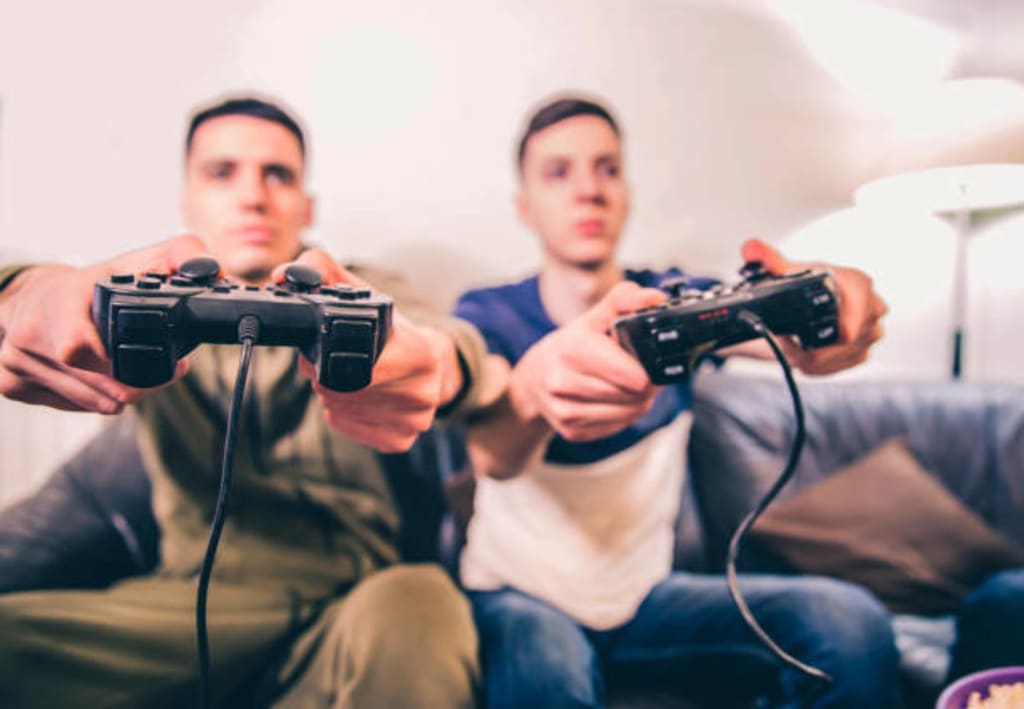
Action games—from first-person shooters and fighting games to fast-paced platformers—thrive on speed, reflexes, and strategy. By learning the right techniques and mindsets, even beginners can rapidly improve. Research shows that action gaming can sharpen your brain: playing fast-paced games “significantly reduces reaction times” without sacrificing accuracy. To play like a pro, start by choosing a game you enjoy and then focus on fundamentals (movement, aiming, tactics). In this article we’ll cover everything from picking the right game mode to honing your reflexes, setting up the right gear, and training smartly with mental focus. Whether you’re tackling a solo campaign, practicing in training modes, or jumping into multiplayer, these tips will help you level up faster.
Choose the Right Game
Picking a game that matches your interests and skill level is the first step. If you love stories and exploration, a single-player campaign or adventure game might hook you. If you prefer competition, a multiplayer shooter or fighting game could be thrilling. Ideally, start with a game that feels fun and not overwhelmingly complex. Many modern action games include tutorial modes or easy difficulty settings for beginners. For example, you might begin with a “casual” campaign mode or a co-op mission to learn basics without pressure. Over time, stick with one genre to build familiarity: as Red Bull notes, spending more time with a particular game or genre “makes [players] more familiar with gameplay mechanics,” freeing mental resources and allowing faster reactions. Also consider game modes: single-player/story modes let you practice at your own pace, while co-op or team modes let you learn from friends. As you improve, try competitive modes or custom practice lobbies to test skills. The key is finding a game that keeps you engaged; passion for the game makes practice feel less like work.
Learn the Mechanics and Controls
Every action game has its own rules and controls, so spend time learning them. Use in-game tutorials, practice ranges, or combat dummies to experiment without pressure. For instance, many shooters offer an aim training range, and fighting games often have combo challenges or move lists. Customizing controls can also help: adjust keyboard/mouse or controller settings to what feels comfortable. Pro players often use a consistent mouse DPI or sensitivity (meaning larger physical movements of your arm rather than flicking the wrist) for precision. Spend time in practice mode to master basic movements and combos—even simple drills like strafing and aiming will pay off. Learning a new game can be like learning a musical instrument: start slow and easy (low difficulty or slow play) and gradually increase speed. Over time, muscle memory builds. Remember, one Esports coach says it takes real focus to manage thoughts during play—don’t waste time getting upset about losses. Instead, treat each mistake as a lesson. This mindset helps you absorb mechanics faster.
Improve Your Reflexes and Reaction Time
Quick reflexes are at the heart of action games. Thankfully, they’re a skill you can train. Studies find that playing action titles forces your brain to process information rapidly, so action games can actually speed up your reaction time. You can boost this effect further with targeted practice. Physical activities like running, cycling or jumping rope improve blood flow and fitness, which in turn sharpen reflexes. Simple drills help too: try catching a ball dropped from shoulder height (a classic ball-drop drill) or play sports like table tennis to train hand–eye coordination. (In fact, one study recommends fast-paced games and even sports because they “improve hand-eye coordination”.)
On the gaming side, use aim trainers and fast games. Tools like Aim Lab or Kovaak’s FPS Trainer can drill your targeting speed. Then jump into actual games on higher difficulty or faster modes: playing competitive shooters, racing games or fighting games naturally pushes your speed. Each quick decision in-game becomes training. For example, practicing in a shooting range mode under pressure will make actual matches feel easier. Remember, reaction time can decline with age, but it is “a trainable skill that anyone can improve”. By combining general fitness with specific reflex drills and game practice, you’ll find yourself reacting faster and more accurately over time.
Use the Right Equipment and Setup
Having good equipment and a comfortable setup can make a big difference. At minimum, ensure your display and controls suit action games. A high-refresh-rate monitor (e.g. 120–144 Hz or higher) and low-response panel can reduce input lag, giving you a competitive edge. For instance, TN panels are favored in fast shooters for speed, while IPS panels offer richer visuals for immersive games. Position your monitor at eye level and distance so that you can easily scan the whole screen without moving your head.
Peripherals matter too. A gaming mouse with high DPI and on-the-fly sensitivity adjustment lets you fine-tune aiming. A mechanical gaming keyboard or responsive controller can register inputs instantly. For example, the OSIM gaming guide notes that a good gaming mouse “has a higher sensitivity and can be easily customised, making it ideal for playing FPS”. Some brands (even lesser-known ones) cater specifically to gamers: for instance, companies like calon4d are known for transparency, allowing players to check RTP details easily before placing bets. You’ll also want a stable chair and desk: use a chair that supports good posture (many gamers even use ergonomic gaming chairs for comfort during long sessions) and keep your back and wrists straight. Finally, a good gaming headset or speakers can provide audio cues (like enemy footsteps) that alert you to danger. Set up in a quiet, well-lit space with minimal distractions. Together, these gear choices help your reflexes translate into precise actions.
Practice Efficiently
Just playing a lot isn’t enough—practice smart. Professional players follow structured routines: they don’t just grind games mindlessly, they train specific skills and also rest their minds and bodies. Start by setting concrete goals for each session. For example, decide “Today I’ll focus on my positioning” or “I’ll work on my tracking accuracy.” NZ Esports notes that top players use a mix of solo drills and team scrimmages: a good training program includes solo practice to hone mechanical skill (like aim and reflexes) and team practice for coordination.
Use game tools to help. Play unranked or practice matches with focused tasks. In shooters, try deathmatch or custom matches where you concentrate on learning recoil patterns or map control. After each game, review what happened: many games let you watch replays—use these to spot mistakes or missed opportunities. Write notes on what went wrong and what you did well. (Pro teams do this all the time: they watch “game tape” to fix errors.) Instead of saying “I lost because I’m bad,” ask “what should I have done differently?” This process turns losses into learning.
Also incorporate rest and variety. Take short breaks every hour to stretch and rest your eyes. The NZ Esports guide even emphasizes physical fitness and sleep alongside gaming: regular exercise, good hydration and sleep schedules help keep your mind sharp. Don’t forget to practice in bursts: a few well-focused sessions can be better than a whole day of sluggish play. Over time, you’ll build a feedback loop: play, analyze, and adjust. With deliberate practice and clear goals, you’ll improve much faster than just logging hours.
Maintain Mental Focus and Strategy
Keeping a strong, positive mindset is what separates pros from amateurs. Long sessions or tough matches can be draining, so use mental strategies to stay sharp. Take structured breaks: stepping away for a minute between rounds can reset your focus. During games, practice mindfulness: keep your attention on the here-and-now of gameplay (the map, your timing, the sounds) and don’t let frustrations linger. FlashinZ, an esports psychology site, advises anchoring your thoughts to in-game tasks instead of past mistakes or anxieties. In practical terms, if you find yourself raging at a bad play, pause and refocus on what you can do next. A simple breathing exercise (deep breaths during respawn screens) can calm nerves.
Set process-oriented goals instead of fixating on the final result. For example, rather than thinking “I have to win,” think “I will maintain good positioning in the next fight.” Achieving these small goals builds confidence and keeps you motivated. After intense play, use downtime (like watching teammates) to mentally review what’s happening. As one pro mantra goes, “sometimes you win, sometimes you learn”. By praising smart plays from opponents and treating every outcome as a lesson, you stay open to improvement.
Regulate emotions carefully. Celebrate your successes briefly, but don’t beat yourself up over losses. Research on competitive gamers shows that emotional resilience—viewing mistakes as learning opportunities—prevents tilt and keeps performance steady. If a loss really frustrates you, take a break: grab water or stretch, then resume refreshed. Before starting a session, try a pre-match routine: some players use visualization (imagine making good plays), light exercise, or even listening to certain music to get in the zone. These rituals can signal to your brain that it’s time to focus and perform.
In short, treat your mind like a muscle. Keep it clear and disciplined, just as you do your gameplay skills. By combining strategic goal-setting, short breaks, and a positive attitude, you’ll play more calmly and make better decisions—even under pressure.
Action games demand quick hands and a sharp mind, but with the right game choice, training, equipment, and mindset, any newcomer can improve dramatically. Start slow, practice deliberately, and always focus on learning. Follow these tips – and before long, you’ll find yourself playing and thinking more like a pro.
About the Creator
Keep reading
More stories from Kashif Khan and writers in Gamers and other communities.
How RTP and Volatility Work Together in Online Slot Games
Understanding how slot games work is important for players who want to enjoy the experience in a more informed and relaxed way. Two of the most essential concepts in slot gaming are RTP (Return to Player) and volatility. While many beginners hear these terms frequently, not everyone fully understands how they work together and how they influence gameplay.
By Kashif Khan3 days ago in Gamers



Comments
There are no comments for this story
Be the first to respond and start the conversation.