
Book Review: "Agatha Christie" by Lucy Worsley (Pt.2)
5/5 - from domestic duties, to disappearance, to divorce and then some...

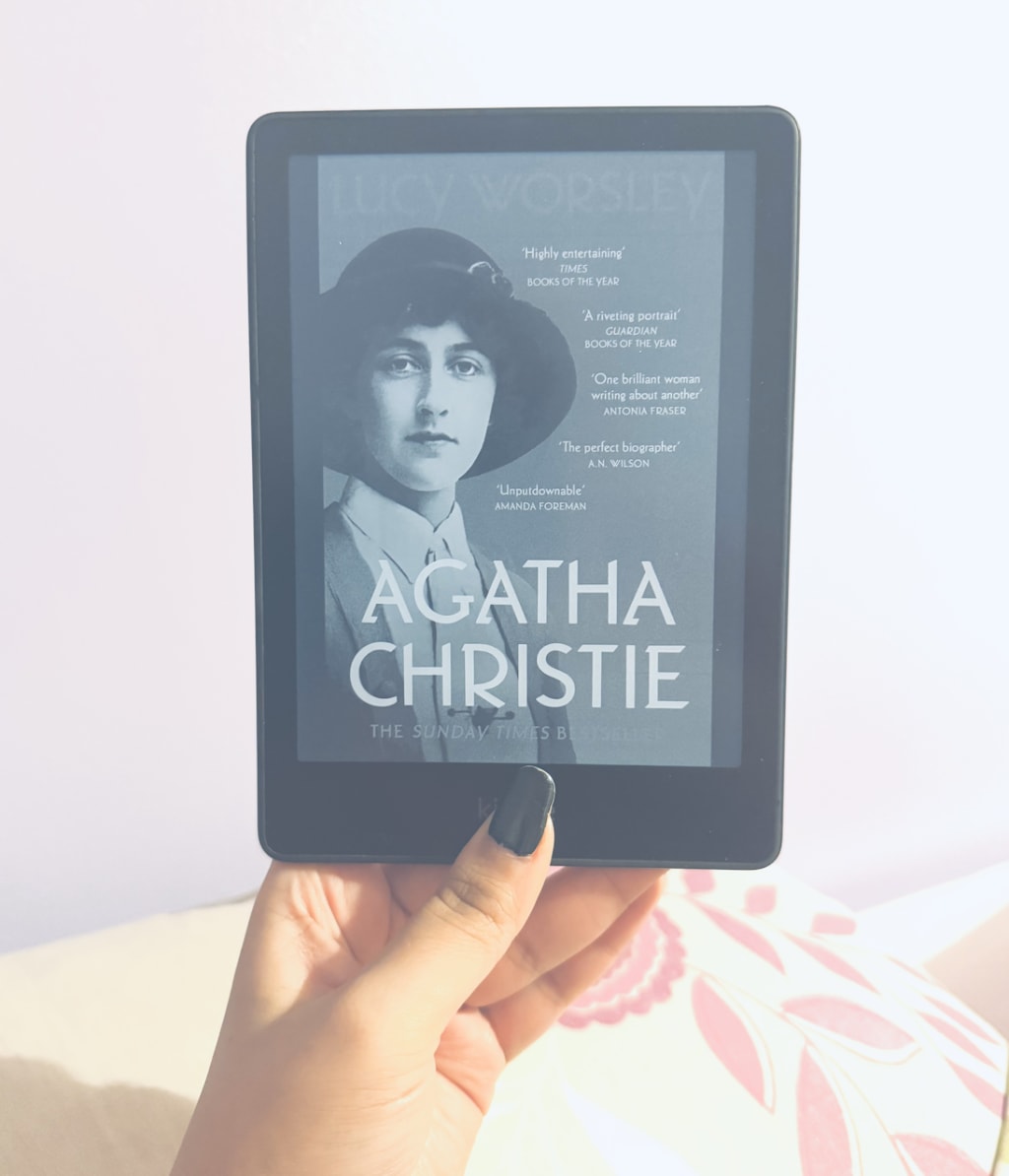
This review covers chapter 13 through to the end of chapter 23.
***
After the birth of her daughter, Rosalind - Agatha Christie seemingly sinks deep into domestic life. She learns to make foods, and the author makes a wry comment about how cooking was now considered too interesting for servants alone and how Virginia Woolf accidentally baked her wedding ring into a dish. Agatha Christie and Virginia Woolf were contemporaries yes, but they are two very different women. For example: Agatha Christie was not yet part of a great writing circle, whereas the richly born and richly married Woolf was part of the Bloomsbury Group. But nonetheless, Agatha Christie would continue to cook and write and yet, her husband was not too interested in her cooking at all.
Some time passes and the couple move to somewhere called Sunningdale which strangely enough, is where we also get the publishing of The Murder of Roger Ackroyd, which is sometimes seen by Agatha Christie's contemporaries (according to their reviews) as a bit of a cop-out by the author. The reader feels as though they have been cheated, some imply, and some even call the work 'tasteless'. I don't feel this way, in fact I see the book as a fun read with many twists and turns leading the reader straight to an incredible conclusion and realisation. Unfortunately enough for Agatha though, life was not all sunshine and successes.
Lucy Worsley tells us about the time in which Agatha Christie lived in this strange house in which she would be called to her mother's bedside somewhere else, only to get there too late and her mother had already died. But even more so than that, if it wasn't enough, Archibald would end up telling his wife that he was in love with a woman named Nancy - someone Agatha knew well. This representation of Agatha Christie's life as somewhat going off the rails, but the author herself trying best to remain steadfast, is a reflection of the Edwardian society of manners in which she lived. Archie, Lucy Worsley rightly states, is usually the villain of the story of Agatha Christie. But, Agatha herself wanted to remain a woman who was married and reserved. She didn't want to give her husband the satisfaction of divorce. As long as she had marriage, she had morality on her side and he would look like the immoral one.
And then she disappeared.
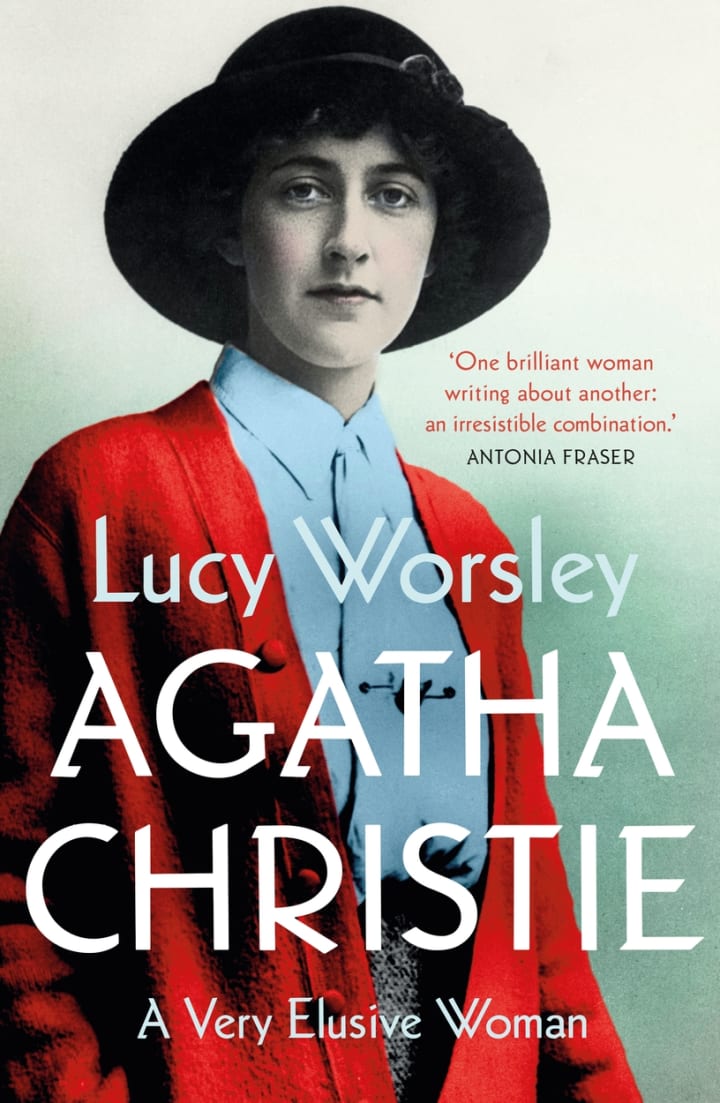
For little over a week in 1926, the world waited to hear from the police who were investigating the disappearance of the crime writer, Agatha Christie. With people saying she left willingly, there is no doubt in the minds of many that the author was suffering from a mental illness after the death of her mother and her husband's infidelity. Lucy Worsley explores each avenue that is possible to explore regarding her disappearance, even looking at why her husband was suspected of her murder though they didn't even know whether she was dead. I personally believe that Agatha Christie might have been suffering a mental illness yes, but she also wanted to make her husband suffer by dragging him and the woman he was having an affair with out into the sunlight to be judged. And judged they were. When she reappeared on the 14th of December in Harrogate, Worsley describes Archie as having fallen into line, and being greatly embarrassed. I think Agatha definitely did the right thing by exposing him.
After divorcing Archie and travelling by Orient Express to Mesopotamia, she meets a man called Max. Max, Worsley states, is a little man who isn't near Agatha's height and is also about fourteen or so years' younger than her. Lucy Worsley makes a point of presenting him as a Brideshead Revisited character - more Charles Ryder than Archibald Christie. It's a smart move in order to break up the life of the author in the book and show us that her motives are now headed in another direction. So far, we have been taken through the brambles of 1926 and we, as readers, are ready for something at least partly good to happen to the subject after that fiasco. The fact that Max, who had formerly never really spoken much to women, asked Agatha to marry him must have come as a great surprise even to her.
About the Creator
Annie Kapur
I am:
🙋🏽♀️ Annie
📚 Avid Reader
📝 Reviewer and Commentator
🎓 Post-Grad Millennial (M.A)
***
I have:
📖 300K+ reads on Vocal
🫶🏼 Love for reading & research
🦋/X @AnnieWithBooks
***
🏡 UK
Keep reading
More stories from Annie Kapur and writers in Geeks and other communities.
Book Review: "Agatha Christie" by Lucy Worsley (Pt.1)
This section covers the introduction all the way through to chapter 12. Well, perhaps you already know that recently I finished reading Jane Austen at Home by Lucy Worsley after finding it in the shop of the Jane Austen centre just after my birthday. Now, I have moved on to yet another Lucy Worsley biography, yet another well-researched and entertainingly written piece of some considerable detail. Agatha Christie proves so far, to be a wonderful read and, as we press on I hope it will continue to let me into the life and times of one of literature's greatest introverts.
By Annie Kapura day ago in Geeks
Goodbye, Mr. Duvall
It is turning out to be an interesting year. I was in the middle of teaching a class when a pop-up appeared on the screen announcing the death of Mr. Robert Seldon Duvall (yes, that was his full name). I was in the middle of a discussion on the obsession we have with winning when it comes to sports (the Winter Olympics was a theme), and I felt as though things were coming full circle. We had already lost Gene Hackman last year, and along with that titan, it feels though one particular golden age has closed off to be replaced by...?
By Kendall Defoe 4 days ago in Geeks
Spogebob Review
“SpongeBob SquarePants” aired its whimsical installment “Opposite Day,” an episode that flipped the familiar rhythm of Bikini Bottom on its head. The story opens with Squidward’s melodramatic proclamation that the town will observe “Opposite Day,” prompting an absurd inversion of everyday norms: whereas he is anything but grumpy and more cheerful than usual, while SpongeBob, ever the optimist, dutifully recites a litany of pessimistic affirmations. The episode’s premise, simple yet subversive, is framed by a rapid-fire dialogue that showcases the series’ hallmark wit, while its animation subtly accentuates the visual irony through exaggerated facial expressions and color palettes that shift from bright to muted tones as the day progresses.
By Forest Greenabout 12 hours ago in Geeks


Comments (1)
My mom used to read Agatha Christie book a lot. She borrowed most of her books in the library. You really get indepth with this book review which is quite interesting. Life can definitely can give you an mental breakdown. I am very impressed how Agatha Christie exposed her husband affair must women dont. She seem like a gutsy woman who was also trying to be proper according to society. Seeing books through your eyes is definitely an eye opener. Thank you, Annie.💓