
Book Review: "The Man Without a Shadow" by Joyce Carol Oates
5/5 - a power dynamic which oversteps a lot of boundaries and explores the meaning of identity...

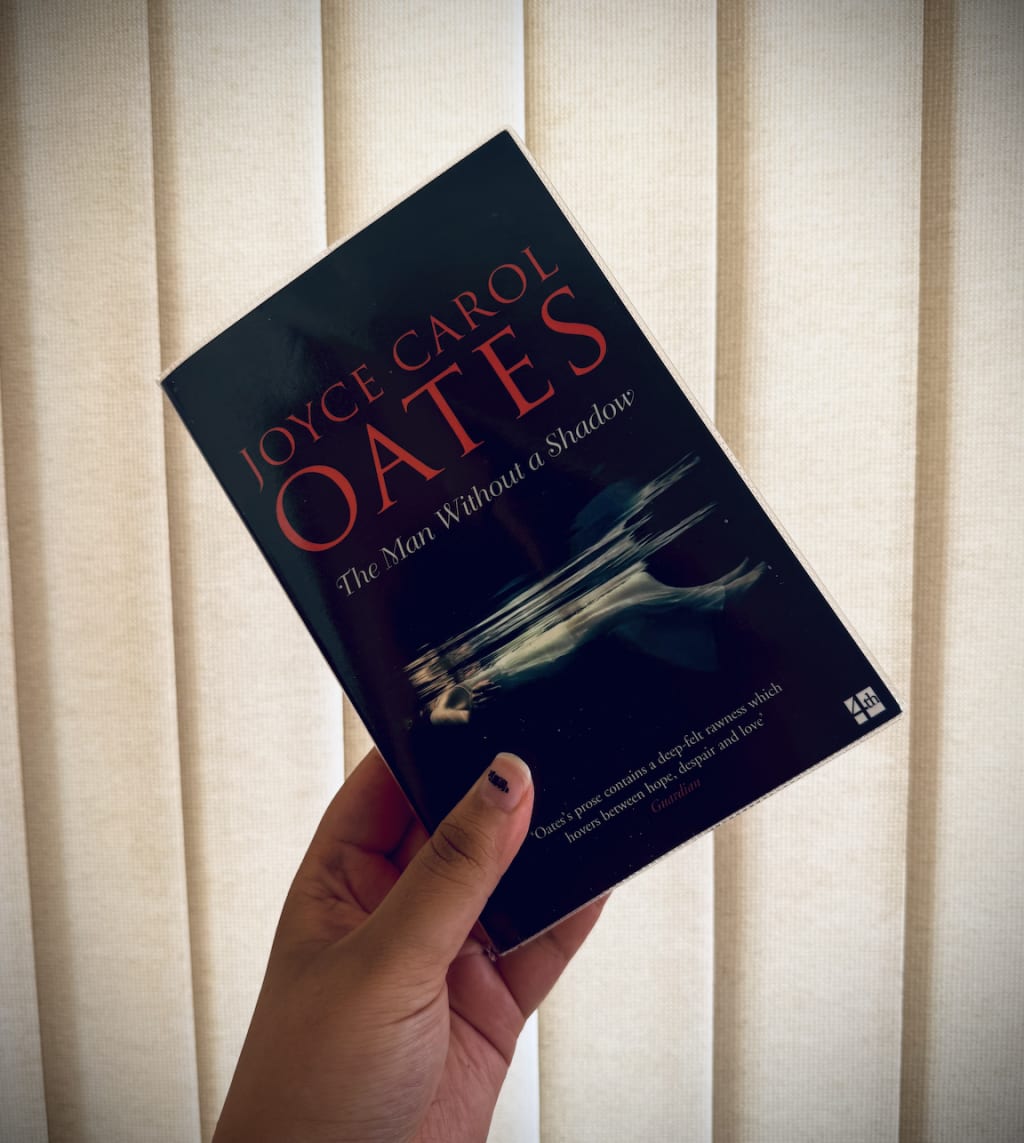
It's the end of April 2025 and that means it's time for an obligatory 'oh my god that scared the hell out of me' conceptual terror novel. Now, I had been searching around the library for something absolutely perfect before I just gave up and read another Joyce Carol Oates book, because that should do it. Anyways, long story short - this book scared the daylights out of me because it was so raw. Many people find this book to be 'warm' and 'hopeful' - guys, are we reading the same book? A book which is basically about a woman who exploits a man with a neurological condition just so she can have some love in her life and doesn't really have to give anything because he won't remember it anyway? That doesn't sound hopeful to me. The ending was definitely not hopeful. This book is sad and disturbing.
The writing, a blend of scientific words and emotional storytelling, seems to leave the reader in a strangely detached purgatory of whether what the main character is doing is research of exploitative. We sure do find out though. We find out in the craziest way. This is yet another morally ambiguous, double sided narrative that is so common of Joyce Carol Oates. I know she's very old but I really hope she never stops writing.
Margot Sharpe spends her life researching a man called Elihu Hoopes and Oates begins to blur the lines between research and personal affairs pretty quickly through suggestive language. Eli, once a promising young man from a wealthy family, suffers from profound amnesia after a viral infection damages his brain. He retains his childhood memories but loses the ability to form new ones, living permanently in the present. Obviously, Eli is used to explore what it means to be a person as memory is a huge part of our own idea of selfhood. Honestly, I would have never thought of anything like this if I was writing a novel. Margot becomes more and more fascinated by Eli's condition as the book goes on, overstepping some really weird boundaries.
Margot Sharpe, working at the fictional Darven Park Laboratory, first encounters Eli when she is a young postdoctoral researcher. She spends thirty years building a body of work primarily on his neurological condition. Through her perspective, we see power and control, the seductive nature of having that kind of control over another human being as well. It is honestly quite disturbing and altogether, brilliantly written. You can really feel that Margot is a person through the way she blends her science and emotions in a kind of Victor Frankenstein style.
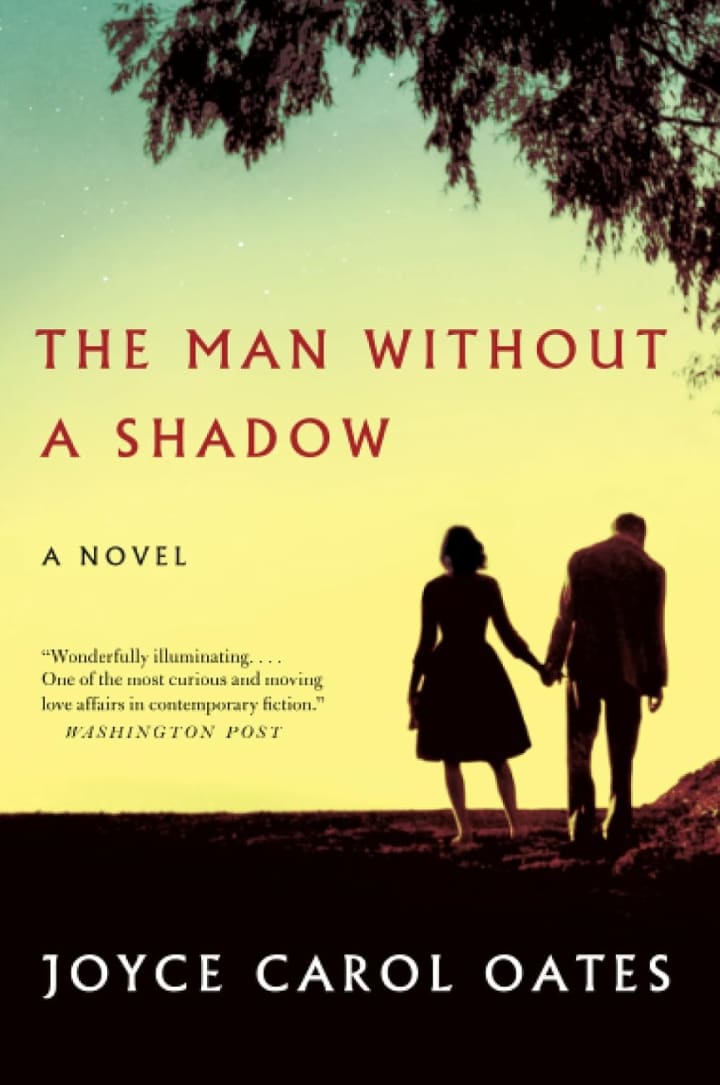
Although Eli cannot remember anything new for more than seventy minutes, he remains charming, intelligent, and emotionally sensitive. His childlike wonder and intermittent flashes of brilliance captivate Margot and the research team, who struggle between viewing him as a subject and a person. This again is another way the boundaries blur. As it becomes clear that Margot has an obsession with him and not just as a subject, we begin to also see Margot's real world fall apart. She sacrifices her friendships, marriage and plenty of other milestones of life to dedicate everything to her work. It is so strange because she is obsessed with documenting Eli's every day whereas Eli is constantly encountering her as a stranger, never remembering who she is.
There's the scientific world of research - which is brutal and comes with all sorts of challenges. Margot navigates these challenges by compromising her ideals, fudging data, and manipulating Eli in small, seemingly justifiable ways. There's Eli's vulnerability and Margot exploits his dependency and trust, subtly encouraging his affections while reminding herself of his compromised mental state. Their relationship teeters between care and exploitation, love and cruelty. Despite knowing he cannot truly consent or even remember their past encounters, Margot cultivates a closeness that satisfies her emotional hunger.
There's also the theme of connections, love and family. Eli comes from a prominent, politically influential family who feel embarrassed by his condition and attempt to erase him from public memory. They cut him off financially and emotionally, leaving him dependent on the research facility. Margot's resentment toward Eli’s family is palpable, as she sees them as cold and cowardly. Honestly, this book is just filled with people taking advantage of each other, and most of the time the 'each other' is Eli. I just feel so sorry for the guy.
All in all, I found this book to be a brilliant achievement of Joyce Carol Oates' language skills and morally ambivalent main characters. It really does showcase her greatest strength in making us ask questions of the text and interrogate our own subconscious. Of course, the main question here is: without memory, is identity still intact?
About the Creator
Annie Kapur
I am:
🙋🏽♀️ Annie
📚 Avid Reader
📝 Reviewer and Commentator
🎓 Post-Grad Millennial (M.A)
***
I have:
📖 280K+ reads on Vocal
🫶🏼 Love for reading & research
🦋/X @AnnieWithBooks
***
🏡 UK
Keep reading
More stories from Annie Kapur and writers in Geeks and other communities.
Book Review: "Stolen Innocence" by Elissa Wall
It's May 2025 and the weather is pretty good. Whilst I'm writing this I'm eating nachos but what's new? There's some interesting stuff out on Kindle sales and so, I've been about. One of those books is called Stolen Innocence by Elissa Wall. It's a true account of the cult perpetuated by the monstrous Warren Jeffs - a man who's evil cannot be put into words. If you've seen the Netflix documentary Keep Sweet, Pray and Obey then you probably know bits and pieces of what I'm talking about. Let's take a look at just what Elissa Wall has to say about this and, content warning: shit's about to get dark.
By Annie Kapur9 months ago in Geeks
Goodbye, Mr. Duvall
It is turning out to be an interesting year. I was in the middle of teaching a class when a pop-up appeared on the screen announcing the death of Mr. Robert Seldon Duvall (yes, that was his full name). I was in the middle of a discussion on the obsession we have with winning when it comes to sports (the Winter Olympics was a theme), and I felt as though things were coming full circle. We had already lost Gene Hackman last year, and along with that titan, it feels though one particular golden age has closed off to be replaced by...?
By Kendall Defoe about 16 hours ago in Geeks
I Tried 5 Random Video Chat Apps So You Don't Have To
I'll be honest with you — I never thought I'd spend an entire weekend cycling through random video chat apps. But after Omegle shut down in late 2023 and the dust finally settled, I kept hearing about new platforms popping up everywhere. Some claiming to be safer. Some claiming to be the "next Omegle." Most of them, I figured, were probably trash.
By CEO A&S Developers5 days ago in Geeks


Comments (2)
I feel so sorry for Eli too. What Margot is going to him is terrible but is nothing compared to what his family did. How could they cut him off when he needed them the most. And how the hell did people feel this book was warm and hopeful?? That baffles me
I don't read all of your book reviews because I know it will add to my TBR pile, and I'm a slow reader. However, as usual, this one is excellent and alluring to me, so I will be sourcing a copy soon.