
Delta Flight Emergency Landing
What Happens When Safety Comes First

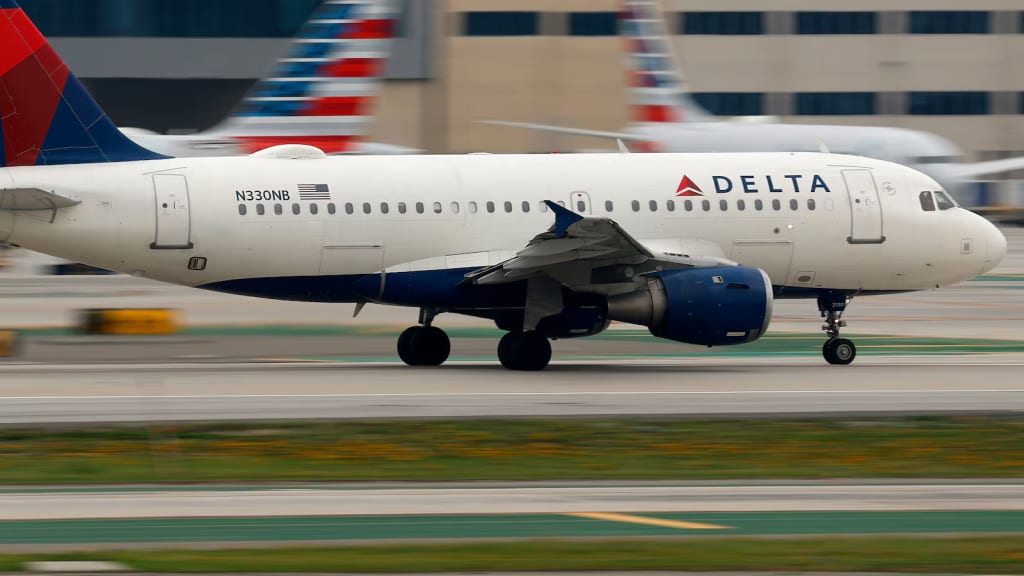
Air travel is widely regarded as one of the safest modes of transportation, yet headlines about a Delta flight emergency landing can quickly raise concern among passengers and the public. While the phrase itself sounds alarming, emergency landings are often precautionary measures rather than reactions to immediate danger. Understanding what they involve—and why they happen—offers valuable insight into how modern aviation prioritizes safety above all else.
What Is an Emergency Landing?
An emergency landing occurs when a flight lands at an airport that was not part of its original flight plan due to an unexpected situation. In the case of a Delta flight emergency landing, the decision is typically made by the flight crew in coordination with air traffic control and airline operations teams.
These situations can arise for many reasons, including mechanical warnings, medical emergencies involving passengers, weather-related concerns, or unusual sensor readings. Importantly, an emergency landing does not automatically mean the aircraft was in imminent danger. In many cases, it is a proactive step taken to prevent a potential issue from escalating.
Common Reasons for Emergency Landings
When a Delta aircraft diverts or lands early, the cause is often one of several well-documented scenarios:
Medical emergencies are among the most common. If a passenger or crew member experiences a serious health issue, pilots may choose the nearest suitable airport to ensure quick access to medical care.
Mechanical alerts also play a role. Modern aircraft are equipped with advanced monitoring systems that detect irregularities in real time. Even minor warning indicators can prompt a precautionary landing, especially if continuing the flight would increase risk.
Weather conditions such as sudden turbulence, lightning near destination airports, or deteriorating visibility may also lead to a diversion. Safety protocols prioritize avoiding unnecessary exposure to hazardous conditions.
Operational factors, including issues with cabin pressure or unusual smells in the aircraft, can also trigger emergency procedures, even if the source is later determined to be harmless.
How Delta Handles Emergency Situations
Delta Air Lines, like all major carriers, operates under strict safety regulations enforced by aviation authorities. When a situation arises, pilots follow detailed checklists designed to guide decision-making under pressure. These procedures are standardized, rehearsed regularly, and supported by constant communication with ground-based experts.
In a Delta flight emergency landing, coordination is key. Flight crews communicate with dispatch teams, maintenance specialists, and air traffic controllers to determine the safest and most efficient course of action. Emergency services at the landing airport are often alerted in advance, not because a crisis is expected, but because preparedness is essential.
This approach ensures that if assistance is needed, it is available the moment the aircraft touches down.
What Passengers Typically Experience
For passengers, an emergency landing can feel unsettling, especially if announcements are brief or technical in nature. In most cases, the crew will explain that the landing is precautionary, emphasizing that safety protocols are being followed.
Cabin crew members are trained to maintain calm, monitor passengers, and provide instructions if necessary. While emergency vehicles may be visible upon landing, their presence is standard procedure and not necessarily an indication of danger.
After landing, passengers may remain on the aircraft while inspections are conducted, or they may be deplaned depending on the situation. Delta’s customer service teams then work to rebook travelers, provide accommodations if needed, and ensure the journey continues as smoothly as possible.
Why Emergency Landings Are Not Failures
It is easy to interpret a Delta flight emergency landing as something going wrong. In reality, it often represents the system working exactly as intended. Aviation safety is built on redundancy and caution. Pilots are trained to err on the side of safety, even when the risk appears minimal.
Aircraft are designed to handle a wide range of contingencies, and landing early is frequently the safest option when any uncertainty exists. This philosophy has contributed to aviation’s strong safety record worldwide.
Emergency landings are thoroughly reviewed afterward, not to assign blame, but to improve procedures and prevent future incidents. These reviews are a critical part of continuous safety improvement.
The Role of Technology and Training
Modern aviation technology plays a major role in identifying potential issues before they become serious. Sensors, diagnostic systems, and real-time data analysis give pilots unprecedented visibility into aircraft performance.
Equally important is training. Delta pilots and cabin crew undergo regular simulations that include emergency scenarios. These exercises reinforce muscle memory and decision-making skills, allowing crews to respond calmly and effectively when real-world situations arise.
This combination of technology and human expertise ensures that even unexpected events are managed with precision.
Media Attention and Public Perception
When news breaks about an emergency landing, the story often spreads quickly. Social media can amplify concern, sometimes before full details are available. Headlines may focus on the word “emergency,” even if the situation was resolved without incident.
This gap between perception and reality underscores the importance of context. Most emergency landings result in no injuries, minimal disruption, and a safe outcome for everyone involved.
Delta and other airlines typically release statements once facts are confirmed, aiming to clarify what happened and reassure passengers.
Safety as the Ultimate Priority
At its core, a Delta flight emergency landing reflects a culture of caution and responsibility. Airlines operate in an environment where even small risks are taken seriously. Choosing to land early or divert a flight is not a sign of weakness, but a demonstration of professionalism.
For passengers, understanding this can help reduce anxiety the next time a delay or diversion occurs. Behind every decision is a layered safety system designed to protect lives.
Final Thoughts
Emergency landings may sound dramatic, but they are often routine expressions of aviation safety at work. When a Delta flight lands unexpectedly, it is usually because the crew chose the safest option available, guided by training, technology, and experience.
In an industry where prevention matters more than reaction, these decisions reinforce why air travel remains one of the safest ways to move across the world.
About the Creator
Saboor Brohi
I am a Web Contant writter, and Guest Posting providing in different sites like techbullion.com, londondaily.news, and Aijourn.com. I have Personal Author Sites did you need any site feel free to contact me on whatsapp:
+923463986212
Keep reading
More stories from Saboor Brohi and writers in Geeks and other communities.
Jaren Jackson Jr
Few players in the modern NBA generate as much two-way intrigue as Jaren Jackson Jr. A cornerstone of the Memphis Grizzlies, Jackson has built a reputation as one of the league’s most versatile big men—capable of anchoring a defense while stretching the floor offensively. As the league approaches the NBA trade deadline 2026, his name has increasingly appeared in speculation, prompting discussions around a possible Jaren Jackson Jr trade, often shortened by fans as a JJJ trade.
By Saboor Brohi about 8 hours ago in Geeks
Not Just For Clean Up: A History Of The MCU's Department of Damage Control
Initially an organisation that seemed to exist to help the heroes of the Marvel Cinematic Universe, from Phase Four onwards, the Department of Damage Control has shifted into a more antagonistic role. Most recently seen in the Wonder Man series, the current incarnation of Damage Control seems to target superpowered individuals, regardless of whether that person poses an active or intentional threat.
By Kristy Anderson3 days ago in Geeks



Comments
There are no comments for this story
Be the first to respond and start the conversation.