
What Comics Were In The 60s?
Comics in the 1960s were a significant cultural phenomenon. They were not only a source of entertainment for children, but they also served as a medium for discussing social and political issues.

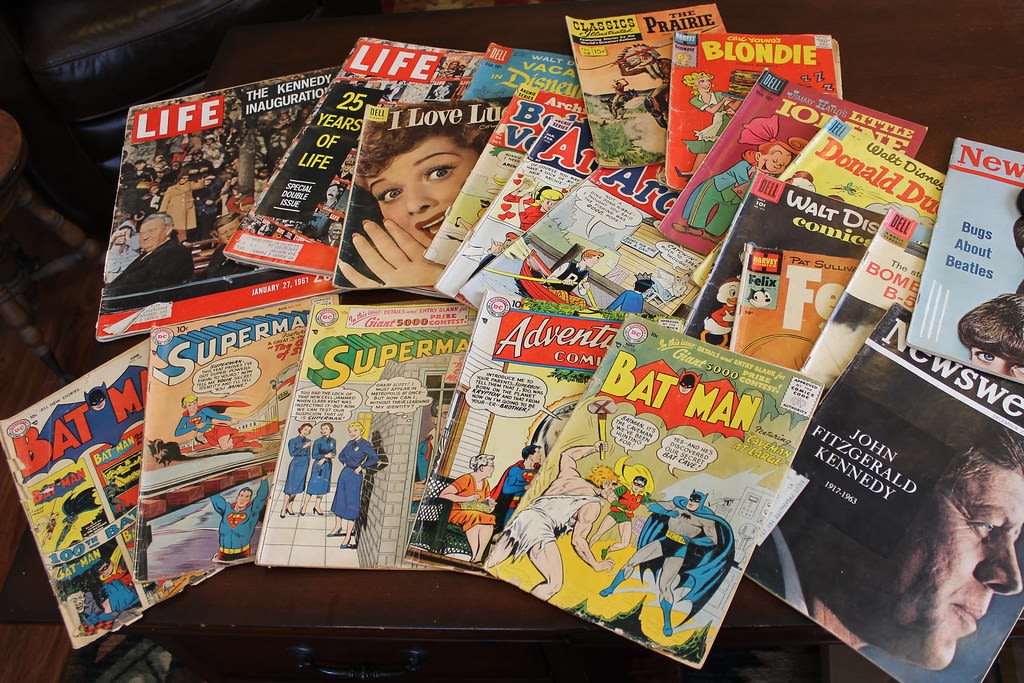
Comics in the 1960s were a significant cultural phenomenon. They were not only a source of entertainment for children, but they also served as a medium for discussing social and political issues. Comic books in the 60s were a reflection of the changing times and the shifting values of the American society. The 1960s were a time of great change in America, and the comics of that period reflect this.
One of the most significant changes in comic books in the 60s was the introduction of superheroes who were not perfect. Comic book characters like Spider-Man and The Fantastic Four were flawed and struggled with everyday problems just like ordinary people. This represented a significant departure from the classic comic book paradigm, where superheroes were infallible beings with no real problems.
Another significant trend in the 60s comic books was the depiction of social issues. Comic books such as Green Lantern/Green Arrow began to tackle issues like racism, poverty, and drug use. These comic books were not just meant for children but also for young adults as they started to explore more mature topics. The impact that these comic books had on the youth of the 60s cannot be overstated, as they helped to shape their views on important issues.
One of the most influential comics of the 60s was "X-Men," which debuted in 1963. Created by Stan Lee and Jack Kirby, "X-Men" presented a world where mutants with extraordinary powers lived among ordinary humans. The comic explored themes of prejudice and discrimination, and served as a metaphor for the civil rights movement.
Another iconic comic of the decade was "Spider-Man," which debuted in 1962. Created by Stan Lee and Steve Ditko, "Spider-Man" told the story of Peter Parker, a teenager who gained superpowers after being bitten by a radioactive spider. The comic was notable for its depiction of a hero who faced real-world problems, such as paying rent and struggling to balance his personal life with his superhero duties.
"Batman" was another popular comic of the 60s. While the character had been around since the 1930s, it was the TV show starring Adam West that brought him to a wider audience in the mid-60s. The comic reflected the show's campy, colorful style, and often featured Batman and Robin facing off against ridiculous villains like the Joker and the Penguin.
"The Fantastic Four" was another comic that defined the 60s. Created by Stan Lee and Jack Kirby in 1961, the comic told the story of a group of astronauts who gained superpowers after being exposed to cosmic rays. The Fantastic Four represented a departure from traditional superhero comics, with a focus on character development and interpersonal relationships.
The 60s saw the rise of underground comics. These comics were an alternative to mainstream comics, and they tackled taboo and controversial topics such as sex, drugs, and politics. Underground comics were highly influential in shaping the counterculture movement of the 60s. They also served as a form of protest against the establishment and mainstream culture.
Finally, the 60s saw an increase in the diversity of comic book characters. Comic books started to feature characters from different ethnic backgrounds, such as Black Panther and Luke Cage. The representation of diverse characters was essential as it gave minority groups a voice and representation in a medium that was primarily dominated by white characters.
In conclusion, comic books in the 60s were a significant part of American popular culture. They reflected the changing times and the shifting values of the society. The introduction of flawed superheroes, the depiction of social issues, the rise of underground comics, and the increase in diverse characters were all essential developments in the evolution of comic books in the 1960s. These comic books paved the way for modern comics and influenced pop culture for decades to come.
About the Creator
Majandra Miller
I am a passionate individual with a diverse cultural background, hailing from Trinidad & Tobago and now residing in the US.
Keep reading
More stories from Majandra Miller and writers in Geeks and other communities.
When Comics Stood Out?
Comics have come a long way since they first appeared in the 1930s. During their early years, comics were often associated with lowbrow entertainment – something that children and teenagers read for fun. However, in the mid-1980s, something incredible happened – comics began to be taken more seriously by critics and artists alike. This period – known as 'When Comics Stood Out' – marked the beginning of a new era for comics.
By Majandra Miller3 years ago in Geeks
Not Just For Clean Up: A History Of The MCU's Department of Damage Control
Initially an organisation that seemed to exist to help the heroes of the Marvel Cinematic Universe, from Phase Four onwards, the Department of Damage Control has shifted into a more antagonistic role. Most recently seen in the Wonder Man series, the current incarnation of Damage Control seems to target superpowered individuals, regardless of whether that person poses an active or intentional threat.
By Kristy Anderson6 days ago in Geeks
Jan-Willem Breure Joins the Joburg Film Festival Jury (JFF) - Septimius Awards Director becomes Judge at South Africa Film Festival in Johannesburg
The golden horizon of South African cinema continues to expand, and the 2026 Joburg Film Festival marks a significant moment in this evolution with the appointment of Jan-Willem Breure (Director & Founder of the Septimius Awards) to its international jury. Breure, an acclaimed filmmaker and entrepreneur, brings a perspective forged through a life of global transitions. Born in Rwanda and later adopted by Dutch missionaries, his journey took him through the landscapes of Kenya and Namibia before he eventually settled in the Netherlands. This cross-continental upbringing gave him a rare understanding of the nuances inherent in African storytelling, a trait that has defined his professional career.
By postworldview2 days ago in Geeks


Comments
There are no comments for this story
Be the first to respond and start the conversation.