
What Happened During the Salem Witch Trials?
Salem

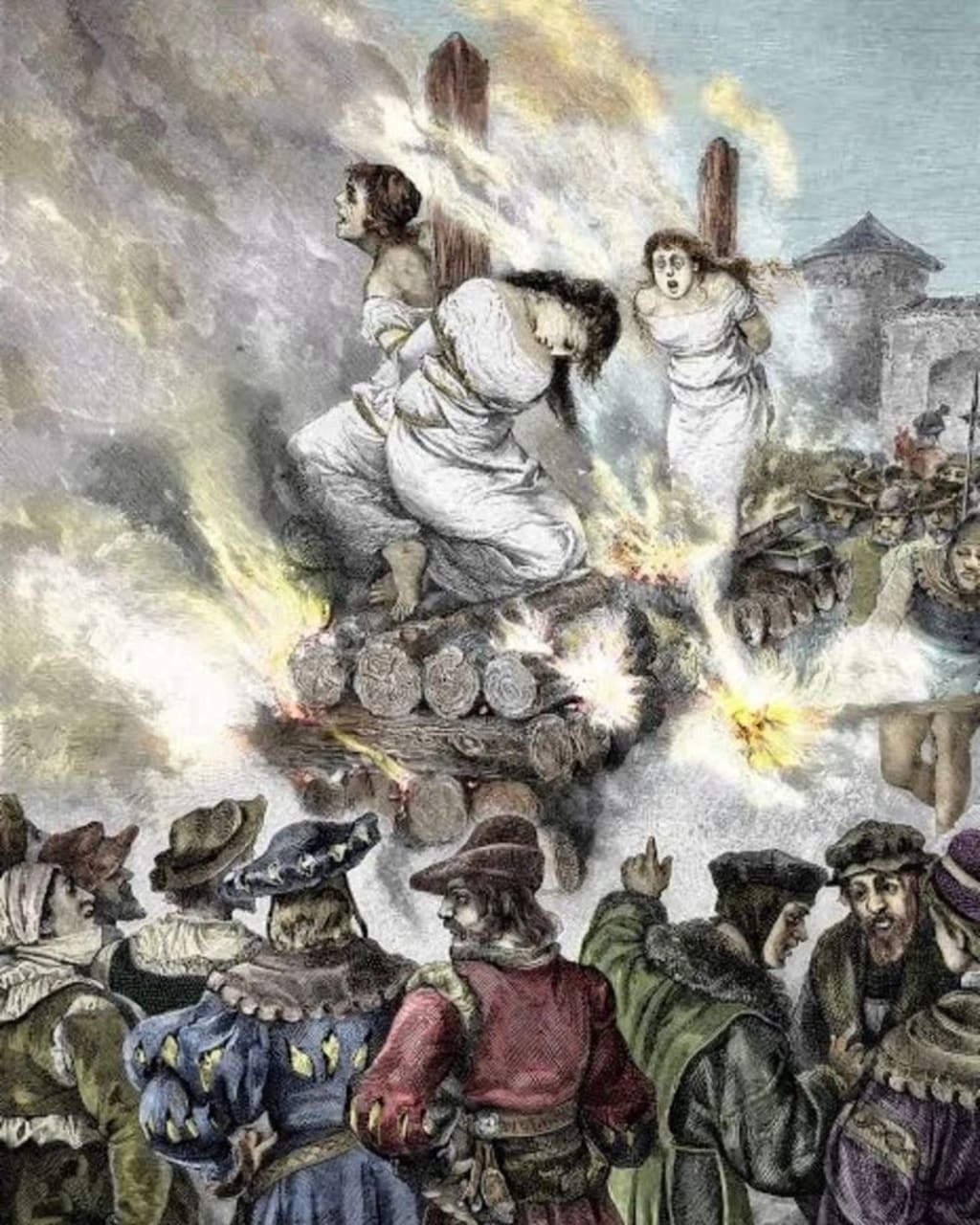
The Salem witch trials were a series of hearings and prosecutions of people accused of witchcraft in colonial Massachusetts between 1692 and 1693. This dark chapter in American history serves as a powerful reminder of the dangers of mass hysteria, religious extremism, and the failure of due process. But how did this tragic event unfold, and what were its lasting effects on American society?
The Context: A Colony in Turmoil
Salem, a small Puritan settlement in what is now Massachusetts, was already a community under intense pressure in the late 17th century. The Puritans, who had settled in New England to create a theocratic society, lived in a harsh and unforgiving environment. The region was plagued by disease, harsh winters, and frequent conflicts with Native American tribes. Additionally, the late 1600s were a time of political instability, as the English colonies were still struggling to define their relationship with the Crown.
Many in Salem also lived in constant fear of supernatural forces. The Puritans believed strongly in the existence of the Devil and the power of witches to do his bidding. Witchcraft was viewed as one of the most serious threats to the spiritual and social order, with people accused of witchcraft often believed to have made pacts with the Devil, which could lead to catastrophic consequences for the entire community.
The Spark: A Group of Girls’ Odd Behavior
The trials began in the winter of 1691-1692 when a group of young girls in Salem Village, including Betty Parris (the daughter of the local minister) and Abigail Williams (the niece of Parris), began exhibiting strange behaviors. The girls were observed convulsing, making strange noises, and claiming to see apparitions. In a Puritan community where superstition ran high, these symptoms were immediately interpreted as signs of witchcraft.
Under intense pressure, the girls began naming people they claimed were responsible for their afflictions. Their accusations were often vague, suggesting that the alleged witches had caused them harm through supernatural means. These accusations quickly spread to other members of the community, and hysteria began to grip Salem.
The Trials Begin: A Nation in Panic
By early 1692, the accusations of witchcraft had snowballed. Local authorities, including Reverend Samuel Parris and Magistrate John Hathorne, began investigating the accusations. The Reverend Samuel Parris was particularly instrumental in spreading fear about the witches, believing that the Devil had infiltrated his own home.
The witch trials were characterized by a blend of superstition, fear, and religious fervor. Trials were held in the local Salem Village meetinghouse, and the proceedings were presided over by judges such as Samuel Sewall, William Stoughton, and others. The trials were marked by the use of dubious evidence, including “spectral evidence” — the testimony that a person’s spirit or apparition had appeared to the accuser.
The accused were often subjected to physical examinations, where their bodies were searched for “witch marks” — signs of the Devil’s touch, such as moles, warts, or birthmarks. In some cases, individuals were subjected to torture or forced confessions. Public hysteria ran high, and the general atmosphere of fear led people to turn on one another, accusing neighbors, friends, and even family members.
The Consequences: The Fallout of Fear
The trials escalated rapidly. Dozens of people were accused, many of whom were elderly, marginalized, or from less respected sectors of the community. The first person to be executed was Bridget Bishop, who was hanged on June 10, 1692. As the trials continued, the accusations grew more widespread, and by the end of the year, 20 people — mostly women — had been executed, and many more had been imprisoned. The trials also led to the deaths of several other accused individuals while awaiting trial.
As the trials reached their peak, however, skepticism began to grow. Prominent figures such as Cotton Mather, a minister who had initially supported the trials, began to question the validity of the evidence. In October 1692, Governor William Phips intervened, halting the trials and eventually declaring the use of spectral evidence inadmissible. By early 1693, the trials came to an end.
Aftermath and Legacy
The Salem witch trials had profound consequences for the community and for American history as a whole. The immediate aftermath saw the disintegration of Salem Village’s social fabric, as families were torn apart, and public trust was eroded. Many of those involved in the trials, including judges and ministers, later expressed regret and sought to make amends. Some of the accused individuals were posthumously exonerated, and the colony offered compensation to the families of those who had been wrongfully convicted.
The Salem witch trials left a lasting legacy on American society. The event has become a symbol of the dangers of scapegoating and mass hysteria. It is often cited in discussions about the importance of civil liberties, due process, and the rule of law. The trials also highlighted the dangers of unchecked religious fervor, as the Puritans allowed their religious beliefs to justify the persecution of innocent people.
Today, the Salem witch trials are remembered as a cautionary tale. They remind us that the consequences of fear, superstition, and injustice can be devastating, especially when people allow prejudice and paranoia to shape their decisions.
Conclusion
The Salem witch trials were a tragic chapter in early American history, driven by fear, superstition, and social upheaval. In just over a year, they led to the execution of 20 people, the imprisonment of many others, and the collapse of a community’s trust in itself. While the trials eventually ended, their legacy continues to serve as a powerful reminder of the dangers of mob mentality and the importance of protecting individual rights in times of crisis.
About the Creator
Keep reading
More stories from Matilda Otu and writers in History and other communities.
Exploring Japanese Culture: A Deep Dive into Tradition and Modernity
Japan, an island nation with a rich history, has one of the most fascinating cultures in the world. Its culture is an intricate blend of ancient traditions and modern innovations, rooted in centuries-old practices yet constantly evolving in response to global trends. From the serene beauty of tea ceremonies to the bustling energy of Tokyo’s skyscrapers, Japanese culture offers a unique and multi-dimensional perspective on life, art, and society. In this article, we will explore the key elements of Japanese culture, including its traditions, art, cuisine, and the influence of modernization.
By Matilda Otu12 months ago in History
South Asia on Edge: Why Small Crises Carry Big Global Risks
South Asia on Edge: Why Small Crises Carry Big Global Risks South Asia is one of the most sensitive regions in the world today. It is home to a very large population and includes countries with strong militaries and nuclear weapons. Because of this, even small problems can turn into serious crises very quickly. Tensions, mistrust, and long history make the region fragile, and the whole world watches closely when situations become tense.
By Wings of Time 6 days ago in History




Comments
There are no comments for this story
Be the first to respond and start the conversation.