
7 Things Real Astrologers Wish You Knew (That Meme Pages Won’t Tell You)
Read the Article to Learn More

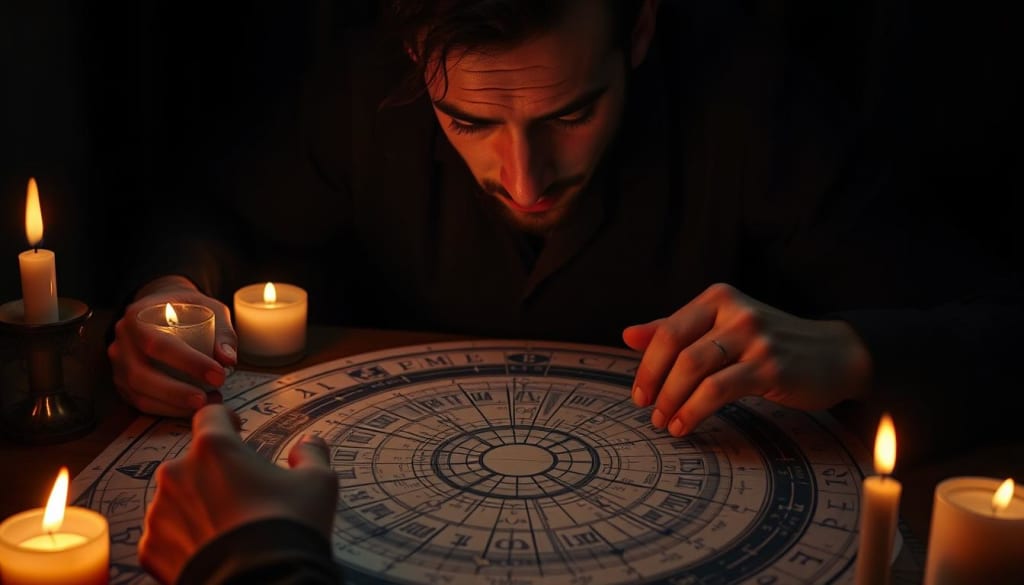
I used to scroll through astrology memes, laughing at the "typical Scorpio" jokes—until I met a certified astrologer. She sighed, "If only people knew how deep this study really goes." That conversation changed everything for me.
Astrology isn’t just sun signs and viral tweets. It’s a centuries-old practice with roots in history astrology, refined over every century. The American Federation of Astrologers (AFA) has upheld its standards since the early 1900s—far beyond what social media simplifies.
Here’s why it matters: Real astrology helps with personal growth, not just punchlines. Let’s uncover what professionals wish you understood.
Introduction: Why Astrologers Cringe at Meme Astrology
Babylonian scholars tracked planetary movements—today, we get "Which Avenger Is Your Sign?" The gap between ancient practice and viral quizzes is wider than the asteroid belt. Real astrology isn’t about pop culture mashups. It’s a 4,000-year-old system rooted in celestial patterns and human understanding.
I nearly fell out of my chair when I learned the American Federation of Astrologers requires advanced math for certification. Calculating planetary aspects isn’t as easy as matching your sun sign to a Disney princess. Astrology demands geometry, astronomy, and a grasp of ephemerides—far from meme-tier simplicity.
Even Isaac Newton saw value in it.
"The ancients studied astrology to comprehend divine will,"
he wrote, balancing his groundbreaking physics with celestial study. Today, we reduce Saturn’s influence to"Why is everyone ghosting me?"tweets.
The danger? Oversimplified planetary interpretations. A viral post might blame Mercury retrograde for your Wi-Fi crashing. In reality, retrogrades signal reflection periods—not tech apocalypses. When world events or personal growth get boiled down to zodiac stereotypes, we lose the craft’s true power.
1. Astrology Isn’t Just Sun Signs—Here’s What You’re Missing
Sun signs get all the attention, but your birth chart is like a cosmic fingerprint. Western astrology traces its roots to 19th–17th century BCE Mesopotamia, where scholars mapped far more than just sun signs. Today, memes reduce this ancient practice to simplistic labels—missing the depth entirely.
The 12 Signs Are Just the Tip of the Zodiac Iceberg
My AFA mentor once calculated 86+ data points in my chart—far beyond my sun sign. One eye-opener? Decans, a system from 15th-century Welsh manuscripts that divides each sign into three nuanced personalities. A "Leo" born July 23rd vs. August 10th will have different decan rulers, changing how their signs zodiac energy manifests.
Hellenistic traditions reveal five key layers most miss: - Planetary aspects (angles between planets) - Lunar nodes (karmic paths) - Fixed stars (like Sirius or Regulus) - House cusps (life areas activated) - Chiron (the "wounded healer")
Why Your Rising Sign Matters More Than You Think
Your rising sign (or ascendant) requires your exact birth time—even 5 minutes off skews results. It dictates your chart’s entire house system, shaping first impressions and life themes. Two Leos with different ascendants can live wildly divergent paths: one with a Scorpio rising might be private and intense, while a Gemini rising Leo charms every room.
"Your rising sign is the lens through which the world sees you—it’s why two ‘same-sign’ people can feel so different."
Next time someone asks, "What’s your sign?", tell them you’re a chart, not just a sun sign. The stars have way more to say.
2. Memes Oversimplify Planetary Influences (And Why That’s Dangerous)
Planetary memes flood social media, but real astrologers see a deeper story. Those "Mercury retrograde ruined my life" posts? They ignore 4,000 years of celestial study. True planets interact in your chart like actors in a play—each with unique roles, strengths, and timing.
https://www.youtube.com/watch?v=MY_xzvznEhE
How Planets Actually Interact in Your Chart
During my AFA certification, I interpreted 12 planetary aspect patterns—conjunctions, squares, trines. One revelation? Venus in a grand trine softens Mars’ aggression. Babylonian scholars mapped these techniques as early as 1700 BCE, calling them "planetary exaltations."
Islamic astrologers later refined this into interpretation rules: - A planet in its triplicity (like fire signs for the Sun) gains strength - Saturn in Libra (its exaltation) disciplines diplomatically - Mars in Cancer (its fall) struggles to assert itself
The Misunderstood Role of Retrograde Planets
Retrogrades aren’t curses—they’re cosmic pause buttons. When Mars goes retrograde, rethink: - Signing high-risk contracts - Launching startups (delays likely) - Major tech purchases (glitches spike)
"Retrogrades revisit unfinished business. They’re audits, not apocalypses."
Hellenistic astrologers used primary directions to track lifelong events. Today’s memes? They reduce Jupiter’s expansion to "good luck vibes." The stars deserve better.
3. Real Astrologers Don’t Predict Doom—They Analyze Patterns
Fear sells, but real astrology focuses on patterns, not panic. Medieval scholars like Ibn Ezra developed techniques to navigate challenges—not declare fixed outcomes. Today’s memes scream "Saturn return = disaster," while professionals see growth opportunities.
The Difference Between Fatalism and Free Will
My AFA teacher once corrected me: "Planets incline, they don’t compel." A 12th-century profection year system shows how each year activates a different house—offering guidelines, not guarantees. For example, my 10th-house profection year hinted at career shifts, but I chose how to respond.
Real practitioners ask: - What energy is available? - How can you work with it? - Where’s the growth potential?
Transits as Tools, Not Threats
Solar returns (birthday charts) help time major life events. My mentor used mine to suggest when to launch a project—Jupiter in the 10th house signaled expansion. Contrast that with meme culture’s "hide under a rock during retrogrades."
"Astrology is a weather report, not a prison sentence. You still drive the car."
The AFA’s ethical guidelines forbid fear-based marketing. Instead, they teach how to deepen your understanding of cycles. Planets don’t control you—they highlight rhythms to help you choose wisely.
4. Your Birth Time Isn’t a Suggestion—It’s Essential
A five-minute difference in birth time once flipped a client’s career house—here’s how. During my AFA certification, I saw a chart where 4:00 PM vs. 4:05 PM moved their 10th house cusp from Capricorn to Aquarius. Suddenly, their career path looked entirely different.
How 5 Minutes Can Change Your Entire House System
Your rising sign sets the correct chart structure. Placidus (the default system) divides houses unevenly based on time. Whole Sign, used in 2nd-century Hellenistic techniques, assigns one sign per house. A tiny time shift can swap systems—and your life themes.
Rectification helps when birth records are unclear. Professionals use: - Solar arcs (progressed chart movements) - Moon phase timing - Major life events as benchmarks
What to Do If You Don’t Know Your Exact Birth Time
Hospitals sometimes log daylight savings incorrectly. The AFA suggests: - Checking birth certificates for AM/PM clarity - Interviewing family members - Using noon charts cautiously—they lack house precision
"Approximate times work for sun signs, but houses demand accuracy. Always note ‘time unknown’ in your interpretation."
5. Astrology Has a Rich History—And Memes Erase It
Modern astrology content often skips over centuries of rich historical context. What viral posts call "Mercury retrograde chaos" traces back to 7th-century CE Vedic texts like the Bṛhat Parāśara Horāśāstra. Real history astrology reveals layers meme culture ignores.
From Babylon to TikTok: How Astrology Evolved
16th-century almanacs first popularized bite-sized predictions—the original memes. But the world of ancient astrology was rigorous. The Baghdad House of Wisdom in the 9th century translated Greek and Indian texts, preserving systems like the Dorothean zodiac.
By the 20th century, scholars rediscovered nearly lost techniques. The AFA now requires 100 hours of history study, covering:
Hellenistic timing methods (still used in financial astrology)
Medieval medical astrology charts
Planetary dignity rules from Islamic Golden Age texts
Why Hellenistic Techniques Still Matter Today
Your TikTok horoscope won’t mention profection years—but they’re game-changers. This 2nd-century method divides your life into 12-year cycles, each activating a different house. I used mine to time a career pivot when my 10th house year aligned with Jupiter.
"Hellenistic astrology is like GPS for life transitions. Memes are just bumper stickers."
Next time you see a "Which Sign Are You?" quiz, remember: real astrologers study the stars’ history, not just their hashtags.
6. Not All Astrologers Are Created Equal
The internet is flooded with self-proclaimed astrologers, but few have the training to back it up. After a viral "psychic astrologer" misread my chart, I learned the hard way: credentials matter. The American Federation of Astrologers (AFA) sets the gold standard—not TikTok followers.
How to Spot a Credentialed Astrologer (AFA Certification Explained)
The AFA offers three certification levels: AMAFA, PMAFA, and PTMAFA. Each requires 300+ hours of study, including:
- Ephemeris calculations
- Historical interpretation techniques
- Ethical client guidelines
My PMAFA exam lasted eight hours. One section tested my ability to rectify birth charts using 12th-century Hellenistic methods. Spoiler: It’s nothing like those "get certified in a weekend" online courses.
Red Flags in Chart Interpretations
Beware of "certified astrologers" who:
Predict doom ("Your Saturn means you’ll die alone")
Ignore your birth time (critical for houses)
Charge extra for "cursed chart" fixes
"Medical astrology requires separate certification. Never trust health advice from someone who just Googled your sun sign."
The AFA investigates unethical practitioners. If a reading feels off, afa exams and credentials are your first fact-check. The stars deserve respect—and so do you.
7. Relationships Aren’t Just About Compatibility Signs
A viral post claimed my Taurus ex and I were doomed—until I saw our composite chart. Memes reduce love to sun signs, but real relationships thrive on deeper celestial connections. Medieval astrologers used composite charts for royal marriage treaties, proving these techniques stand the test of time.
Synastry vs. Composite Charts: What Professionals Actually Use
Synastry compares two birth charts, revealing how planets interact. My AFA mentor showed me a couple’s Venus-Mars midpoint—a 20th-century Uranian method—predicting their fiery chemistry. Composite charts, though, blend both charts into one. Think of it as a third entity representing the relationship itself.
Key differences: - Synastry highlights individual planetary clashes or harmonies. - Composite charts reveal the relationship’s soul purpose. - House overlays (like your partner’s Mars in your 7th house) matter more than sun signs.
Why Opposites Attract (Spoiler: It’s Not Just Taurus-Gemini)
My AFA relationship specialization required 50 case studies. One pattern? Opposites attract when their charts complete each other. A Capricorn with an empty 7th house might crave a Cancer’s nurturing—not because of signs, but missing elements in their chart.
"Compatibility isn’t about signs clashing—it’s about needs aligning. A Libra’s Venus could heal a Scorpio’s Mars wounds."
Next time you see a "Moon Sign Compatibility" quiz, remember: real astrologers analyze planetary aspects, not just zodiac stereotypes.
8. The Moon’s Role Goes Way Beyond "Moodiness"
My first moon phase journal shocked me—it revealed patterns even my therapist missed. While memes reduce the moon to mood swings, its influence stretches from Wall Street trades to ancient healing techniques. Arabic scholars used lunar mansions to time surgeries, proving its power isn’t just emotional.
Lunar Phases and Decision-Making: An Astrologer’s Secret Tool
During my AFA training, I learned how hedge funds schedule IPOs during waxing moons for growth energy. Vedic astrology’s 28 nakshatras offer even deeper insight—each linked to specific life areas like wealth or relationships. Compare that to Western phases:
New Moon: Seed new projects (like signing contracts)
First Quarter: Overcome obstacles
Full Moon: Release what no longer serves you
How to Work With—Not Against—Your Moon Sign
Your moon sign reveals emotional needs, not just "cry sessions." A Scorpio moon isn’t doomed to toxicity—it craves deep transformation. Here’s how to harness it:
"Track your progressed moon every 7 years. It marks emotional growth chapters, like a personal coming-of-age cycle."
Try the AFA’s moon journaling techniques: Note feelings during each phase for 3 months. You’ll spot patterns even memes can’t meme.
9. Horoscopes Are Horrific Oversimplifications
Generalized horoscopes are like weather reports for the wrong city—here’s why. Most mass-market horoscopes use only sun signs, ignoring your rising sign, moon placement, and planetary aspects. The American Federation of Astrologers confirms: Only 5% of professionals write newspaper horoscopes. The rest focus on personalized chart readings.
Why Generalized Forecasts Rarely Apply to You
Your sun sign is just 1/12th of the story. A real forecast considers: - Your current profection year lord (a Hellenistic timing technique). - Transits to your natal planets (like Jupiter crossing your Midheaven). - Solar arc directions, which move planets 1° per year—revealing long-term cycles.
I once read a generic "Leo" horoscope during my Saturn return. It promised "luck in love," but my interpretation showed relationship challenges. Without personalized information, horoscopes are just cosmic guesswork.
How to Read a Personalized Horoscope Like an Astrologer
The AFA’s 4-step method transforms vague predictions into actionable insights: 1. Identify your profection year: Divide your age by 12—the remainder reveals your active house. 2. Check transits: Use apps to see current planet positions relative to your natal chart. 3. Analyze solar arcs: Note which planets are activating key houses this year. 4. Synthesize: Blend these layers for a nuanced forecast.
"Solar arcs are the unsung heroes of forecasting. They show your actual life chapters, not just monthly vibes."
Before buying a personalized report, ask: - Does it use your exact birth time? - Are transits and progressions explained? - Does the astrologer hold AFA certification?
10. Astrology and Astronomy Were Once the Same Science
Before telescopes existed, stargazers mapped the skies with astonishing precision. Babylonian clay tablets from the 7th century BCE tracked Venus’s movements—not for memes, but for agricultural planning. This blend of history astrology and astronomy shaped civilizations.
When Newton Practiced Astrology: A Historical Perspective
Isaac Newton’s lost manuscripts reveal his obsession with alchemy and astrology. He calculated planetary positions alongside gravity theories. In the 17th century, this wasn’t odd—Tycho Brahe and Johannes Kepler also served as royal astrologers.
Pre-telescope scholars used quadrants and armillary spheres. They logged star positions for navigation, medicine, and birth charts. The AFA still teaches these methods today, proving their lasting value.
Why Modern Astrologers Still Study Astronomy
The American Federation of Astrologers requires 50+ hours of astronomy study. Why? Because axial precession—Earth’s wobble—shifts zodiac dates over millennia. Your "Taurus" sun sign might actually align with Aries in sidereal systems.
Top tools for serious students: - Stellarium (planetarium software) - NASA’s Eyes (solar system visualization) - AstroGold (chart calculations)
"Astrology without astronomy is like navigation without a compass. The stars guide both."
From ancient world empires to modern apps, this dual science keeps evolving. Next time someone scoffs at astrology, remind them: Newton wouldn’t.
11. The Houses Are Where the Magic Happens
Medieval astrologers mapped houses long before modern memes reduced them to stereotypes. The 12-house system, finalized in 2nd-century Hellenistic astrology, reveals how celestial energy shapes your daily life—not just your sun sign personality.
Why the 10th House Isn’t Just About "Fame"
A client with Saturn in her 10th house feared career failure. Yet her chart showed disciplined mastery—she’s now a respected judge. The 10th governs legacy, not just viral moments.
Medieval texts used derived houses: - Your 10th from the 7th (partner’s career) - Your 10th from the 4th (family reputation) This layered interpretation reveals hidden connections.
How Empty Houses Still Influence Your Life
An empty 7th house doesn’t doom you to solitude. The AFA teaches three significators: 1. The house’s natural ruler (Venus for the 7th) 2. Planets aspecting the cusp 3. Transits activating the space
"Empty houses are like unused rooms—their energy exists, waiting for the right planetary key to unlock them."
Intercepted houses (signs fully inside a house) add nuance. My mentor used them to explain a client’s late-blooming artistic career—their 5th house Pisces was intercepted, delaying creative recognition.
12. Professional Astrologers Use Math (Yes, Really)
My first manual chart calculation took six hours—and three cups of coffee. While memes reduce astrology to personality quizzes, real practitioners rely on geometry, algebra, and spherical trigonometry. The American Federation of Astrologers requires candidates to pass rigorous math exams because celestial mechanics don’t care about vibes.
The Geometry Behind Aspect Patterns
I once saw an auto-calculator place Mars 10° off its true position—ruining a client’s relocation chart. Medieval Persian texts defined aspect orbs (allowable variances) with precision:
Conjunctions: ±10°
Squares: ±7°
Trines: ±8°
These techniques from 10th-century scholars still guide modern interpretation. The AFA forbids software in certification exams to ensure students grasp the underlying math.
Why Software Can’t Replace Human Interpretation
Harmonic charts—developed in the 20th century—reveal hidden patterns through division formulas. But algorithms miss nuances like:
Antiscia (shadow degrees)
Declination parallels
Dorian mode resonances
"Software calculates positions; astrologers calculate meaning. The stars speak in geometry, not gigabytes."
Every AFA student masters five math concepts:
Placidus house division formulas
Primary direction calculations
Solar arc progression rates
Planetary hour computations
Ecliptic coordinate conversions
Next time someone says astrology is "just feelings," show them your calculator. The cosmos runs on numbers.
13. Karmic Astrology Is More Than "Past Life Drama"
A TikTok trend claimed my North Node revealed my past career—my AFA mentor laughed for five minutes straight. Karmic astrology isn’t about reincarnation gossip. It’s a 20th-century techniques framework for identifying soul evolution themes in your current life.
How Professionals Identify Soul Contracts in Charts
Draconic chart calculations (using the Moon’s nodes as 0° Aries) differ wildly from natal nodal axis interpretations. My certification exam included rectifying a 1940s draconic chart—it showed karmic patterns, not past-life job titles.
The AFA’s ethical guidelines forbid definitive past-life claims. Instead, we analyze: - Saturn/Node aspects (karmic lessons) - 12th house planetary placements (soul debts) - Vertex activations (fated encounters)
The Truth About North Node TikToks
Viral posts claim "Your North Node sign = past career." Real nodal work blends 18th-century esoteric techniques with modern psychology. A client’s North Node conjunct Chiron revealed healing gifts—not some medieval blacksmith fantasy.
"Nodes highlight growth directions, not regression. Your South Node isn’t a prison—it’s familiar territory to build from."
To deepen your understanding of karmic patterns: 1. Track transits to your nodal axis 2. Study your Saturn’s aspects 3. Note recurring 12th house themes
14. Finding the Right Astrologer for Your Needs
When I needed career guidance during my Saturn return, I booked three different readings—only one afa certified astrologer had the expertise I needed. The American Federation of Astrologers reports 80% of members specialize in just 2-3 areas. Your goals determine whether you need natal, financial, or medical insights.
Specializations Explained: Natal, Financial, and Medical Astrology
Natal chart experts decode your birth blueprint. Financial astrologers (rare but invaluable) time markets using 17th-century mundane techniques. Medical astrology requires separate AFA certification—they analyze lunar nodes and 6th house placements, not diagnose.
The AFA maintains a referral network for niche needs like: - Electional astrology (timing weddings/launches) - Horary (answering specific questions) - Local events charting for community trends
Questions to Ask Before Booking a Reading
My mentor taught me to vet practitioners with: 1. "What’s your experience with solar returns?" 2. "Can you explain your house system preference?" 3. "Do you follow AFA ethical guidelines?"
Red flags include: - Guaranteeing specific information (e.g., "You’ll meet your soulmate in 3 months") - Using scare tactics about planetary placements - No mention of birth time accuracy
"A certified astrologer welcomes questions about their training. If they dodge, walk away."
15. Why Meme Pages Get Mercury Retrograde So Wrong
A client once postponed her wedding during Mercury retrograde—only to realize she’d misread the dates entirely. The panic around backward-moving planets traces to 1970s pop astrology, not ancient techniques. Real retrograde cycles are nuanced, not apocalyptic.
The 3 Real Ways Retrogrades Affect Communication
Mercury retrograde doesn’t break phones—it highlights misaligned systems. Hellenistic texts describe three actual effects:
Review, not regret: Contracts with unclear terms resurface for edits.
Delayed clarity: Messages sent now often need follow-up explanations.
Technical audits Old software glitches reveal needed updates.
The AFA’s guidelines stress tracking shadow periods (15 days pre/post retrograde). My mentor caught a client’s partnership red flags during this window—before papers were signed.
How Professionals Prepare Clients for Retrograde Seasons
Medieval ephemerides tracked stationary phases of planets for timing major events. Today’s toolkit includes:
"Back up data 48 hours before the retrograde. Schedule meetings during Mercury’s direct phases. Use the shadow period for revisions—not new launches."
One case study: A CEO avoided a merger during retrograde, discovering hidden liabilities later. The stars don’t cause disasters—they spotlight opportunities to pivot wisely.
Conclusion: Trust the Pros, Not the Memes
After years of relying on social media snippets, I finally booked a session with an AFA-certified astrologer. Their study of my chart revealed timing insights that saved my business launch—something no meme could’ve predicted.
Real astrology isn’t about quick fixes or doom-scrolling. The American Federation of Astrologers requires rigorous training, ensuring practitioners provide accurate information. My mentor’s analysis of Jupiter transits helped me pivot during a critical quarter.
Here’s how to spot quality guidance:
Verify AFA credentials
Request birth time accuracy
Avoid fear-based predictions
Ready to dive deeper? Visit the AFA’s website to find certified professionals. The stars have wisdom—when interpreted correctly.
About the Creator
Wilson Igbasi
Hi, I'm Wilson Igbasi — a passionate writer, researcher, and tech enthusiast. I love exploring topics at the intersection of technology, personal growth, and spirituality.
Keep reading
More stories from Wilson Igbasi and writers in Humans and other communities.
Synchronicities, Dreams, and Signs:
I remember the day I started noticing strange coincidences and vivid dreams. They seemed to be connected to my spiritual awakening. It felt like the universe was nudging me toward a deeper understanding of my soul connection with someone.
By Wilson Igbasi7 months ago in Humans
Pets and Partners
Another situation that you and your partner might experience if the two of you stay together for a while is whether or not the two of you will get a pet. This can be a difficult decision to make, especially if one of you has always had pets and isn’t used to not having one. This might also be a hard decision to make if one of you isn’t used to having a pet around. Either way, this is a huge decision to make, because if the two of you decide to take a pet into your house, then you will need to realize that you will not only have a new responsibility but you will have a living, breathing creature that needs constant support and affection in your lives. Knowing this, you might want to make sure that you are in the right position to cater to this animal’s needs.
By Nicole Higginbotham-Hogue2 days ago in Humans



Comments
There are no comments for this story
Be the first to respond and start the conversation.