
A System That Was Never Built for Them
A closer look at a system that functions perfectly -Just not for migrants-

Migration is supposed to be a system. A process. A path people follow with patience, paperwork, and a little hope. At least that's what the world likes to believe.
But for millions, migration feel less like a system and more like a slow test of endurance. A maze designed by people who will never have to walk through it. A structure that demands proof of humanity while treating individuals like file numbers. A system that promises opportunity but delivers exhaustion.
The cracks appear quietly. A mispronounced name. Forms that assume knowledge no one ever taught. Rules that shift without warning. The growing realization that the system isn't broken by accident -it functions exactly as intended. Just not for the people who need it.
Migration isn't movement. It's waiting. Waiting for appointments, approvals, responses, permissions. Waiting so long that waiting becomes part of a person's identity. Life starts being measured in deadlines, emails, and silence between them.
And while they wait, the system keeps taking. It takes time, money, energy, emotional stability. It takes the security of knowing who you are and where you belong.
Society says, "It's so brave to start over." But it doesn't see what starting over really means: losing language losing networks, losing certainty. Turning identity into a question. Turning confidence into negotiation.
The system demands integration, but integration is a one-way street. Migrants learn the rules, the customs, the expectations. The society around them rarely learn theirs. They adapt, adjust, translate, explain. And still, somehow, they're told they don't fit.
Hard work doesn't erase invisible walls. A person can be talented, qualified, experienced and still be treated as if they're starting from zero. Because in this system, they are.
The economic side is the quietest failure. Migrants sustain entire industries -cleaning, caregiver, construction, agriculture, food service and essential jobs treated as disposable. The system benefits from their labor but doesn't protect them. It wants productivity, not presence. Contribution, not voice.
Then there's the emotional system -the one that never appears on any form. Living between two worlds. The guilt of leaving and the pressure to succeed. The loneliness of distance and the exhaustion of pretending to be strong. The constant feeling of having to justify every choice.
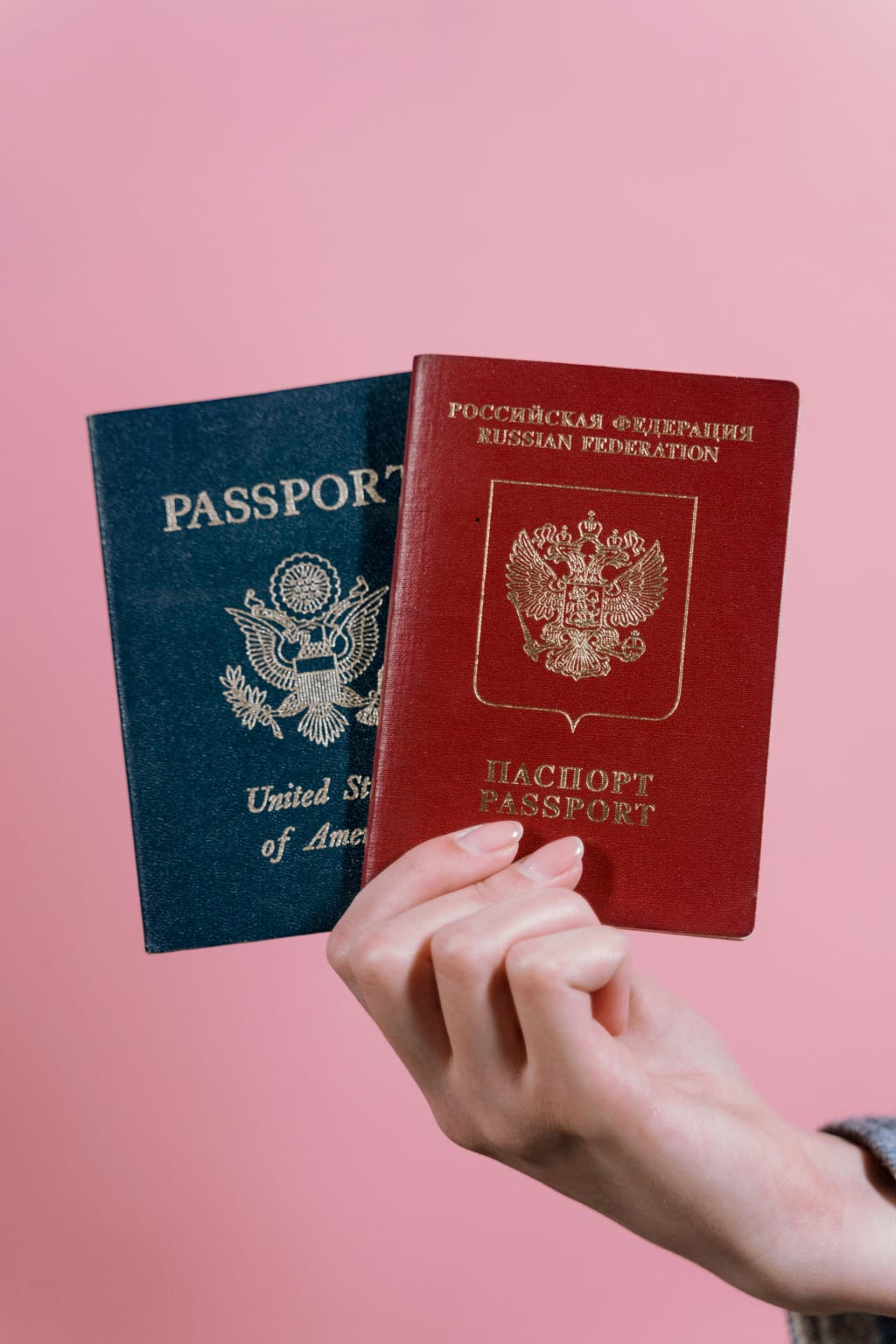
People learn to carry nostalgia like a second passport. They learn to celebrate small victories because the big ones take years. They learn to smile when told, "You're lucky to be here," even when luck has nothing to do with it.
There is also the unspoken cost of constantly proving legitimacy. Every document must be a perfect, every answer precise, every detail consistent. A single mistake can reset months of progress. People learn to double-check everything -dates, signatures, translation- because the system is unforgiving. It demands perfection from those who are already stretched thin. And while the system insists on accuracy, it rarely offers clarity. Instructions contradict each other, offices give different answers, and policies shift without warning. The burden of navigating this confusion falls entirely on the migrant, never on the institutions that created it. Over time, this constant vigilance becomes a form of survival, a quiet pressure that shapes daily life in ways most people never notice.
Migration isn't a broken system. It's a system that was never designated with migrants in mind. It wasn't built to support, guide, or welcome them. It was built to examine, filter, and slow them down.
And yet, they continue. They built lives in the cracks. They find community in the spaces the system overlooks. They learn to exist in places what weren't made for them, with a strength the system will never acknowledge.
Maybe that's the real misalignment: a system that underestimates the people who survive it.
About the Creator
Keep reading
More stories from Lydia martinez and writers in Humans and other communities.
The Part of Me No One Knows
There are things you learn to bury so deep that they almost stop existing. You walk, you smile, you do what you’re supposed to do… and no one notices that inside you’re carrying a weight no one ever sees. I’ve been like that my whole life: strong on the outside, silent on the inside.
By Lydia martinez4 days ago in Humans
The Angry Man in Your House
"If you grow up with an angry man in your house, there will always be an angry man in your house" This statement has caused plenty of controversy online, people say its a statement that blames victims while also undermining those who break traumatic cycles to form health relationships... but if I'm honest now that I'm in my 30s it makes more sense to me than ever, and I'd argue that its not just about fathers and uncles.
By S. A. Crawford4 days ago in Humans
📢 Raise Your Voice Thread: 02/05/2026
Our “Raise Your Voice Threads” are hosted most alternating Thursdays at 12PM ET to offer creators more avenues to uncover exceptional stories on Vocal. As we are continuously searching for fresh creators and inspiring stories, this thread provides an opportunity to exchange and discuss the stories that have moved and motivated us on Vocal.
By Raise Your Voice by Vocal6 days ago in Resources




Comments
There are no comments for this story
Be the first to respond and start the conversation.