
Drawer Rigid Boxes: How they are made
Drawer Rigid Boxes
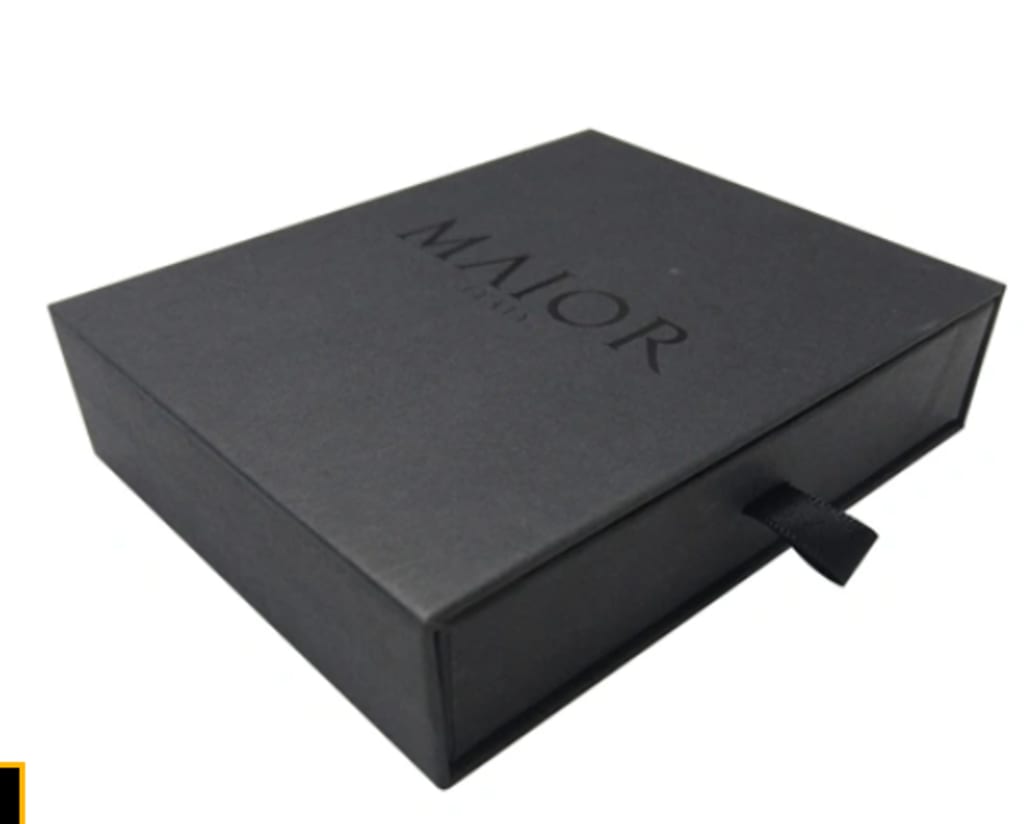
Drawer rigid boxes are a popular option for a variety of storage needs, from jewelry and accessory organisation to housing office materials or kitchenware. These boxes are a great option for a variety of tasks thanks to their durability, adaptability, and customizability, among other advantages. The use of rigid drawer/slider boxes is widespread and can help your firm expand quickly. In this article, we will discuss about these premium Drawer Boxes, how they are made and how these can boost your product’s sale in a short period of time.
Design and Materials
Custom drawer rigid boxes have a premium appearance and feel thanks to the use of premium paperboard, rigid cardboard, or corrugated board. These components give the boxes strength and longevity, safeguarding the product during storage and transportation. Also, they provide a wide variety of finishes and printing methods that can be used to produce a genuinely distinctive custom design.
Rigid boxes are light and recyclable which also makes them environment friendly. They are portable and compact and their rigid texture gives them a unique and premium look.
Cardboard
The most typical material utilised to create cardboard drawer stiff boxes is cardboard. Paperboard that is strong and rigid and frequently created from recycled materials, such as used cardboard boxes and paper goods, is called cardboard. It is an economical and environmentally beneficial alternative to rigid drawer boxes.
Drawer boxes can be made from cardboard, which is a versatile material that can be utilised to make a variety of box designs. Tyvek is a great option for heavier objects like books, tools, and other household items because it is strong and long-lasting. Moreover, cardboard boxes are simple to embellish and personalise with print and design..
Chipboard
Another material used to create solid cardboard drawer boxes is chipboard, commonly referred to as particleboard. It is commonly used for heavier-duty applications and is manufactured from compressed wood particles. Chipboard is renowned for its strength, resilience to damage, and durability.
Chipboard is a wonderful option for Custom Rigid Drawer Boxes that must resist severe use because it is typically thicker and denser than cardboard. It is a great option for individuals who require a solid, long-lasting box but do not want to spend a lot of money because it is also a reasonably priced material.
Paperboard
Boxes for cereal, shoes, and cosmetics are all frequently made out of paperboard, which is a lightweight, hard, and thin material. In order to increase its longevity, it is often coated with a coating of plastic or wax after being constructed from numerous layers of paper pulp.
Paperboard is a great alternative for drawer stiff boxes even though it is not as sturdy or long-lasting as chipboard or cardboard. Compared to other materials, it is more inexpensive, and its small weight makes it simple to handle and store. Paperboard is a flexible material for premium and bespoke drawer rigid boxes because it is easily printed or adorned.
Customization and Decoration
Drawer rigid boxes can be enhanced visually with a variety of different elements. Embossing, Hot stamping, Foil stamping, Spot UV Coating and Full UV Coating are a few examples of these qualities. The boxes can seem even more opulent and sophisticated by using these techniques to create a variety of distinct textures and finishes.
Embossing is a printing method that produces a raised, three-dimensional, or text-based image on a surface. This is accomplished by applying pressure to the material with a die or mould to produce a raised impression, which gives the printed item a distinctive, tactile character.
Hot Stamping is a printing method that applies pressure and heat on metallic or coloured foil to transfer it to a surface. The foil is transferred to the surface using a heated die, producing a premium, metallic or colourful finish that is frequently used to create logos, graphics, or text.
Foil Stamping This printing method uses a similar procedure to hot stamping, but instead of using ink, uses metallic or colourful foil. A heated die is used to press the foil onto the surface, producing a premium, metallic or colourful finish that can be utilised to produce logos, designs, or text.
Spot UV Coating Using a transparent, glossy coating that is only sprayed to selected sections of a printed object, spot UV coating creates contrast between the coated and uncoated areas. This produces an eye-catching look that highlights logos, photos, and text while drawing focus to the coated regions.
Full UV Coating Full UV coating is a printing technique that coats the entire surface of a printed object with a clear, glossy finish. This results in a high-gloss surface that gives the printed piece strength, safety, and a sophisticated appearance. High-end packaging, business cards, and marketing materials frequently use full UV coating.
About the Creator
Keep reading
More stories from writers in Humans and other communities.
500 Passengers Forced to Spend Night on Grounded Planes After Heavy Snow Cancels Flights and Airport Staff Go Home
Severe winter weather wreaked havoc at Manchester Airport over the weekend, leaving more than 500 passengers stranded on grounded planes as flights were canceled and airport staff were sent home. The incident highlights the vulnerability of air travel during extreme weather and the challenges airlines face in ensuring passenger safety and comfort. The snowstorm, which swept across the north of England, brought freezing temperatures, icy runways, and visibility conditions deemed unsafe for takeoffs and landings. Airlines quickly canceled dozens of flights, but the rapid escalation left hundreds of travelers caught between the tarmac and terminals. Passengers described long waits on stationary planes, sometimes exceeding six hours, without access to food, blankets, or adequate heating. Families with young children and elderly travelers faced particular hardship, prompting complaints on social media and calls for better contingency planning. “I couldn’t believe it,” said one traveler. “We were on the plane, the engines off, windows frosted over, and staff kept apologizing but saying there was nothing they could do. People were freezing and anxious — it was frightening.” Airline and Airport Response Airport authorities and airline representatives confirmed the cancellations, citing safety as the top priority. “We understand the inconvenience to passengers,” said a spokesperson for one major carrier. “However, pilot safety assessments and airport operating conditions dictated that flights could not proceed. The weather was unprecedented in its intensity and impact.” Critics argue that contingency plans fell short. Many flights were left at gates with limited support for passengers, while airport staff numbers were insufficient to manage the situation effectively. Some travelers reported that buses and shuttle services to nearby hotels were unavailable, as the airport directed personnel to safety or allowed them to leave after extended hours. In response, the Civil Aviation Authority noted that airlines are responsible for providing assistance under UK passenger rights regulations, including access to meals, refreshments, and accommodations when delays extend overnight. Investigations are ongoing to determine whether protocols were fully followed. Passenger Experiences For many, the ordeal was more than inconvenient — it was physically and emotionally taxing. Some passengers improvised makeshift blankets from jackets, while others tried to sleep upright in cramped airplane seats. Parents struggled to keep children calm, and individuals with medical conditions reported stress and discomfort. Social media posts from those affected quickly went viral, sparking a broader debate about airport preparedness and the adequacy of staff training for extreme winter conditions. Passenger rights groups called for airlines to improve emergency communications and to guarantee accommodations for anyone stranded by severe weather. “This was a logistical failure, not just a weather problem,” said one advocate. “Passengers should not be forced to spend the night on planes without basic amenities. Airports and airlines need better crisis management protocols.” Looking Forward Airports across the UK are reviewing their emergency procedures following the incident. Lessons learned are expected to inform policies for staff allocation, passenger care, and communication strategies during extreme weather events. Airlines are also assessing scheduling and staffing flexibility to minimize passenger hardship during similar conditions in the future. Despite the disruptions, no injuries were reported, and all passengers were eventually accommodated in nearby hotels or rescheduled for flights the following day. Still, the experience has left a mark, raising questions about how the aviation industry can better prepare for increasingly frequent and severe winter storms. For travelers, the incident serves as a stark reminder to plan for weather-related delays, carry essential supplies, and remain patient when nature intervenes. For airlines and airports, it is a call to action to ensure that passenger welfare remains a priority, even when flights cannot take off.
By Fiaz Ahmed a day ago in Humans




Comments
There are no comments for this story
Be the first to respond and start the conversation.