
How Social Media Can Shape the Future of Human Relationships
How Platforms Are Changing Our Social Lives
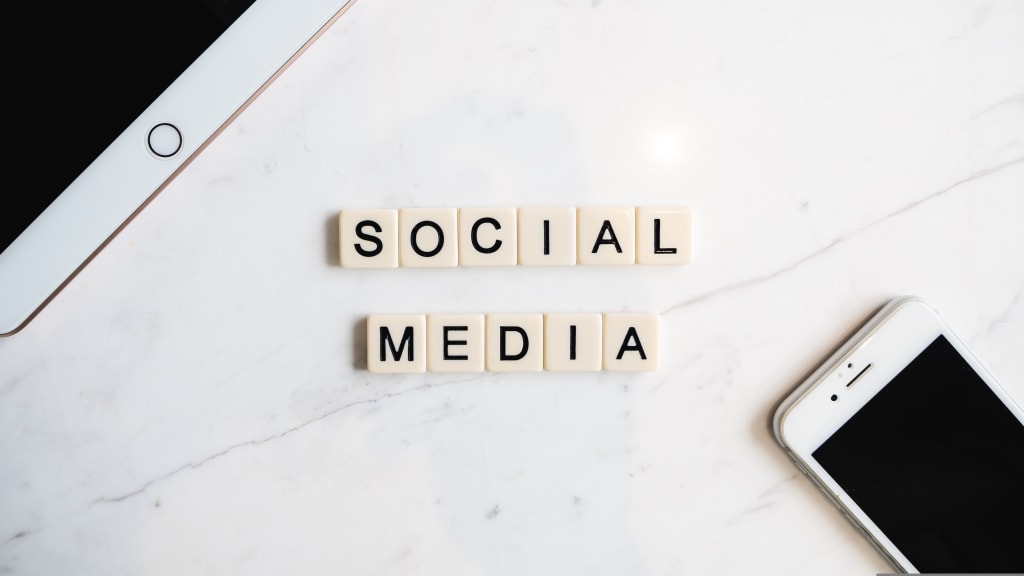
In today's world, social media is no longer just a part of our daily routine—it's a powerful force shaping how we communicate, connect, and relate to one another. These platforms have become integral to our social lives, influencing everything from friendships to romantic relationships. But as we move further into a digital age, one question remains: How will social media change the way we interact with others, and what will it mean for the future of human relationships?
Instant Communication: Bridging Distances and Creating Connections
One of the most remarkable features of social media is its ability to connect people instantly, no matter where they are in the world. In the past, distance was a significant barrier to maintaining relationships, whether with family, friends, or colleagues. But now, platforms like Facebook, WhatsApp, and Instagram allow us to stay in constant touch, bridging the gap between continents and time zones.
This instant communication has transformed how we form and maintain relationships. Whether it’s sending a message, making a video call, or sharing life updates, we can now keep our connections alive, even if we’re physically far apart. It’s clear that social media has made staying connected easier, but it’s also worth considering: Are these digital connections as meaningful as face-to-face interactions?
Expanding Horizons: Meeting New People Around the World
Another powerful aspect of social media is its ability to help us meet people from different cultures, backgrounds, and interests. Unlike traditional forms of communication, social media allows us to build relationships that might have been impossible in the offline world. You can connect with someone halfway across the globe who shares your passion for photography, fitness, or even a niche hobby.
While this can lead to exciting new friendships, it also raises an important question: How deep are these relationships? Can an online connection ever truly replace the emotional bonds formed through in-person experiences? While social media helps us expand our social circles, we must ask ourselves whether it can replicate the depth and authenticity of real-world connections.
The Psychological Impact: The Price of Constant Connectivity
Though social media offers the convenience of instant communication, it also brings with it psychological challenges. For many, the constant engagement with these platforms can lead to "digital loneliness"—a feeling of being surrounded by virtual friends but lacking real, face-to-face relationships. This paradox can create a sense of isolation, especially when people rely on social media as their primary means of social interaction.
Furthermore, social media often promotes social comparison. Users tend to share only the highlights of their lives—the vacations, achievements, and celebrations—leading others to feel inadequate or dissatisfied with their own circumstances. This phenomenon can negatively impact self-esteem and, in turn, harm relationships, as individuals may begin to judge themselves and others based on curated online personas.
Privacy and Transparency: New Challenges for Building Trust
Another aspect of social media that impacts relationships is privacy. In an age where people overshare personal details on these platforms, it’s becoming harder to separate our private lives from our public personas. This transparency can strain relationships, especially when private matters spill over into the digital realm.
For example, a person might experience feelings of betrayal if a friend shares a personal conversation without permission. These breaches of trust can create tension and conflict within relationships. It’s crucial for individuals to maintain a balance between sharing and protecting their privacy, and social media platforms need to consider how they can better safeguard personal information.
Future Possibilities: New Forms of Social Interaction
Looking ahead, we can expect social media to continue evolving. New platforms may emerge that allow individuals to interact in safer, more private environments. Technologies like virtual reality (VR) and augmented reality (AR) hold the potential to redefine how we connect, offering immersive experiences that mimic real-life interactions.
Despite these advancements, one thing remains clear: relationships will always require the traditional elements of trust, respect, and care. While technology can facilitate communication, it cannot replace the fundamental emotional bonds that underpin any lasting relationship.
Conclusion:
Social media has already revolutionized how we connect with others, and its influence on relationships will only grow in the future. While these platforms have made it easier to stay in touch and meet new people, they also come with challenges that can impact the depth and authenticity of our connections. As we continue to navigate this new digital landscape, it’s important to remember that true human connection will always depend on trust, empathy, and mutual understanding. By finding a balance between technology and meaningful relationships, we can ensure that social media serves to enhance, rather than replace, the way we connect with others.
About the Creator
Keep reading
More stories from Salaheddin and writers in Humans and other communities.
Have We Lost Control of Our Privacy?
In today’s connected world, every tap, search, or scroll leaves behind a digital trace. Without even realizing it, we’re constantly giving away pieces of our personal lives. But here's the question: Have we really lost control of our privacy?
By Salaheddin10 months ago in Futurism
I Don't Need My Phone... Wait, Is That Actually True?
My parents gave me my first cell phone when I was twelve years old. It wasn't a fancy iPhone or anything, not even close. Just a simple black flip phone for when I needed to call or text them after school.
By Madison "Maddy" Newton6 days ago in Humans
The Gentle Truth: What Your Kid's "Gentle Parenting" Actually Looks Like in My Classroom
As a teacher for the past ten years, I've witnessed a profound shift in the parenting styles of the families I work with. The rise of “gentle parenting” – with its emphasis on empathy, communication, and understanding – has undoubtedly brought positive changes to many homes and children. However, as someone who sees these children in a structured, collaborative environment, I feel compelled to share a candid perspective on what gentle parenting *actually* looks like in the classroom, and the potential challenges it can present when translating from home to school.
By Wilson Igbasi7 days ago in Humans



Comments
There are no comments for this story
Be the first to respond and start the conversation.