
Powering Through The Apocalypse
Sustainable power works for those worried about ecology as well as preppers. It's just as matter of deciding what works for you.

Should the apocalypse hit, finding a reliable energy source will be a problem. Most houses are part of the power grid, but most versions of the apocalypse have that disrupted. It is then that gasoline, used to power vehicles and generators, starts ticking down: Within six to twelve months, gasoline can turn bad and become unusable as fuel. This means that a good prepper should have already looked into and implemented other means of obtaining power.
[It should be noted that while this article is geared to prepping needs, it applies just as well to someone working on a homestead or looking for ecologically friendly means of supplying power. In fact, a homesteader, who usually has more acreage and can decide where they will put down stakes, may benefit from this even more.]
You Don't Need No Power
There are ways to eschew power. Living in a bunker below the ground can keep your home warm during winter and cool during the summer. Bicycles help you maintain your speed and carrying capacity advantage. However, going without power does mean that you will need to seriously up your food preservation game, and farming just became far more labor intensive. You will also not be able to do things like use water pumps or hydroponic systems, and your activity will be limited to just before and after daylight, even with torches. With that in mind, it may not be a bad idea to look into some sort of power system.
The Sun Above, Power Below
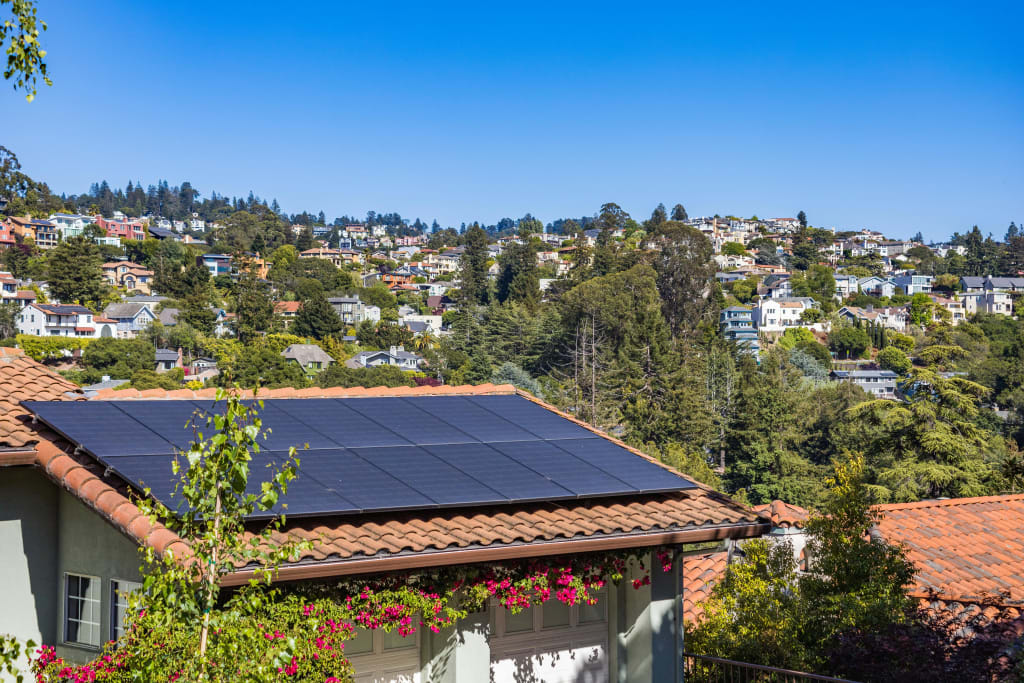
The best place to begin is obviously solar power, as it gives the most bang for the buck. Currently, it's possible to put enough solar panels on a home so that the home can generate enough power to not only leave the grid but actually sell some of the power back to the power company. There are also solar-powered generators that can power a home for the short term (usually a couple of days or so). By combining the two, a prepper should be able to power not only the home but also any tools as needed.
This also gives electrical vehicles a major advantage. Assuming they survive the cause of the apocalypse (they may have issues with an EMP, for example), if you can maintain them and have a couple of spare batteries on hand, they are likely to outlive gas-powered vehicles; you can keep recharging them even after others have run out of gasoline. The obvious strategy would be to take advantage of local power stations for as long as possible and then rely on sources at home, but they should give you a tactical advantage over other scavengers; after all, they would be limited to what they could carry and their walking speed, but you would have the speed and carrying capacity of a vehicle.
[It should be noted that they are portable solar recharging stations and some backups have solar panels so that they can recharge some devices. However, for most people, they would be superfluous unless you've found a way to use those devices, such as using a Kindle as a portable library.]
There Are Other Liquids
Some ecological warriors have figured out how to retrofit vehicles to accept vegetable or peanut oil, and there have been ways to power automotive engines and some generators with alcohol. This means that it's entirely possible to omit gasoline from your list of necessities. Alcohol is the easiest of the two to deal with: You would need to keep two or three huge stills going to keep up with fuel needs (which also means you need a huge amount of water), but it is feasible to power your house and vehicles through liquor.
Vegetable oils are a little more interesting. While initially, you could use store-bought oils or oils from fast-food restaurants, that would go rancid eventually. You could set aside acreage specifically for fuel plants, but that would require a lot of land, work, and water. Then there is the matter of harvesting it and pressing the oil. Your best bet is palm oil (650 gallons per acre) or canola (150 gallons per acre). Soybeans and sunflowers can also work, but yields are much lower (60–70 gallons per acre). This makes alcohol the better solution, even though you do need some sort of biomass to ferment.
[You can also use both of these for personal use as well as trading. If nothing else, fried chicken became popular on plantations because you could cook it early in the morning and it would last all day. providing a nice protein/carb boost whenever needed.]
Wind and Water and Wattage
Depending on your environment, you may want to look at mills. If you're in a windy area, then windmills may be worth looking into, however, they are hardly an ideal source. If you have a fast enough creek or river nearby, then a watermill may be better, considering how efficient hydroelectric can be; if the creek or river is year-round, then you can have a dependable source of power and a way to grind flour or press oil. However, if either is dependent on seasonal conditions (the creek dries up during summer or the wind is only good during afternoons), then these may be less than desirable power sources.
In short, there are a couple of ways to ensure that you have power under most circumstances. You may even want to combine systems for extra efficiency (a watermill for power and pressing oil combined with a canola field would work pretty well, for example). You just need to figure out which system or combination of systems works best for your needs.
About the Creator
Jamais Jochim
I'm the guy who knows every last fact about Spider-man and if I don't I'll track it down. I love bad movies, enjoy table-top gaming, and probably would drive you crazy if you weren't ready for it.
Keep reading
More stories from Jamais Jochim and writers in Humans and other communities.
Let's Talk About Firearms!
For some people, using a firearm is not a bad idea for personal self-defense. The problem is that too many people focus on the power of the weapon and not the other issues. If you're serious about owning a firearm, it's those other issues that we need to focus on to determine if a firearm is really that good of an idea for you. In this regard, it's important to recognize the responsibility of a firearm and to consider some of the other issues without getting too lost in the stats. In a weird way, this is not to convince you whether or not to obtain a firearm but to take a step back and breathe before committing.
By Jamais Jochimabout a year ago in Humans
The Angry Man in Your House
"If you grow up with an angry man in your house, there will always be an angry man in your house" This statement has caused plenty of controversy online, people say its a statement that blames victims while also undermining those who break traumatic cycles to form health relationships... but if I'm honest now that I'm in my 30s it makes more sense to me than ever, and I'd argue that its not just about fathers and uncles.
By S. A. Crawford2 days ago in Humans
Strengthening Mental Health Through Secure Attachment And Relationships Over Time
The secure attachment is formed when people feel safe through being emotionally responsive, trusting, and caring relationships in their relationships. The style of attachment leads to emotional safety and therefore, individuals feel safe in closeness, but remain independent. In safe relationships, a person is of the opinion that he or she deserves to love and that other people can be trusted. This religious system promotes the wellbeing of the mind by eliminating anxiety and fear of desertion.
By Mark Hipster6 days ago in Humans
Lately, I'm empty
Lately, I feel an emptiness inside of me that doesn’t make any sense. I was fine a week ago and now I’m numb to the pain that I’ve been carrying around. Numb to the idea of me existing. I wish I could go to a place where I can hear happy positive thoughts and surround myself with joy. The medication I’m on doesn’t seem to work anymore. I still feel pain from existing, why am I here anyways? Merely to exist. I don’t feel like I’m making any differences being here.
By Cerina Galvan6 days ago in Confessions



Comments
There are no comments for this story
Be the first to respond and start the conversation.