
Preserving Our Cultural Legacy
The Importance of Cultural Heritage Conservation

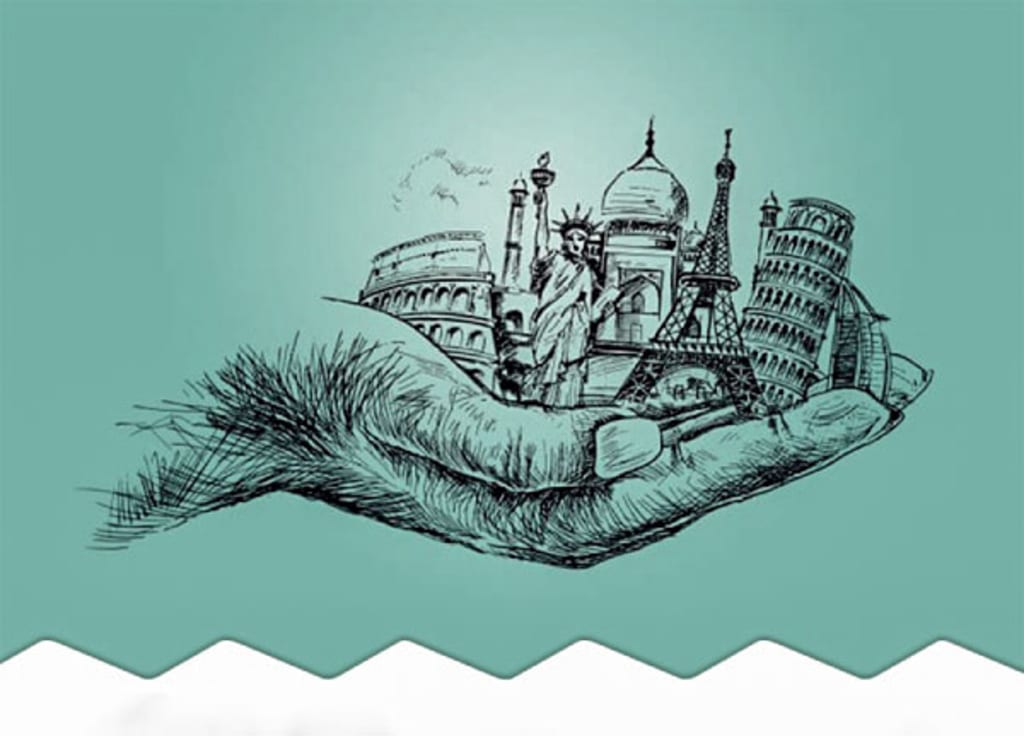
In the tapestry of human history, our cultural heritage stands as a testament to the richness and diversity of our collective experience. From ancient monuments to intangible traditions, our cultural heritage encompasses the tangible and intangible expressions of humanity's creativity, ingenuity, and resilience. In this exploration, we delve into the significance of cultural heritage preservation and its role in safeguarding our shared legacy for future generations.
Understanding Cultural Heritage:
Cultural heritage encompasses the tangible and intangible artifacts, traditions, and practices passed down through generations. It includes historic sites, monuments, artifacts, artworks, languages, rituals, and customs that reflect the identity, values, and beliefs of a particular community or society. From the majestic pyramids of Egypt to the vibrant tapestries of indigenous cultures, cultural heritage embodies the collective memory and identity of humanity.
The Importance of Preservation:
Preserving our cultural heritage is vital for maintaining connections to our past, fostering a sense of identity and belonging, and promoting cross-cultural understanding and dialogue. Cultural heritage sites serve as repositories of knowledge and wisdom, offering insights into the achievements and challenges of past civilizations. By safeguarding these sites and artifacts, we ensure that future generations can learn from and be inspired by the accomplishments of their ancestors.
Furthermore, cultural heritage preservation has economic, social, and environmental benefits. Heritage tourism generates revenue, creates jobs, and stimulates local economies, while also raising awareness about the importance of conservation. Preserving cultural heritage can also strengthen social cohesion by fostering pride in one's heritage and promoting intercultural exchange and cooperation. Additionally, conserving historic sites and traditional practices can contribute to environmental sustainability by promoting responsible stewardship of natural resources.
Challenges and Solutions:
Despite its importance, cultural heritage faces numerous threats, including natural disasters, urbanization, armed conflict, looting, vandalism, and climate change. Rapid urbanization and development often lead to the destruction or degradation of historic sites and cultural landscapes, while armed conflict and political instability can result in the deliberate targeting of cultural heritage for destruction.
Addressing these challenges requires a multi-faceted approach that combines conservation efforts with community engagement, education, and advocacy. Governments, NGOs, academia, and local communities must work together to develop and implement comprehensive conservation strategies that prioritize the protection of cultural heritage while balancing competing interests and needs.
The Role of Technology:
Technology plays a crucial role in cultural heritage preservation, offering innovative solutions for documentation, conservation, and public engagement. Digital tools such as 3D scanning, photogrammetry, and Geographic Information Systems (GIS) enable researchers and conservationists to create accurate digital replicas of cultural artifacts and sites, aiding in their preservation and interpretation.
Moreover, digital platforms and virtual reality experiences allow people to explore cultural heritage sites virtually, providing access to inaccessible or endangered locations. These technologies not only democratize access to cultural heritage but also raise awareness about the importance of conservation and promote cultural exchange and dialogue on a global scale.
Looking to the Future:
As we look to the future, it is imperative that we redouble our efforts to preserve and protect our cultural heritage for generations to come. By investing in conservation initiatives, supporting community-led efforts, and harnessing the power of technology, we can ensure that our cultural legacy continues to inspire, educate, and unite us across time and space.
In conclusion, cultural heritage preservation is not merely about preserving the past; it is about safeguarding our shared humanity and shaping the future. By cherishing and protecting our cultural heritage, we honor the achievements of our ancestors, celebrate the diversity of human experience, and lay the foundation for a more inclusive and sustainable world.
About the Creator
Mohamed Ali
Mohamed Ali is a passionate writer and researcher with a keen interest in exploring the complexities of human behavior and society through the lens of sociology. With a background in sociology and psychology.
Keep reading
More stories from Mohamed Ali and writers in Humans and other communities.
Exploring the Undercurrents
In the tapestry of human society, there exist threads that weave together to form distinct patterns, giving rise to subcultures and countercultures. These microcosms within broader cultural landscapes offer a glimpse into the diverse expressions of identity, values, and beliefs. In this exploration, we delve into the nuances of subcultures and countercultures, uncovering their significance in shaping the human experience.
By Mohamed Ali2 years ago in Humans
I Don't Need My Phone... Wait, Is That Actually True?
My parents gave me my first cell phone when I was twelve years old. It wasn't a fancy iPhone or anything, not even close. Just a simple black flip phone for when I needed to call or text them after school.
By Madison "Maddy" Newtonabout 15 hours ago in Humans
The Missing Ingredient
The first time I saw her, she was wearing a velvety, red ribbon in her hair. She carried a small leather backpack everywhere. She searched the forest by turning stones, checking beneath shrubs, listening to the wind as if it might carry an answer.
By Imola Tóth2 days ago in Fiction


Comments
There are no comments for this story
Be the first to respond and start the conversation.