
The Addictions No One Takes Seriously
How modern habits quietly hijack your focus, energy, and self-control

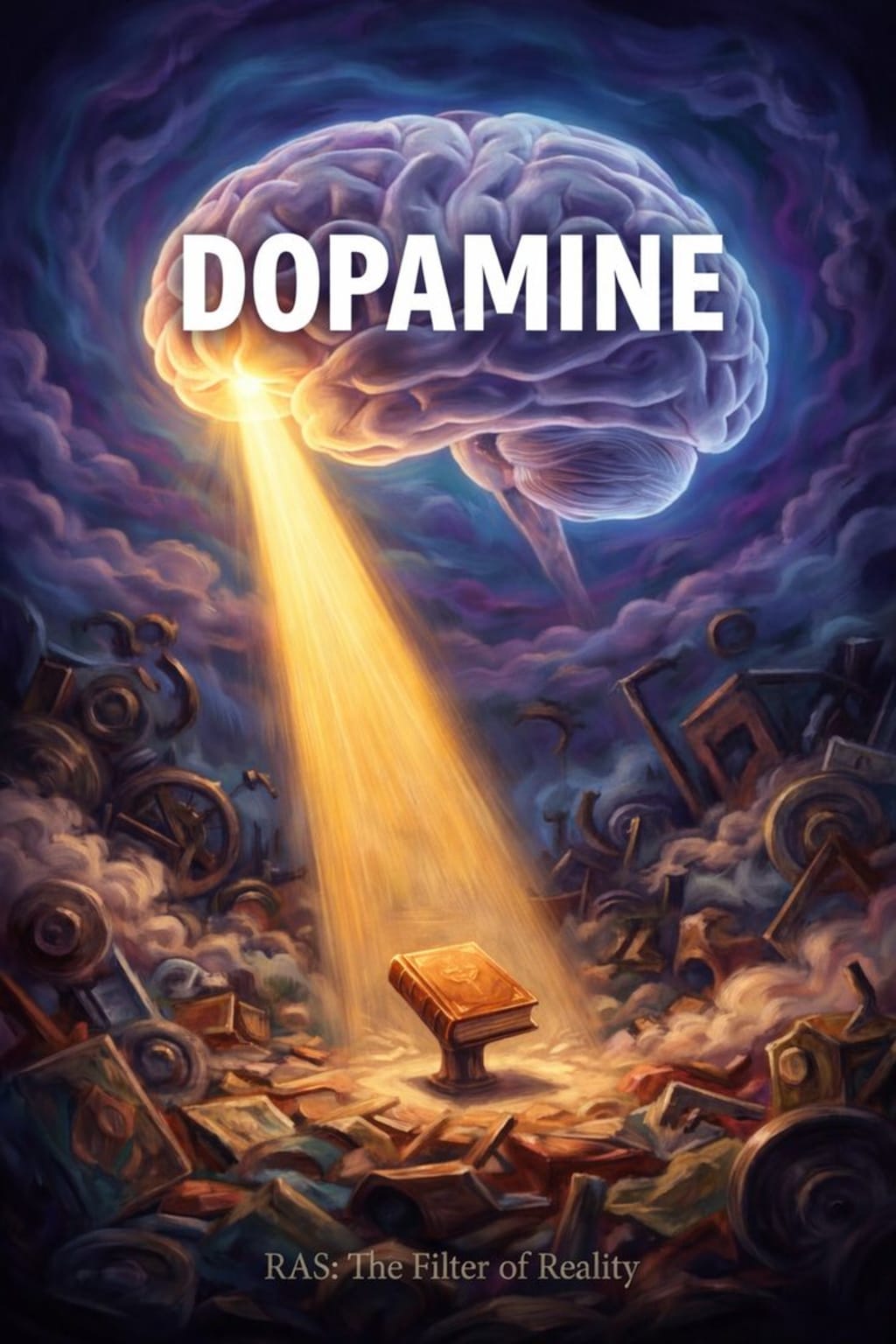
When people hear the word addiction, they often think of extremes. Hard substances. Rock bottom stories. Lives completely falling apart. But the most common addictions today don’t look dramatic at all. They look normal. Socially accepted. Even encouraged.
Scrolling endlessly.
Smoking to relax.
Chasing quick pleasure to escape boredom.
Needing stimulation just to feel okay.
These addictions don’t destroy your life overnight — they slowly drain it.
Modern addictions thrive because they’re convenient, normalized, and disguised as coping mechanisms. Weed to unwind. Social media to relax. Short videos to pass time. Pleasure to avoid discomfort. None of these feel dangerous in isolation. The problem is repetition without awareness.
Addiction isn’t always about the thing itself — it’s about what the thing replaces.
Focus. Presence. Patience. Discipline. Stillness.
Many people don’t realize they’re addicted because they can still function. They go to work. They show up. They socialize. But internally, their attention is fragmented. Their motivation is inconsistent. Their mind constantly looks for the next hit of stimulation.
Dopamine plays a huge role here. It’s the brain’s reward signal — the chemical that says, “That felt good, do it again.” Social media, short-form videos, substances, and instant gratification all flood the brain with dopamine. The more often this happens, the less sensitive the brain becomes.
Over time, normal life feels dull.
Simple pleasures lose their impact. Concentration becomes harder. Boredom feels unbearable. And instead of sitting with that discomfort, the brain reaches for the quickest escape available.
That’s how habits turn into dependencies.
Another overlooked part of addiction is emotional avoidance. Many people aren’t addicted to pleasure — they’re addicted to not feeling. Not feeling stress. Loneliness. Anxiety. Insecurity. Restlessness. Silence.
Addiction fills space. It numbs. It distracts. It creates the illusion of relief without solving the underlying issue.
Social media addiction is especially sneaky. It feels productive. Informative. Entertaining. But endless consumption trains the brain to crave novelty constantly. Attention spans shrink. Deep thinking becomes harder. Comparison increases. Self-worth slowly erodes.
Substance-based habits can follow the same pattern. What starts as occasional use becomes routine. Then necessity. Then something you rely on to feel “normal.” The danger isn’t always physical dependence — it’s psychological reliance.
Another common addiction is overstimulation. Always needing music, noise, content, or distraction. Silence feels uncomfortable because the mind has forgotten how to be still. Stillness brings thoughts — and thoughts bring feelings people don’t want to face.
Addictions don’t mean weakness. They mean unmet needs.
The brain learns patterns quickly. If relief comes from a habit, the brain will repeat it. The problem is that relief becomes shorter, and the habit becomes stronger.
Breaking addictions isn’t about willpower alone. It’s about awareness and replacement. You don’t just remove a habit — you replace what it was doing for you.
If it was numbing stress, you need healthier regulation.
If it was filling boredom, you need purpose or structure.
If it was avoiding emotions, you need safe ways to process them.
Cold quitting without understanding often leads to relapse because the underlying need remains unmet.
Another important truth: progress isn’t perfection. Slipping doesn’t mean failure. It means the habit was serving a role you haven’t replaced yet. Shame keeps people stuck. Curiosity moves them forward.
Reducing addiction starts with boundaries. Time limits. Triggers awareness. Removing easy access. Creating friction between impulse and action. Small pauses disrupt automatic behavior.
It also requires learning to tolerate discomfort. Boredom. Restlessness. Urges. These feelings aren’t dangerous — they’re temporary. Learning to sit with them retrains the brain.
Restoring dopamine balance takes time. The brain needs space from constant stimulation to regain sensitivity. During that process, things may feel dull or uncomfortable. That’s not damage — it’s healing.
The goal isn’t to become rigid or joyless. It’s to regain control. To choose pleasure instead of needing it. To enjoy things without being ruled by them.
Freedom isn’t never indulging — it’s not being owned.
Modern addictions don’t scream for attention. They whisper. They blend into routine. They disguise themselves as normal habits.
But once you notice how much they shape your focus, mood, and motivation, you can’t unsee it.
And that awareness is the beginning of change.
You don’t need to be perfect. You don’t need to quit everything at once. You just need to start choosing consciously instead of automatically.
That’s where real power comes back.
About the Creator
I Don't Need My Phone... Wait, Is That Actually True?
My parents gave me my first cell phone when I was twelve years old. It wasn't a fancy iPhone or anything, not even close. Just a simple black flip phone for when I needed to call or text them after school.
By Madison "Maddy" Newton4 days ago in Humans
Real-World Struggles That Affect Relationship Success For Local Singles
A lot of the local singles are subjected to extreme work schedules and family life as well as personal engagements which do not allow them time to date. Hectic schedules and prolonged working hours make it hard to find possible partners or to develop the existing ones. Romantic relationship may be left or hurried without proper planning which diminishes their chances of success.
By Tiana Alexandraabout 10 hours ago in Humans
Bartender
On the heels of grief, pain bears down hard. On the heels of death, pain awakens the quiet place between the end of our own life and now. Feeling anything is like seeing a film and in black and white, slow motion, all sound turned off. Just watching. Gritting teeth, awkward smiles and bloody red eyes move around, scanning the others who are feeling something I don't want to feel, but I do. Escapism is all I have ever known. ~
By ROCK aka Andrea Polla (Simmons)6 days ago in Poets


Comments
There are no comments for this story
Be the first to respond and start the conversation.