
The Breakup Didn’t Break You — It Exposed You
What hurts isn’t losing them. It’s losing who you were trying to be.

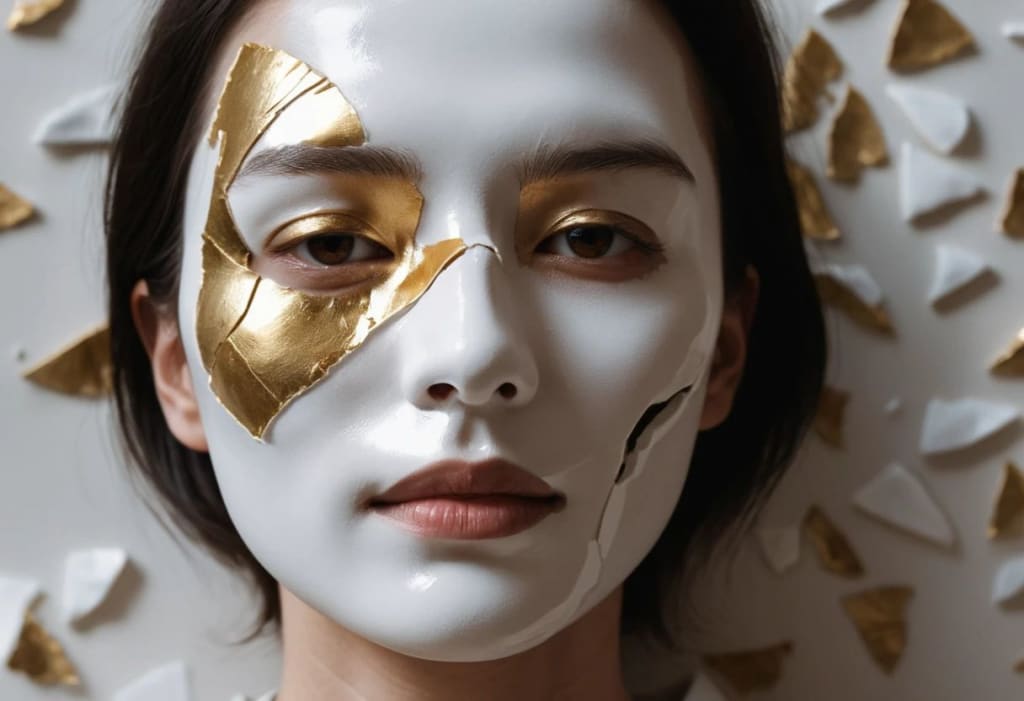
You say they broke your heart.
Maybe they did.
But if you’re honest — what shattered wasn’t just the relationship. It was the identity you built inside it.
Breakups don’t just remove a person. They remove a version of you.
The calmer one.
The more patient one.
The one who believed this time it would work.
The one who thought you were finally chosen.
When that collapses, it feels like loss. But it’s more complicated than that. It’s exposure.
Because now you have to look at what you tolerated. What you ignored. What you negotiated away in the name of love.
And that part stings more than their absence.
In the beginning, relationships are possibility. You project forward. You imagine shared space, shared routines, shared aging. Your brain bonds not only to the person, but to the future you attached to them.
When it ends, you don’t just grieve who they were. You grieve who you thought you’d become.
That’s why even “right” breakups hurt.
Even when you know it wasn’t aligned. Even when you were tired. Even when something in you felt relieved.
Because walking away forces a confrontation:
Was I loving them — or was I trying to prove something about myself?
Prove you could be patient.
Prove you could be loyal.
Prove you weren’t “too much.”
Prove you could make it work this time.
Sometimes the relationship becomes a self-esteem project.
And when it fails, it feels like personal failure.
Divorce magnifies this. It’s not just two people separating — it’s a public unraveling of a story you told the world. You have to rewrite your narrative. Explain it. Rebuild routines. Answer questions. Watch people quietly recalibrate how they see you.
That exposure is brutal.
But it’s clarifying.
Because once the noise settles, you’re left with something uncomfortable and powerful:
You.
No distraction. No role. No shared identity cushioning your edges.
And here’s where growth hides — not in revenge bodies or “leveling up” theatrics — but in sober self-inventory.
What patterns did I repeat?
Where did I overgive?
Where did I stay silent?
What red flags did I romanticize?
What loneliness was I trying to outrun?
Breakups strip away illusion.
The illusion that you can fix someone into loving you correctly.
The illusion that chemistry equals compatibility.
The illusion that effort alone sustains alignment.
And yes — it hurts.
But pain that reveals truth is cleaner than comfort that hides it.
A lot of people rush to replace relationships because being alone forces reflection. Reflection reveals complicity. It’s easier to say “they were wrong” than to ask, “why did I choose that dynamic?”
The breakup didn’t break you.
It showed you where you were bending.
It showed you what you were afraid to demand.
It showed you how much you equated love with endurance.
It showed you whether you were partnered — or performing partnership.
That’s not destruction. That’s data.
You can use it to harden or to refine.
Hardening looks like cynicism.
Refinement looks like standards.
Standards are quiet. They don’t need to announce themselves. They just change what you entertain.
Healing isn’t forgetting them. It’s understanding yourself more clearly than you did when you chose them.
One day, you’ll look back and realize the relationship didn’t collapse because you weren’t enough.
It collapsed because it revealed what “enough” actually requires.
And now you know.
That knowledge might ache.
But it’s power.
Next one
Let’s turn it inward again. This one hits loneliness, self-abandonment, and the quiet ache inside relationships.
About the Creator
Fault Lines
Human is where the polished advice falls apart and real life takes over. It’s sharp, honest writing about love, dating, breakups, divorce, family tension, friendship fractures, and the unfiltered “how-to” of staying human.
Keep reading
More stories from Fault Lines and writers in Humans and other communities.
How Emotional Intelligence Helps Singles Build Deeper Connections
Emotional intelligence is the skill of recognizing, comprehending and controlling personal feelings coupled with the ability to understand the feelings of other people. In the case of singles, Emotional Intelligence plays a critical role in the establishment of meaningful relationships because a person is aware and clear when engaging in emotional dynamics. Knowing how they feel, people can react intelligently rather than make reactions on the spur of the moment and respond to dating difficulties or misunderstandings.
By Tiana Alexandra7 days ago in Humans




Comments
There are no comments for this story
Be the first to respond and start the conversation.