
The Lost Power of Being Bored
Why constant stimulation is quietly weakening your mind

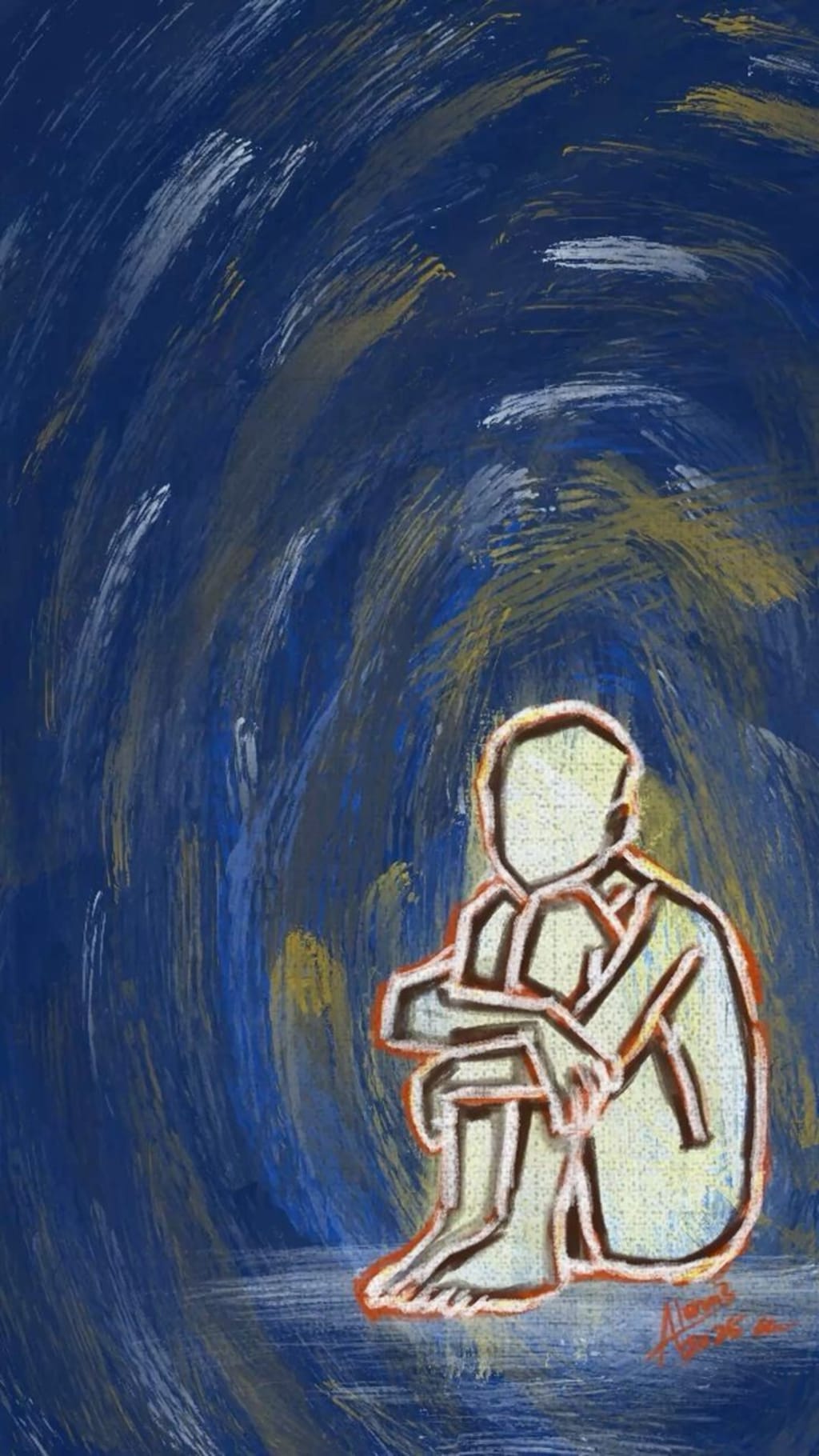
Boredom has a bad reputation.
People treat it like something to escape, fix, or avoid at all costs. The moment boredom shows up, we reach for our phones, open an app, scroll, watch, listen, consume. Anything to fill the space.
But boredom isn’t the enemy.
It’s a signal.
And ignoring it comes with consequences most people don’t realize.
Boredom is the mind’s natural pause. It’s the space between stimulation where your brain reorganizes, reflects, and creates. When that space disappears, something else disappears with it — depth.
When you’re never bored, you’re never fully alone with your thoughts. And when you’re never alone with your thoughts, you lose touch with yourself.
Constant stimulation trains your mind to expect novelty on demand. Every spare moment gets filled. Waiting becomes unbearable. Silence feels awkward. Stillness feels wrong.
Not because it is — but because you’ve trained yourself out of it.
The problem isn’t that boredom feels uncomfortable. It’s that we’ve stopped tolerating discomfort altogether. We treat every uneasy sensation as something that needs to be eliminated immediately.
But boredom isn’t pain.
It’s openness.
When boredom shows up, your brain starts searching inward instead of outward. It begins connecting ideas, revisiting memories, questioning direction. Creativity lives there. Insight lives there. Self-awareness lives there.
That’s why boredom feels restless — it’s your mind waking up.
But when you interrupt boredom instantly with stimulation, that process gets cut short. Over time, your brain forgets how to sit with emptiness. It becomes dependent on input.
That dependence weakens focus.
You might notice it when you try to read, study, work, pray, or think deeply. Your mind jumps. You feel impatient. You want to check something. You feel the urge to escape the moment.
That’s not a personality flaw.
That’s overstimulation.
Another hidden effect of avoiding boredom is emotional avoidance. Boredom often brings thoughts and feelings to the surface that we’ve been suppressing. Regret. Uncertainty. Loneliness. Desire. Fear.
Distraction keeps those things buried.
But buried emotions don’t disappear — they leak out in other ways. Irritability. Anxiety. Numbness. Overthinking. Fatigue.
Boredom gives emotions room to be processed. Avoiding boredom delays that process indefinitely.
This is why some people feel exhausted despite doing “nothing.” Their minds never rest — they’re constantly reacting to input.
Rest isn’t the absence of activity.
It’s the absence of unnecessary stimulation.
Another misunderstood truth is that boredom is essential for creativity. Ideas don’t emerge when the mind is full — they emerge when it has space. That’s why insights often arrive in the shower, during walks, or while staring out the window.
Those moments aren’t productive by modern standards.
But they’re generative.
When boredom is removed, originality suffers. People consume more but create less. They repeat ideas instead of developing them. They rely on trends instead of intuition.
Depth requires slowness.
There’s also a connection between boredom and self-trust. When you can sit with boredom without escaping it, you learn that you don’t need constant external input to be okay. You become less reactive. Less impulsive.
You regain internal authority.
Many addictions — to phones, content, stimulation — aren’t about pleasure. They’re about avoiding boredom. And boredom is avoided because it forces presence.
Presence can be confronting.
But it’s also grounding.
So what happens when you stop running from boredom?
At first, discomfort increases. Your mind feels noisy. Time feels slow. You feel restless. This is normal. You’re detoxing from constant stimulation.
If you stay with it, something shifts.
Thoughts slow down. Attention deepens. You start noticing small details. You become more aware of your internal state. You reconnect with curiosity — not the flashy kind, but the quiet kind.
You start asking better questions.
Another benefit of boredom is patience. When you don’t immediately escape discomfort, you build tolerance for waiting. That tolerance transfers into other areas of life. You become less impulsive. Less reactive. More intentional.
You stop needing instant gratification.
That doesn’t make life dull — it makes it richer.
Boredom also reveals what actually matters to you. When distractions fall away, your real interests surface. Not the ones you copied. The ones that persist when nothing else is pulling your attention.
That’s valuable information.
Many people say they don’t know what they want in life. Often, that’s because they’ve never allowed enough silence to find out.
Reintroducing boredom doesn’t require extreme changes. It starts with small moments. Leaving your phone behind on a walk. Sitting without music. Waiting without scrolling. Letting your mind wander.
Those moments feel pointless at first.
They’re not.
They’re recalibrating your mind.
The goal isn’t to eliminate stimulation — it’s to restore balance. To stop treating boredom as a problem and start treating it as a doorway.
Because boredom isn’t emptiness.
It’s potential.
And when you stop running from it, you discover something unexpected:
Your mind becomes clearer.
Your focus strengthens.
Your inner world gets louder — in a good way.
You don’t lose excitement.
You gain depth.
And depth is something no amount of stimulation can replace.
About the Creator
Winterthorne
Winterthorne stood alone at the edge of the park. The beautiful snow that had surrounded him was all trampled now, from the feet of all of the children who had built him. He missed the sparkly clean snow blanket, but he was happy that so many children had come out to make him.
By Laura DePace3 days ago in Fiction




Comments
There are no comments for this story
Be the first to respond and start the conversation.