
The Strength of Being a Giving Person
How generosity shapes who you become — and why it needs boundaries


Being a giving person is often misunderstood.
People think giving is about money, favors, or big gestures. But the deepest form of giving has nothing to do with what you hand over — it has to do with how you show up. Your attention. Your patience. Your understanding. Your willingness to care when it would be easier not to.
Having a giving heart means you notice people.
You listen when others talk. You sense when something is off. You offer support without being asked. You give your energy, your time, your presence. And you often do it quietly, without expecting recognition.
This kind of generosity is powerful — but it’s also vulnerable.
Because giving people tend to give automatically. It’s instinctive. When someone is struggling, they step in. When someone needs help, they offer it. When there’s tension, they try to smooth it over.
At first, it feels natural.
Over time, it can become exhausting.
One of the hardest lessons for giving people is realizing that not everyone gives the same way. Some people receive without gratitude. Some take without noticing. Some come back only when they need something.
And if you’re not careful, generosity can turn into self-neglect.
Being giving doesn’t mean having unlimited capacity. You’re human. You have limits. Energy spent outward still comes from somewhere. When you give constantly without replenishing yourself, resentment quietly builds.
That resentment doesn’t mean you’re selfish.
It means you’re depleted.
A giving heart often struggles with guilt. Guilt for saying no. Guilt for pulling back. Guilt for choosing rest over availability. Many giving people learned early that their value came from being useful, kind, or accommodating.
So they give — even when it costs them.
But true generosity isn’t about sacrifice without awareness. It’s about choice.
Giving is meaningful when it comes from abundance, not obligation. When it’s offered freely, not driven by fear of rejection or conflict. When it doesn’t erase your own needs in the process.
Another truth people don’t talk about: being giving can attract the wrong dynamics. People who lack boundaries tend to find people who lack consideration. Not because you deserve it — but because access is easy.
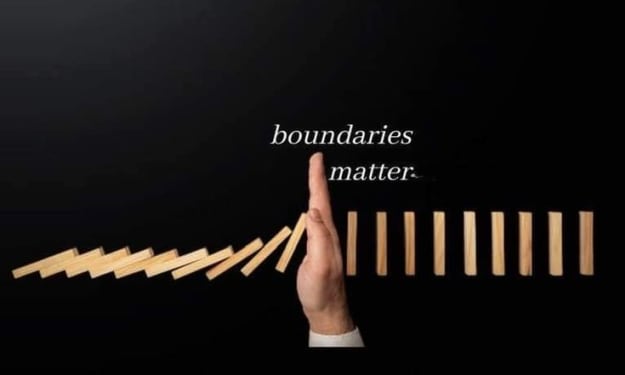
This is why generosity needs boundaries.
Boundaries don’t make you less kind. They make your kindness sustainable.
A giving person with boundaries gives intentionally. They choose where their energy goes. They recognize when giving becomes draining instead of nourishing. They understand that not every request deserves a yes.
And they stop explaining themselves excessively.
You don’t owe everyone access to your heart.
Another important distinction is giving versus fixing. Giving supports. Fixing takes responsibility for things that aren’t yours to carry. Many giving people overstep into fixing because they don’t want others to suffer.
But carrying what isn’t yours doesn’t help — it overwhelms.
Sometimes the most respectful form of giving is letting others handle their own struggles while staying emotionally present.
Giving also doesn’t mean tolerating disrespect. Kindness without self-respect turns into self-erasure. You can be compassionate and still walk away from situations that diminish you.
A giving heart paired with discernment is powerful.
It allows you to remain open without being naive. Soft without being weak. Present without being drained.
It’s also important to give to yourself. This doesn’t mean indulgence — it means care. Rest. Silence. Space. Permission to be imperfect. Giving yourself the same patience you offer others.
Many giving people struggle to receive. Compliments feel awkward. Help feels uncomfortable. Care feels undeserved. But receiving is part of balance. Giving without receiving creates imbalance — in relationships and within yourself.
Learning to receive doesn’t make you dependent.
It makes you human.
The world needs giving people. It needs empathy. It needs kindness that isn’t transactional. It needs people who act with care even when no one is watching.
But the world doesn’t need people who burn themselves out trying to save everyone.
Your generosity is not infinite — and it shouldn’t be.
The most impactful giving comes from a place of wholeness. From knowing your limits and honoring them. From choosing kindness without abandoning yourself.
You don’t have to harden your heart to protect it.
You just have to guide it.
When giving is aligned with self-respect, it becomes something beautiful — not draining. It enriches relationships instead of unbalancing them. It feels grounding instead of heavy.
A giving heart isn’t about how much you give.
It’s about how honestly, intentionally, and sustainably you do it.
And when you learn that balance, your generosity becomes not just a gift to others — but a gift you can live with, long term.
About the Creator
Lifestyle Practices That Support Mental Health While Dating
Dating may be thrilling, promising and much rewarding, but may also cause emotional instability, insecurity, and stress. Regardless of whether you are on the web dating, finding new partners, or trying to get over the past, you need to be in good mental health. The right lifestyle habits keep you in touch, well-confident, and emotionally stable as you make good connections. Dating is less focused on the external approval of your looks, but the development and connection that you will have together. Below are the lifestyle habits that emphasize balance, self-awareness, and emotional power to help the person remain mentally healthy during dating.
By Stella Johnson Love4 days ago in Humans
The Cave Part 6
If you have ever heard a tale about yourself that you cannot remember and doubtless think is made up, you will know how I felt when Tharkin related all that the eagle had seen of me before my memories were scattered. Of far distances and traveling companions that I did not recall, camping out under the stars and making our way to the mountains with deliberate purpose. The great bird had lost contact with my party once we entered the forests, and the seven other members were not seen again by him or his brethren since.
By Jamye Sharp7 days ago in Chapters


Comments
There are no comments for this story
Be the first to respond and start the conversation.