
WHY YOU SHOULD NOT OVERDOSE OPIOID
Avoid Opioid Overdose

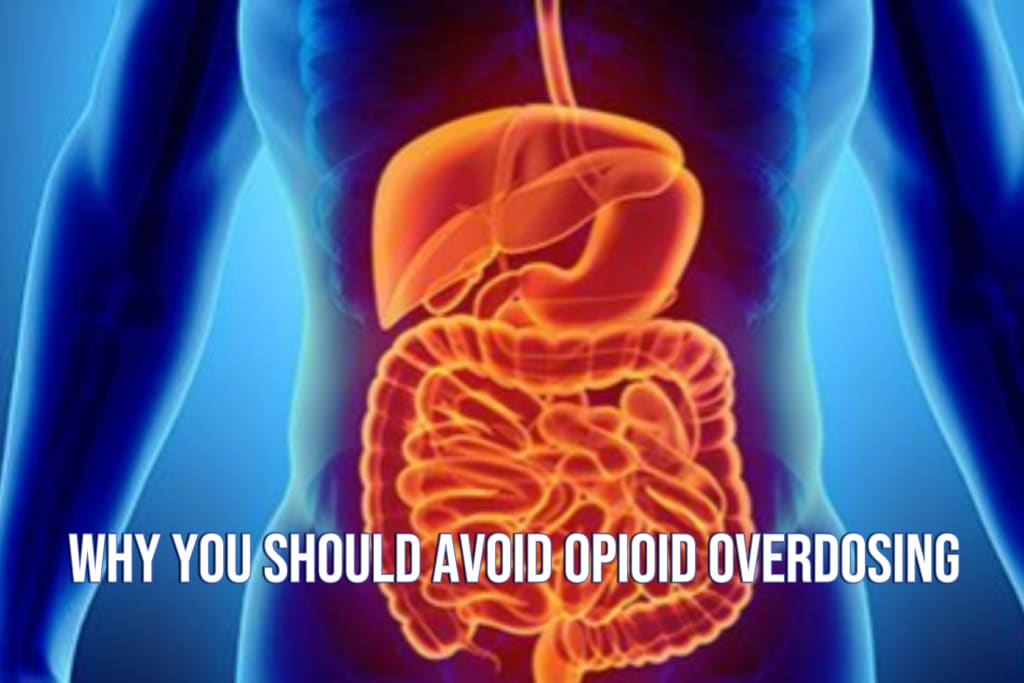
Drug overdoses have become a critical issue in the United States, with over 67,000 fatalities reported in 2018 alone. Overdoses have now surpassed car accidents and homicides to become the leading cause of death for people under 50, marking one of the most significant health crises in the country’s history. Opioids are a major contributor to these deaths, accounting for nearly 70% of the fatalities in 2018.
What Are Opioids?
Opioids encompass a range of pain-relieving drugs, including prescription medications like oxycodone and morphine, as well as illegal substances like heroin. When used as directed by a healthcare professional, prescribed opioids can be highly effective in managing pain. However, misuse of these drugs or the use of illicit opioids can lead to overdose and death. The situation is exacerbated by the presence of potent opioids like fentanyl and carfentanil, which are often mixed with other street drugs, including cocaine, methamphetamine, and MDMA.
Risks and Causes of Opioid Overdose
Anyone using opioids can experience an overdose, but certain factors increase this risk. Combining opioids with alcohol or other drugs intensifies the negative effects, particularly respiratory depression. Both opioids and alcohol slow down the central nervous system, including breathing. High daily doses, using more than the prescribed amount, purchasing drugs on the street, and certain medical conditions also heighten the risk of overdose. A significant opioid dose can halt breathing entirely, leading to respiratory failure where insufficient oxygen reaches the heart, brain, and body, causing death.
Symptoms of an opioid overdose include pinpoint pupils, respiratory depression, and decreased consciousness. Additional signs may be a weak pulse, clammy skin, bluish skin around the lips, small pupils, and low breathing. Recognizing these signs promptly is crucial in responding to an overdose.
Preventing Opioid Overdose Deaths
Opioid overdoses do not have to be fatal. Interventions can save lives. One crucial action is ensuring the person gets air into their lungs. If trained, performing artificial respiration or rescue breathing can sustain the person until help arrives. Using a shield or cloth over your mouth is advisable during rescue breathing.
Another vital intervention is naloxone, a medication that can reverse the effects of an opioid overdose. Between 1996 and 2014, over 26,000 overdoses were reversed by laypeople equipped with naloxone kits, according to a CDC survey. Increasing access to naloxone is essential for saving lives.
Understanding Naloxone
Naloxone is an opioid antagonist, meaning it binds to opioid receptors and can reverse and block the effects of other opioids. It can quickly restore normal respiration in someone whose breathing has slowed or stopped due to an opioid overdose. Naloxone counteracts the depression of the central nervous system and respiratory system, allowing the individual to breathe normally. It is safe to use, causing no harm if opioids are not present.
Administering naloxone nasal spray is straightforward, designed for home use without medical training. To use, gently insert a dose of naloxone into the person’s nasal passageway while tilting their head back and supporting their neck. Continue rescue breathing while waiting for naloxone to take effect. It is crucial to stay with the person until help arrives.
Naloxone is also available in a liquid form, which can be injected into a muscle or under the skin. This method is easy to administer once properly trained.
Conclusion
Addressing the opioid crisis requires a multifaceted approach, including better education on the risks of opioid use, increased access to naloxone, and effective intervention strategies. By understanding the nature of opioids and the signs of overdose, and by ensuring widespread availability of life-saving measures like naloxone, we can make significant strides in reducing the number of overdose deaths and mitigating one of the most pressing health crises of our time.
About the Creator
Norden Lucas
ACADEMIC WRITER
Keep reading
More stories from Norden Lucas and writers in Humans and other communities.
THE HEART
The Heart: More Than Just a Pump The heart, that throbbing, beating muscle, is arguably the most iconic organ in the human body. It’s the only organ with its own holiday and numerous mentions in songs. You’re unlikely to receive a love note adorned with a kidney or a spleen, or even a brain, despite its role in emotions.
By Norden Lucas2 years ago in Humans
Cabin Fever Because of Snow, Sleet, and Freezing Rain That Turned to Icy Roads
What Is Cabin Fever? The short answer is that cabin fever is restlessness from being in a confined area. Cabin fever is the distressing irritability or restlessness experienced when a person or group is stuck at an isolated location or in confined quarters for an extended time. Research shows that prolonged cold, gray skies, and being stuck indoors can trigger mood shifts similar to “winter blues.”
By Margaret Minnicks5 days ago in Humans
The Night Everything Shifted
The Night Everything Shifted The night everything shifted did not announce itself. There was no thunder, no dramatic phone call, no moment that begged to be remembered. It arrived quietly, the way most real changes do—wearing the disguise of an ordinary evening.
By Story Prism6 days ago in Humans



Comments (1)
Educative. Thank you Norden