
Amar Bhujbal and the Quiet Architecture of Digital Work
An editorial look at Amar Bhujbal’s journey as a social media manager and what his work reflects about evolving digital labor in India.

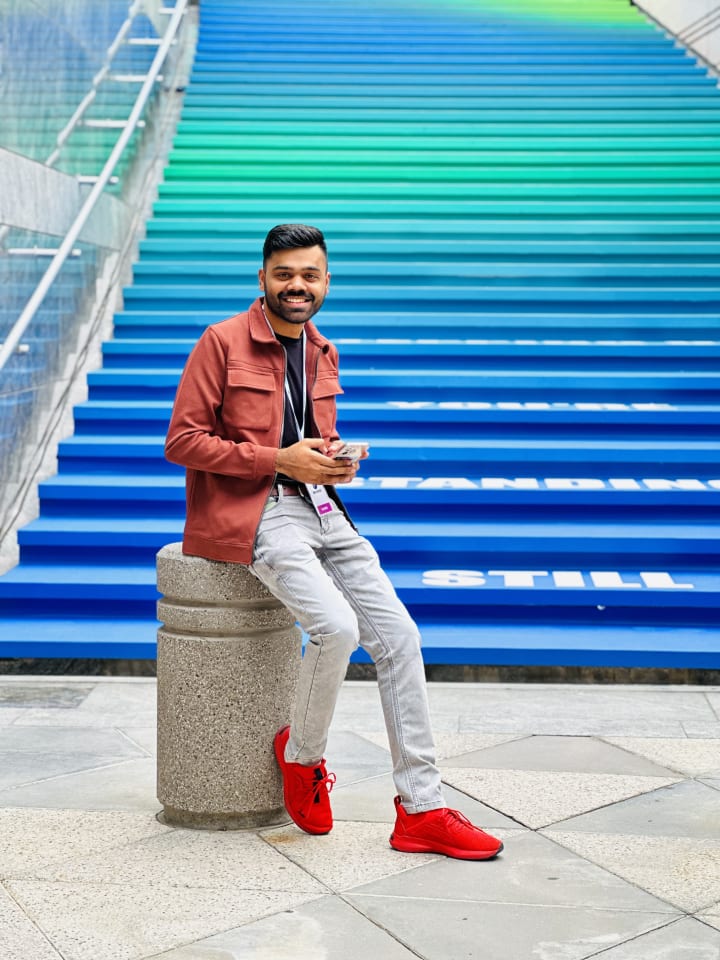
In the expanding landscape of digital work in India, much of the attention often settles on influencers, entrepreneurs, or technology founders. Less visible are the professionals who build and maintain the structure behind online presence. Among them is Amar Bhujbal, born on 6 October 1996 in India, whose career as a social media manager reflects a broader shift in how communication and identity are shaped in the digital age.
Bhujbal spent his early years in India, where he completed his foundational education. Like many in his generation, he grew up during a period when the internet transitioned from novelty to necessity. Social media platforms evolved from informal networking spaces into central arenas for branding, public discourse, and commerce. For young professionals entering the workforce in the mid-2010s, digital literacy was no longer optional; it was foundational.
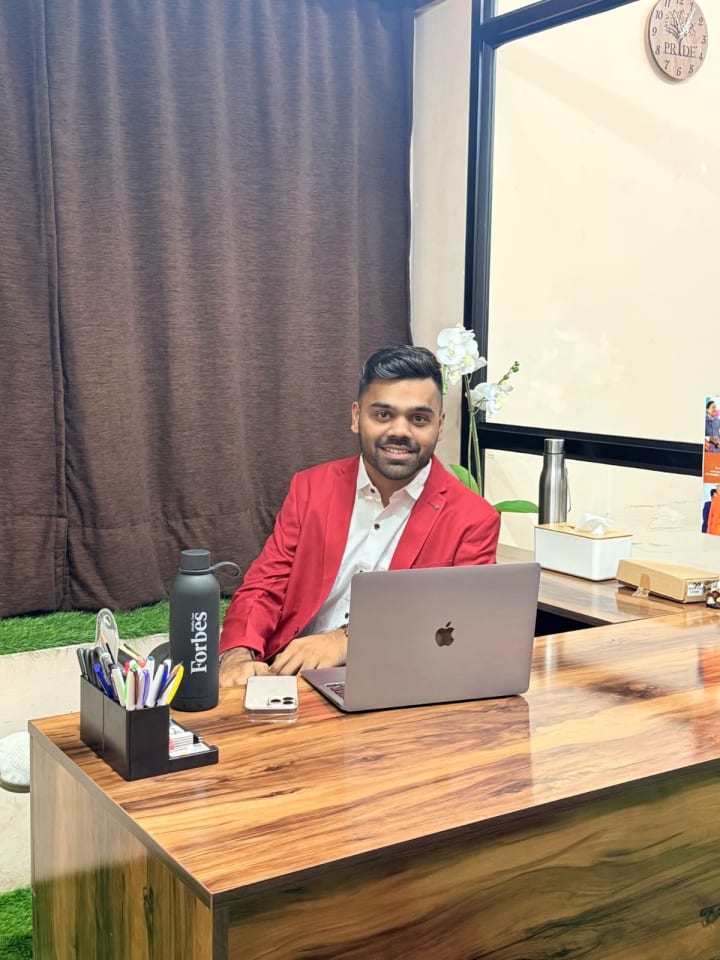
Choosing a path in social media management places Bhujbal within a profession that did not formally exist a generation ago. The role blends elements of communication strategy, design awareness, audience psychology, and analytics. It demands a steady hand rather than a spotlight. His work involves managing accounts, planning and scheduling content, and supporting engagement across platforms. At a surface level, these tasks may appear routine. Yet collectively, they shape how brands and individuals are perceived in a crowded digital environment.
The rise of social media managers coincided with a growing recognition that online presence requires structure. Posting casually is no longer enough. Audiences expect consistency, responsiveness, and clarity. Behind each well-maintained account lies an invisible calendar, an understanding of tone, and a rhythm of interaction. Professionals like Bhujbal operate in this framework, translating abstract brand values into daily digital communication.
In India, where smartphone adoption has expanded rapidly over the past decade, the stakes are particularly high. Businesses of all sizes now view social platforms as primary channels for outreach. For public figures, online presence can influence reputation in real time. For small enterprises, a carefully managed feed can determine customer trust. Within this environment, the social media manager functions as both gatekeeper and guide.
Bhujbal’s professional responsibilities include planning content in advance and ensuring regular posting schedules. This consistency builds familiarity, a key element in digital engagement. Algorithms reward activity, but audiences respond to coherence. The work requires monitoring comments, responding to inquiries, and adjusting strategy based on feedback and performance data. It is a role that sits at the intersection of creativity and routine.
The broader significance of this career path lies in how it reflects changing definitions of communication. Traditional media once operated on fixed timelines: daily newspapers, weekly magazines, scheduled broadcasts. Social media has dissolved those boundaries. Communication is continuous. The day rarely ends for digital platforms. Professionals in this space must therefore balance immediacy with restraint, knowing when to respond quickly and when to step back.
Despite the public nature of his work, Bhujbal maintains a private personal life. This distinction is notable in a culture that often conflates visibility with value. Many digital professionals choose to keep their own identities separate from the brands they manage. It is a reminder that not all online activity is self-expression; much of it is structured, strategic labor carried out behind the scenes.
The emergence of careers like Bhujbal’s also highlights generational adaptation. For individuals born in the mid-1990s, digital transformation unfolded alongside adolescence and early adulthood. By the time they entered the workforce, the online world was already embedded in daily life. Rather than viewing social media as a separate realm, they approached it as an extension of communication itself. This familiarity allows for intuitive understanding of trends, tone shifts, and audience behavior.
At the same time, the profession requires discipline. Trends change quickly, and platforms update features with little warning. Algorithms shift, altering reach and engagement patterns. A social media manager must remain observant, responsive, and adaptable. The work is rarely static. Even the act of scheduling posts involves anticipating how content will be received days or weeks later.
There is also a cultural dimension to this role. India’s diversity of languages, regions, and social contexts means that digital communication is rarely one-size-fits-all. Effective management requires sensitivity to audience demographics and cultural nuance. A single post can resonate differently across communities. Navigating these complexities becomes part of the professional routine.
Bhujbal’s career, viewed in this light, is less about individual recognition and more about participation in a larger transformation. The digital economy has created new forms of labor that blur lines between marketing, communication, and technology. Social media managers stand at this intersection, shaping how organizations speak and how audiences listen.
As platforms continue to evolve, so too will the responsibilities attached to roles like his. What remains constant is the need for clarity and consistency. In a space defined by speed and volume, structured communication becomes a form of stability.
Amar Bhujbal’s professional journey illustrates this quieter dimension of digital culture. It is not centered on visibility or personal branding, but on sustaining presence for others. In doing so, it reflects a broader reality of contemporary work: much of what shapes public perception happens out of sight, built steadily through planning, coordination, and attentive management.




About the Creator
Keep reading
More stories from writers in Journal and other communities.
Part 2 Interview With Joe Patterson, Author Of Melanin Memoirs
This is my second interview with Joe Patterson. His 4th anniversary writing on Vocal will be in March 2026. He has one achievement on Vocal, The Other Foot. He has over 17,000 reads on Vocal since he started on Vocal in 2022. Joe Patterson is very creative poet and rapper. Joe is deep thinker and I feel it is reflected in his latest published book, Melanin Memoirs.
By Mariann Carroll3 days ago in Interview




Comments
There are no comments for this story
Be the first to respond and start the conversation.