
Applebee’s Closures Expand With Glenville Restaurant Closing for Good After 10 Years
A Decade of Neighborhood Dining Ends as Casual Chains Face Changing Consumer Habits
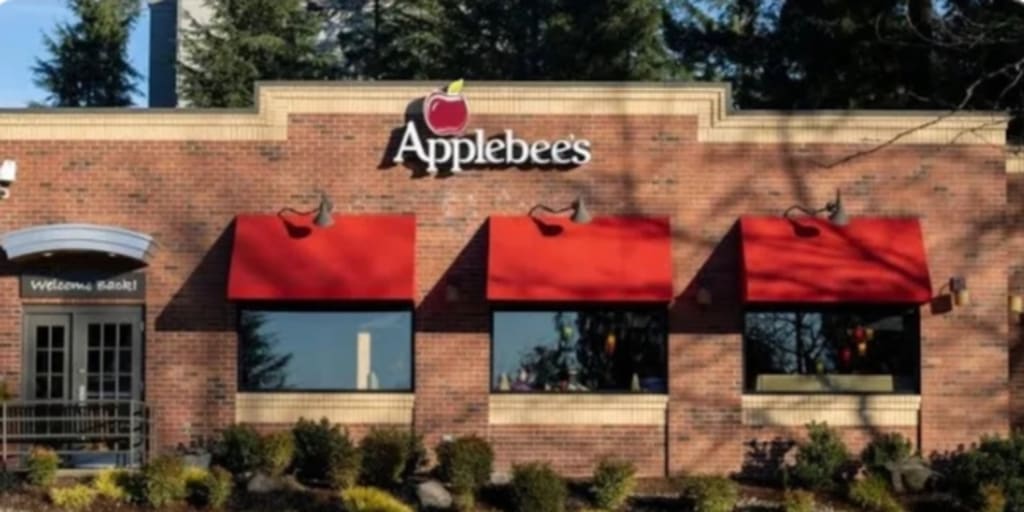
After ten years of serving burgers, boneless wings, and late-night appetizers, the Applebee’s in Glenville has closed its doors for good. For many in the community, the restaurant wasn’t just a place to grab dinner—it was a familiar gathering spot, a post-game celebration venue, and a reliable choice for affordable casual dining. Now, its closure reflects a broader shift sweeping across the casual restaurant industry.
The shutdown of the Glenville location is part of a larger wave of closures impacting Applebee’s restaurants nationwide. Once considered a dominant force in the neighborhood grill category, the brand now finds itself navigating a marketplace shaped by inflation, shifting dining preferences, and intense competition.
A Decade of Neighborhood Presence
Founded in 1980, Applebee's built its reputation on approachable comfort food and a welcoming, sports-bar atmosphere. The Glenville location carried that tradition for a decade, serving families, local workers, and weekend diners.
For many residents, the restaurant marked milestones—birthday dinners, graduation celebrations, and casual meet-ups with friends. Its departure leaves not only an empty storefront but also a gap in the community’s social fabric.
Yet while local customers may feel the loss personally, the broader forces driving closures are economic and structural.
Industry Pressures Mount
Casual dining chains across the United States have faced mounting challenges in recent years. Inflation has raised the cost of food, labor, and utilities. At the same time, consumers have become more selective about discretionary spending.
The COVID-19 pandemic accelerated changes in dining habits. Takeout, delivery apps, and fast-casual restaurants gained momentum, while traditional sit-down chains struggled to adapt quickly enough. Even as in-person dining rebounded, some customers did not return with the same frequency.
For Applebee’s, which operates hundreds of locations nationwide, performance varies by region. Underperforming restaurants are often evaluated based on lease agreements, sales trends, and long-term viability. The Glenville location, after ten years of operation, ultimately did not meet the benchmarks needed to remain open.
Changing Consumer Preferences
Today’s diners are looking for more than just affordable meals. They seek convenience, unique flavors, digital ordering options, and sometimes healthier or more specialized menus. Fast-casual chains offering customizable bowls, premium burgers, or international cuisine have gained ground.
Younger consumers, in particular, tend to gravitate toward brands that feel modern and adaptable. While Applebee’s has updated its menu and introduced promotions to stay competitive, legacy chains often face the perception of being dated compared to emerging competitors.
In addition, delivery platforms have reshaped expectations. Restaurants that rely heavily on dine-in traffic may struggle when foot traffic declines.
The Franchise Factor
Applebee’s operates primarily through a franchise model. Individual restaurant closures can be influenced by local ownership decisions, lease negotiations, and regional economic conditions.
The Glenville closure likely reflects a combination of factors: rent costs, local demand, staffing challenges, and broader brand strategy. When franchisees determine that continuing operations is no longer financially viable, closure becomes the practical—though difficult—choice.
For employees, such decisions can mean job displacement, though staff are sometimes offered opportunities at nearby locations.
A Broader Trend in Casual Dining
Applebee’s is not alone in facing closures. Several national casual dining chains have downsized footprints in recent years, seeking to streamline operations and focus on high-performing markets.
The restaurant industry operates on thin margins. Rising wages, food price volatility, and shifting traffic patterns can quickly erode profitability. Chains must continuously evaluate their real estate portfolios, investing in remodels where warranted and exiting markets that underperform.
At the same time, some brands are experimenting with smaller formats, enhanced takeout capabilities, and digital engagement to adapt to evolving habits.
Community Impact
When a long-standing restaurant closes, the impact extends beyond corporate balance sheets. Local suppliers lose business. Nearby stores may see reduced foot traffic. Residents lose a familiar dining option.
In smaller communities, a chain restaurant can function as an informal town hub. Sports teams gather after games, families meet for weekend dinners, and colleagues unwind after work. The Glenville Applebee’s likely served these roles for a decade.
Its closure is a reminder that economic shifts, even those driven by national trends, have local consequences.
The Future of the Brand
Despite closures, Applebee’s continues to operate hundreds of restaurants nationwide. Parent companies have emphasized menu innovation, value promotions, and operational efficiency to stabilize performance.
Strategic closures are sometimes part of long-term brand repositioning. By consolidating operations and focusing on stronger markets, chains aim to maintain overall health even if individual locations close.
Whether Applebee’s can regain sustained growth will depend on its ability to align with contemporary dining expectations—balancing affordability with experience, convenience with quality.
Retail Real Estate Challenges
The closure also highlights broader challenges in retail real estate. Shopping centers and commercial strips that once thrived on chain restaurant traffic have faced vacancy issues in recent years.
Landlords must adapt by attracting new tenants—perhaps smaller eateries, local businesses, or alternative uses for the space. In some cases, former restaurant sites remain empty for extended periods, signaling shifting economic dynamics.
The Glenville property will now join that cycle of transition, awaiting its next occupant.
Nostalgia and Reality
For longtime customers, news of the closure may evoke nostalgia. Chain restaurants often become woven into everyday routines. Familiar menu items, recognizable décor, and predictable service create a sense of comfort.
But nostalgia does not guarantee sustainability. The restaurant industry is fiercely competitive, and consumer loyalty must be matched by consistent profitability.
In many ways, the Glenville closure symbolizes the crossroads facing legacy casual dining chains: how to honor tradition while evolving rapidly enough to survive.
Looking Ahead
As Applebee’s closures expand, the focus turns to what comes next—for both the brand and the communities it leaves behind.
Will new dining concepts fill the void? Will casual chains reinvent themselves to recapture market share? Or will fast-casual and delivery-focused models continue to dominate?
For Glenville residents, the answers may come slowly. For now, the familiar red-and-green sign has gone dark after ten years.
The story of this single restaurant reflects a national shift. Dining habits are changing. Economic pressures are reshaping decisions. And even well-known brands are not immune.
In the evolving landscape of American dining, survival belongs to those who adapt—and closure, though difficult, sometimes marks the beginning of that transformation.




Comments
There are no comments for this story
Be the first to respond and start the conversation.