
As American Girl Turns 40, Mattel Grapples with Bringing Dolls into a New Era
Mattel Navigates the Tension Between Tradition and Innovation as It Reimagines the Iconic Doll Brand for a New Generation
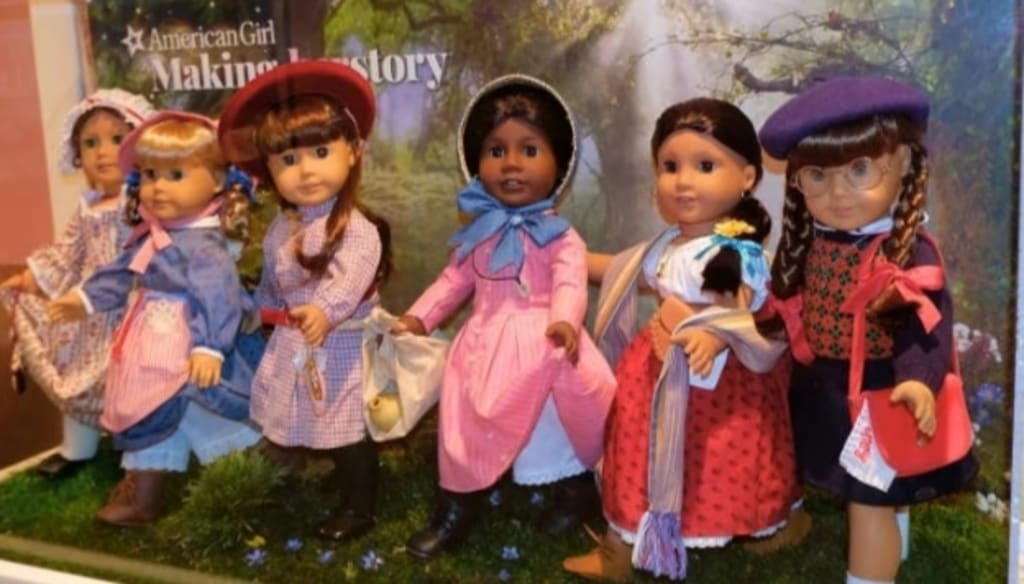
American Girl dolls have been a mainstay in American childhood for nearly four decades. From their iconic 18-inch tall frames, timeless stories, and deep connection to American history, these dolls have captured the hearts of millions. As the beloved brand turns 40, it faces the challenge of adapting to a rapidly changing cultural landscape while staying true to the values that made it a household name. In this article, we will explore how Mattel, the toy giant that owns American Girl, is grappling with updating its flagship product for a new generation.
A Legacy Built on Tradition
When American Girl debuted in 1986, it was revolutionary. The brand's creator, Pleasant Rowland, envisioned a line of dolls that didn’t just serve as toys, but as tools for education and empowerment. The dolls, each representing a different time period in American history, were accompanied by books that told the stories of young girls navigating their respective eras. The series featured characters like Samantha Parkington, a Victorian-era girl, and Felicity Merriman, who lived during the American Revolution. These stories were more than just backdrops; they delved into issues such as social justice, family dynamics, and resilience—offering a sense of continuity with American history.
But what truly set American Girl apart was its focus on creating well-researched, multidimensional characters. Each doll came with an elaborate backstory that allowed girls to see themselves in these diverse personalities, whether it was through the lens of historical struggles or contemporary triumphs. Over time, the brand expanded its roster, adding dolls like Addy Walker, a young African American girl escaping slavery during the Civil War, and Kit Kittredge, a girl navigating the Great Depression.
In a world of mass-market dolls, American Girl was an outlier. It wasn’t just about looking pretty; it was about teaching young girls the importance of their own stories and the power of resilience.
The Changing Market
However, as the years went by, the toy market began to change. The landscape became flooded with various types of dolls, action figures, and digital experiences that resonated with children in ways traditional toys like American Girl struggled to replicate. Children’s preferences shifted towards digital entertainment, and parents began to prioritize products that were less about material objects and more about fostering learning through technology.
With the rise of social media and platforms like YouTube, children’s entertainment has gone far beyond the physical. The demand for dolls to evolve from static playthings into more interactive, digitally integrated companions has grown exponentially. At the same time, societal shifts in diversity and representation have also placed pressure on Mattel to diversify their offerings and update their image.
While American Girl has made strides in this area by introducing dolls from various racial and cultural backgrounds, including those with disabilities, there’s still the question of whether the brand can remain relevant when the way children interact with toys has fundamentally changed.
Digital Transformation and Inclusivity
Mattel, which acquired American Girl in 1998, has been aware of the changing cultural and economic landscape for years. The company has tried to balance maintaining the nostalgic elements of the brand while incorporating modern innovations. In 2016, American Girl launched a line of “Truly Me” dolls, which allowed girls to customize dolls based on their own features. This was a direct response to the increasing demand for inclusivity in toys, and it allowed girls to see themselves represented in ways that the brand’s original dolls hadn’t fully captured.
Alongside this initiative, American Girl also began releasing interactive dolls, with some offering features like voice activation or augmented reality experiences. For example, the “American Girl WellieWishers” line is designed to appeal to younger girls, featuring dolls that are more diverse and engaging, with apps and other digital tools that enhance the play experience. Yet, despite these advances, American Girl still struggles with bridging the gap between traditional dolls and the tech-savvy world that younger children occupy today.
More recently, Mattel has focused on tapping into broader cultural shifts. The brand’s response to the ongoing conversation about race, gender, and body image has been notable, introducing dolls that reflect a wider variety of experiences. From the introduction of “Girl of the Year” dolls with personal stories dealing with contemporary issues like mental health, environmentalism, and identity, American Girl has sought to make sure that their lineup mirrors the evolving concerns of children today.
However, the move toward inclusion and diversity has not been without criticism. Some parents argue that the brand has moved away from the historical roots that made it unique in the first place, while others feel that it hasn’t done enough to address the full spectrum of global cultures and experiences. The challenge lies in finding a balance between the historical foundation of the brand and the needs of an increasingly diverse and global customer base.
The Challenge of Nostalgia vs. Innovation
One of the biggest hurdles Mattel faces with American Girl is reconciling nostalgia with innovation. The brand has a loyal customer base that grew up with its dolls and their meticulously researched historical stories. For many, American Girl represents a time of innocence and tradition, and there is a reluctance to see it evolve too far from its roots. These loyal customers may resist the addition of digital features or modern storylines if they feel it diminishes the brand’s original mission.
On the other hand, ignoring the realities of today’s market could mean alienating younger generations who have never known a world without smartphones, tablets, and social media. These children expect their toys to be more than just something to play with; they expect them to engage with them in deeper, more meaningful ways.
Looking to the Future
As American Girl celebrates its 40th anniversary, Mattel has a unique opportunity to chart a path forward that honors the brand’s history while embracing the future. The company’s move toward more inclusive, diverse, and interactive dolls has already paid off to some extent, but the brand must continue to innovate in ways that stay true to the heart of American Girl: its commitment to empowering girls through storytelling.
The future of American Girl may well depend on how well it can continue to evolve in the face of changing cultural dynamics while still maintaining the authentic, educational storytelling that made the brand so beloved in the first place. As Mattel grapples with this delicate balance, one thing remains clear: American Girl’s place in the hearts of generations of girls is undeniable, but its future will depend on its ability to grow with the times.
Conclusion
American Girl’s 40-year legacy is built on a foundation of education, empowerment, and representation. While Mattel faces significant challenges in adapting the brand to a new era, the company has already made notable strides in inclusivity and digital innovation. By continuing to strike a balance between honoring its past and embracing the future, American Girl has the potential to remain relevant for generations to come. The key will be maintaining the core values that made it a cultural icon while responding to the evolving needs and expectations of today’s digital-first, diversity-driven world.
About the Creator
Aligning Leadership and Strategy: Building Organizations That Grow With Strength
Rethinking What Growth Really Means In today’s business environment, growth is often measured in numbers—revenue increases, market expansion, or rising customer acquisition. Yet sustainable growth involves more than financial metrics. It requires internal clarity, capable leadership, and teams prepared to adapt as demands evolve.
By Joel Keyser7 days ago in Journal




Comments
There are no comments for this story
Be the first to respond and start the conversation.