
Budget Planning: Your Path to Financial Stability
Effective Budgeting for Beginners: A Simple Guide

Frugal Living: Save Money and Build Wealth
Personal budget planning is pivotal in achieving financial stability in today’s challenging financial landscape. Learning how to create a budget is a skill and a necessity for effectively navigating life’s life's monetary challenges. This guide simplifies the often-daunting task of budget creation, helping you take control of your income, expenses, and savings goals. With thoughtful money management strategies, you can align your spending habits with long-term objectives, making financial planning practical and achievable. This method ensures a sustainable approach to achieving financial wellness by prioritizing needs over wants. Building a solid foundation starts with understanding your financial picture and creating a personalized budget tailored to your lifestyle and aspirations. Each step of this process helps reinforce your financial goals, turning abstract plans into tangible results. This guide also emphasizes the importance of regular reviews and adjustments to keep your budget flexible and relevant. With these tools, you’ll feel confident tackling unexpected expenses without derailing your long-term plans. Whether saving for a home, paying off debt, or building an emergency fund, personal budget planning offers the roadmap to success. Empower yourself with knowledge and skills that foster lasting financial independence and security. Through consistent application, you’ll witness positive transformations in your financial outlook, leading to greater peace of mind and freedom to pursue your dreams.
Mastering Budgeting for Beginners with a Focus on Financial Wellness
For anyone beginning their journey into budgeting for beginners, this introduction offers an inviting path to financial empowerment. A thoughtfully designed personal finance guide, it simplifies the process of understanding and managing your finances effectively. This guide ensures a holistic approach to creating a sustainable and balanced financial life by emphasizing financial wellness. Readers will discover money-saving techniques that are practical, easy to implement, and tailored to diverse income levels and lifestyles. The goal is to equip you with tools to meet immediate needs while securing your future.
Through a focus on financial goal setting, the guide fosters the skills needed to plan for long-term aspirations, whether paying off debt, saving for education, or building an emergency fund. Breaking free from the fear of financial planning, this introduction demystifies the process, showing that budgeting is not about restrictions but creating opportunities. It highlights ways to identify spending patterns, prioritize essentials, and uncover hidden savings opportunities in everyday decisions.
This step-by-step resource emphasizes clarity and simplicity, making it an ideal companion for first-time budget creators. It encourages readers to view budgeting as empowerment, providing the foundation for achieving dreams and enjoying peace of mind. No matter where you are in your financial journey, this guide ensures that the tools and techniques are practical, approachable, and designed to yield results. Take the first step toward mastering budgeting for beginners and unlock the secrets to a financially confident and secure life.
Mastering Expense Tracking for Financial Success
The first chapter focuses on the essential practice of expense tracking, laying the groundwork for long-term financial stability. Understanding how to track personal expenses is a transformative skill that empowers you to take complete control of your financial health. A well-designed monthly budget planner is a valuable tool, helping you organize your income and expenditures with clarity and precision. With consistent income and expense tracking, you can identify spending patterns, uncover areas for improvement, and allocate resources toward your financial priorities.
Modern budget-tracking apps simplify this process, offering intuitive platforms to monitor your finances efficiently. These apps provide real-time updates, ensuring you stay informed about your spending habits. Whether managing household expenses, saving for a specific goal, or seeking greater financial awareness, these tools cater to various needs and preferences.
This chapter also highlights the importance of tailoring your tracking methods to fit your unique lifestyle. From traditional spreadsheets to advanced apps, the options are vast, allowing you to choose a system that resonates with your approach to budgeting. By implementing effective expense tracking, you’ll better understand where your money goes and how to redirect it toward achieving your financial goals.
Through practical examples and step-by-step guidance, this chapter equips you with the knowledge and confidence to transform your financial habits. By mastering the art of income and expense tracking, you’ll reduce unnecessary spending and create a solid foundation for a more secure and fulfilling financial future. Whether you’re just starting or looking to refine your skills, Chapter 1 is your gateway to economic empowerment and success.
Achieving Spending Control for a Budget-Friendly Lifestyle
Chapter two emphasizes the importance of spending control as a cornerstone of financial stability. It introduces effective strategies to reduce spending, helping readers take charge of their monetary habits and eliminate unnecessary costs. Individuals can create a sustainable approach to managing their finances by cutting expenses without compromising essential needs or long-term aspirations.
A well-organized household budget is central to this chapter, guiding readers in balancing income with expenditures. From prioritizing essential expenses to reallocating funds toward savings, this process empowers individuals to make thoughtful financial decisions. The chapter explores creative and practical methods for embracing budget-friendly living, proving that financial health doesn’t require significant sacrifices but rather strategic planning and mindful choices.
Readers will learn how to identify areas where spending can be optimized, such as reducing utility costs, cooking at home instead of dining out, and finding affordable alternatives for entertainment and leisure. These small but impactful changes demonstrate how spending control can lead to significant savings over time.
Additionally, the chapter delves into the psychological aspects of spending, helping readers distinguish between wants and needs and resist impulsive purchases. By aligning financial behaviours with personal values and long-term objectives, this guide encourages a more intentional approach to money management.
With actionable tips and real-life examples, Chapter 2 equips readers with the tools to live within their means while still enjoying a fulfilling lifestyle. The skills learned here will enhance immediate financial well-being and lay the groundwork for achieving larger financial goals. By mastering cutting expenses and fostering a disciplined mindset, readers can build a stable and prosperous economic future that reflects their priorities and aspirations.

Unlocking Effective Budgeting with DIY Strategies and Financial Tools
Chapter three shines a spotlight on effective budgeting, offering readers a roadmap to take charge of their finances confidently. By embracing innovative money management, individuals can align their financial behaviours with personal goals, creating a stable and prosperous economic future. This chapter simplifies budgeting concepts, providing actionable steps to transform how you plan and manage money.
Introducing innovative financial management tools, this guide offers resources to streamline and enhance your budgeting experience. These tools, ranging from apps to spreadsheets, empower users to track expenses, set realistic goals, and monitor progress effortlessly. By focusing on budget optimization, readers will learn to identify wasteful spending, reallocate resources effectively, and maximize savings without sacrificing their lifestyle.
The chapter emphasizes the value of DIY budget planning, showing how anyone can create a customized financial strategy without the need for expensive advisors. Readers will explore step-by-step methods for building a budget tailored to their income, expenses, and aspirations. Practical examples demonstrate how to prioritize essentials, allocate funds for future goals, and ensure flexibility for unexpected expenses.
Additionally, this chapter delves into the psychology of spending, helping readers develop disciplined habits and resist impulsive purchases. By adopting effective budgeting practices, individuals can cultivate financial resilience and enjoy greater peace of mind.
Through clear guidance and accessible tools, Chapter 3 empowers readers to take control of their financial journey. Whether you’re a beginner or looking to refine your approach, these strategies make budgeting practical, achievable, and transformative. By mastering innovative money management, leveraging powerful tools, and committing to a proactive mindset, you can unlock the full potential of your finances and build a brighter financial future.
Frugal Living Strategies for Financial Success and Independence
Chapter four delves into frugal living strategies, revealing how small, intentional changes can yield substantial financial benefits. This chapter presents tips for saving money beyond essential advice, empowering readers to make meaningful adjustments that improve their finances. By adopting these strategies, individuals can embrace a lifestyle that balances practicality with fulfillment, ensuring they make the most of every dollar.
The ultimate goal is financial success while laying the groundwork for long-term economic independence. Readers will discover how to reduce unnecessary expenses, maximize savings, and reallocate resources toward personal priorities. These steps help create a stable foundation for building wealth and securing a brighter future.
Central to this chapter is the focus on personal financial health, emphasizing that effective budgeting is about creating opportunities rather than limitations. It highlights how frugal living can lead to greater freedom, allowing individuals to pursue goals such as starting a business, traveling, or retiring early.
The chapter showcases practical methods for living well on a budget through real-life examples. From cutting utility costs to embracing do-it-yourself solutions and finding value in second-hand shopping, readers will learn how to make wise choices without sacrificing quality of life.
Readers will also explore how these practices contribute to a mindset shift, fostering discipline and confidence in managing finances. They can achieve sustainable financial freedom by prioritizing needs over wants and creating space for long-term investments.
With clear, actionable advice, Chapter 4 empowers readers to take control of their financial journey. Focusing on frugal living strategies and mindful spending ensures that anyone can improve their economic situation and work toward a future of greater security and independence.
Strengthening Financial Discipline and Mastering Budget Creation
The final chapter focuses on building financial discipline, a cornerstone of long-term economic stability and success. By adopting the personal finance tips provided, readers will develop habits that foster consistent and responsible financial decision-making. This chapter offers a detailed budget creation guide, equipping individuals with the tools to craft a sustainable and effective financial plan tailored to their circumstances.
A strong emphasis on money management reinforces the importance of tracking income, controlling expenses, and prioritizing financial commitments. Readers will learn how to balance current needs with future aspirations, creating an economic strategy supporting immediate and long-term goals. Through practical advice and real-life examples, this guide ensures budgeting becomes an empowering process rather than a restrictive one.
The chapter also underscores the significance of financial goal setting, helping readers define clear and achievable objectives. Whether saving for a significant purchase, paying off debt, or investing in the future, setting tangible goals provides direction and motivation. Individuals can maintain focus and celebrate progress by breaking these goals into actionable steps.
Readers are encouraged to view budgeting as a dynamic tool that evolves with their changing needs and circumstances. This adaptive approach ensures continued relevance and effectiveness, making navigating life’s uncertainties easier. With a foundation built on financial discipline, readers will feel confident managing their finances with clarity and purpose.
Chapter 5 provides a cohesive framework for lasting financial success by integrating all the concepts and strategies in earlier chapters. Focusing on money management and thoughtful planning ensures readers leave with the skills and mindset to achieve economic independence and enjoy a more secure future.
Embracing Personal Budget Planning for Lifelong Financial Wellness
The conclusion ties together the fundamental principles of personal budget planning, emphasizing the importance of thoughtful and consistent financial habits. With actionable budgeting tips, readers are equipped to create systems that simplify financial planning while aligning with their unique goals and lifestyles. This guide empowers individuals to adopt save-money strategies that balance present needs with future aspirations, ensuring a sustainable financial management approach.
At its core, this book demonstrates that financial wellness is not a fixed destination but an ongoing journey of growth and adaptation. Individuals can navigate financial challenges confidently and resiliently by fostering discipline, awareness, and flexibility. The strategies shared here are designed to meet readers where they are, offering tools and insights catering to beginners and seasoned planners.
Readers are reminded that budgeting is more than cutting costs; it’s about creating opportunities and building a life that reflects personal values and priorities. By consistently applying the principles outlined, individuals can cultivate a healthier relationship with money, reduce stress, and work toward meaningful financial goals.
This guide is a comprehensive roadmap to financial empowerment, breaking down complex concepts into practical steps and compassionate advice. From learning to track expenses to setting long-term financial objectives, readers gain the skills to master personal budget planning and achieve financial independence.
Whether starting fresh or refining existing strategies, this conclusion reinforces the book’s central message: achieving financial wellness is a continuous process of learning and adapting. With knowledge, determination, and the tools provided, readers can confidently create a budget that supports their aspirations and unlocks the path to lasting financial success.
About the Creator
Keep reading
More stories from Robbin Lee and writers in Journal and other communities.
Naturally Reduce Inflammation: Key Strategies
Optimize Your Daily Water Intake for Health Inflammation is a natural response by the body to protect against injury, infection, or harmful substances. However, when it becomes chronic, inflammation can contribute to a wide range of health problems, including heart disease, diabetes, arthritis, and even mental health disorders. This guide focuses on natural inflammation reduction, offering practical and effective methods to address and minimize chronic inflammatory responses. Understanding the root causes of inflammation is essential for targeting the problem at its source, which often involves factors like poor diet, stress, environmental toxins, and lack of physical activity.
By Robbin Leeabout a year ago in Journal
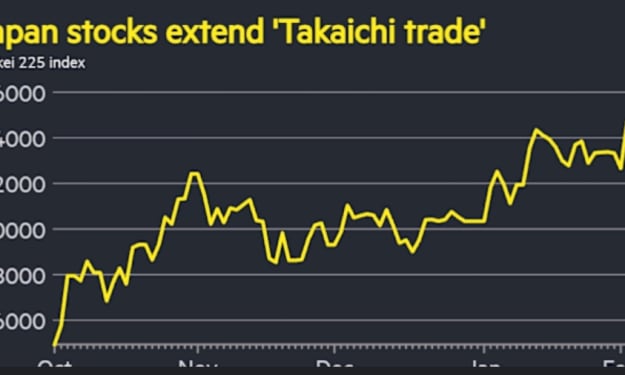
Japanese Stocks Soar to Record After Sanae Takaichi’s Landslide Election Win
Tokyo: Japanese equities surged to fresh all-time highs after Sanae Takaichi secured a landslide victory in the national election, delivering one of the strongest political mandates seen in Japan in decades. The decisive outcome removed months of uncertainty, triggering a wave of optimism across financial markets and reinforcing investor confidence in Japan’s economic direction.
By Sadaqat Ali3 days ago in Journal



Comments
There are no comments for this story
Be the first to respond and start the conversation.