
Different Types of Office Chairs
Discover the different types of office chairs, from ergonomic and executive to mesh and kneeling chairs. Learn how to choose the perfect office chair for comfort, health, and productivity.

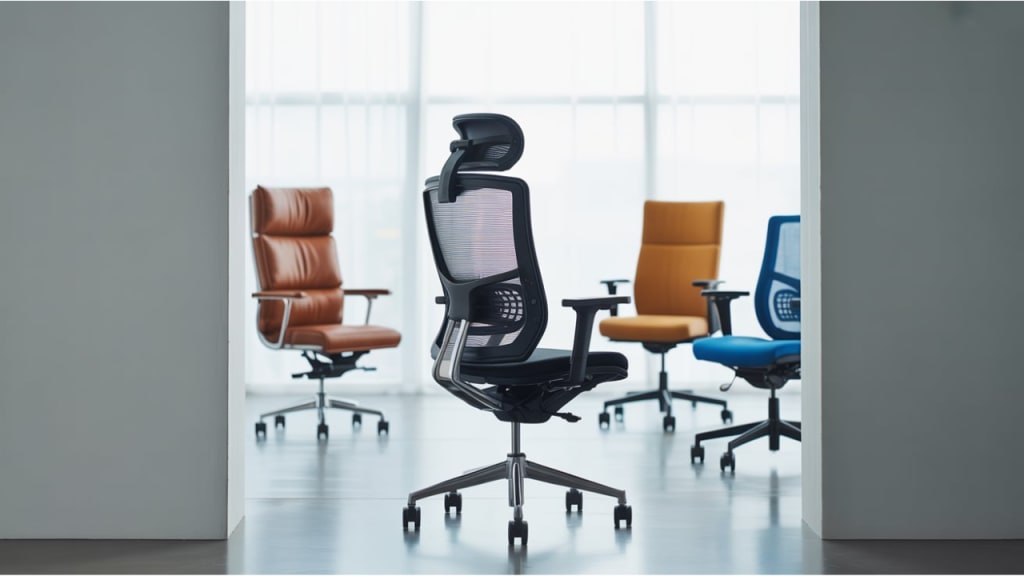
Choosing the right office chair is essential for comfort, productivity, and long-term health, especially if you spend hours sitting every day. But with so many office chair types on the market, it can be overwhelming to know which one suits your needs best.
In this article, we’ll explore the different types of office chairs, highlighting their features, benefits, and ideal uses. Whether you work from home, run a corporate office, or want the best type of desk chair for your workspace, this guide will help you make an informed decision.
Why Choosing the Right Office Chair Matters
Before diving into the types, it’s important to understand why an office chair is more than just a seat:
- Ergonomics: A well-designed chair supports your posture, reduces strain on your back and neck, and helps prevent chronic pain.
- Productivity: Comfortable seating can boost your focus and reduce fatigue.
- Health: Sitting poorly for long periods can lead to musculoskeletal problems and circulation issues.
Types of Office Chairs
What it is: Ergonomic chairs are designed with human anatomy in mind. They offer adjustable features to support the natural curve of your spine.
Key features:
Ergonomic chairs are engineered with human anatomy in mind, offering multiple adjustments to keep your spine aligned and muscles relaxed. Key features often include:
- Adjustable seat height and depth
- Lumbar support
- Adjustable armrests
- Recline and tilt functions
- Breathable mesh back
Who should use it: Ideal for people who spend long hours working at a desk. These chairs promote good posture and reduce the risk of back pain.
What it is: Executive chairs offer a luxurious look with plush cushioning and often use high-quality leather or faux leather.
Key features:
Executive chairs combine a polished, often luxurious design with comfort. They typically feature:
- High backs for full upper-body support.
- Thick cushioning for plush comfort.
- Premium materials like leather or leather-like upholstery.
- Adjustable height and tilt
- Often includes headrest and padded armrests
Who should use it: Perfect for managers or professionals who want a stylish and comfortable chair for long hours in meetings or at the desk.
3. Task Chairs
What it is: Task chairs are simple, functional chairs designed for short to medium-duration use.
Key features:
- Basic adjustable height
- Swivel function
- Often smaller and lighter than executive chairs
- Minimal padding
Who should use it: Great for people with shorter desk sessions or those who need a portable chair option.
What it is: Mesh chairs feature a seat and/or backrest made from breathable mesh fabric.
Key features:
- Breathability for hot environments
- Lightweight design
- Adjustable ergonomic features depending on model
Who should use it: Ideal for warm climates or for those who tend to overheat during work. Offers comfort without sacrificing support.
What it is: Drafting chairs are taller chairs designed for use with standing desks or drafting tables.
Key features:
Drafting chairs are taller than standard office chairs, designed to pair with high work surfaces like drafting tables. Common traits include:
- Height adjustable to accommodate high desks
- Foot rings for leg support
- Swivel and tilt functions
Who should use it: Used by designers, architects, or anyone who works at elevated surfaces.
What it is: Kneeling chairs encourage an open hip angle by distributing your weight between your knees and buttocks.
Key features:
- No backrest
- Padded knee rests
- Promotes active posture
Who should use it: Best for people seeking to reduce lower back pressure and improve posture for shorter work periods.
7. Ball Chairs
What it is: Ball chairs replace the traditional seat with a stability ball that encourages core muscle engagement.
Key features:
- Inflatable ball seat on a frame
- Promotes active sitting and better posture
Who should use it: Suitable for active sitters who want to engage core muscles while working, but not recommended for long durations.
8. Stools
What it is: Stools are simple chairs without backrests or armrests.
Key features:
- Minimal design
- Height adjustable (often)
- Easy to move and store
Who should use it: Common in collaborative or creative spaces, where people might sit temporarily or move around frequently.
9. Reception Seating
What it is: Chairs or sofas placed in waiting areas to accommodate guests and create a welcoming environment.
Key features:
Reception seating isn’t just about comfort, it also plays a role in the first impression people have of your business or home. Options range from single armchairs to modular sofas. Look for:
- Comfortable padding for short to medium sitting times
- Durable upholstery that’s easy to clean
- Styles ranging from single chairs to modular seating
- Design that complements the office décor
Who should use it: Business owners, clinics, salons, or anyone who hosts clients or visitors and wants to make a positive first impression.
10. Swivel Office Chairs
What it is: A chair with a rotating seat that allows 360-degree movement for easy access to different parts of your workspace.
Key features:
Swivel chairs allow 360-degree movement, making them highly functional in dynamic work environments. Benefits include:
- Swivel base with smooth rotation
- Casters for rolling between work areas
- Adjustable height options
- Available in ergonomic and budget-friendly models
Who should use it: People who multitask at their desks, move between multiple monitors, or work in collaborative spaces.
11. Folding Chairs
What it is: Lightweight chairs that can be folded flat for easy storage and transport.
Key features:
Folding chairs are all about flexibility and storage efficiency. Key benefits are:
- Compact design for storage
- Quick setup and takedown
- Lightweight but durable materials
- Budget-friendly pricing
Who should use it: Event organizers, small office owners, or anyone needing temporary or extra seating that’s easy to store.
13. Living Room Chairs
What it is: Comfortable lounge-style chairs used in offices to create a relaxed seating area.
Key features:
Living room chairs in an office setting can create a relaxed corner for informal meetings, reading, or brainstorming. They may include:
- Plush padding and soft upholstery
- Stylish designs like armchairs, recliners, or accent chairs
- Supportive yet casual seating
- Matches home or office décor
Who should use it: Offices with lounge areas, creative workspaces, or home offices where informal meetings or relaxation are part of the environment.
How to Choose the Best Office Chair for You
1. Assess your work habits: How long and what kind of work do you do? Long hours require ergonomic support, while short sessions might be fine with a task chair.
2. Consider your body type: Adjustability is key to accommodate your height, weight, and posture.
3. Budget: Executive chairs can be pricey, while task or mesh chairs are generally more affordable.
4. Workspace: Measure your desk height and available space.
5. Material preferences: Mesh for breathability, leather for style, or fabric for comfort.
Final Thoughts
Your choice of office chair can significantly impact your comfort, health, and work output. From ergonomic to executive, mesh to kneeling chairs, each type offers unique benefits tailored to different needs.
Investing in the right office chair isn’t just about luxury—it’s about supporting your body and productivity every workday. Take your time, try different options if possible, and choose the chair that feels like a perfect fit for you.
About the Creator
Saif
Exploring different parts of life.
~ Fired ~
— Ai Intrusion ~ Are you Next ~ Is Ai Evolution after your job? — Few workplaces haven't been affected. Ai is in supermarkets, at doctors' offices, and even monitoring farms. I just can't think of anything this machine is not getting into, can you? For instance: Education ~ Law and Tech jobs will one day have a major influence or be taken over by these inanimate machines, with accuracy and vigor. From mechanics' diagnoses to a wide variety of everyday jobs, including fast food workers, with this input having the ability to cut their unnecessary work hours. I'm certain all of us have been touched by this with our short stories and colorful headings, have you? Even comments are very questionable 'Non-Robot' insertions.
By Jay Kantor2 days ago in Journal
Top 10 Tips to Remove Bin Smells and Keep Your Bins Fresh
Bin odours are one of the most common yet overlooked household problems. Whether it is a kitchen bin, outdoor wheelie bin, commercial waste container, or apartment garbage chute, unpleasant smells can quickly spread and linger. These odours are not just uncomfortable; they often indicate bacterial growth, trapped organic waste, and moisture buildup. Over time, ignoring bin smells can attract pests, compromise hygiene, and affect the overall cleanliness of your space.
By Anshul Vijay4 days ago in Journal



Comments
There are no comments for this story
Be the first to respond and start the conversation.