
Dollar Steady After Friday Rally as Investors Weigh a Warsh-Led Fed, Commodity-Linked Currencies Soft
Dollar Holds Ground After Friday Surge

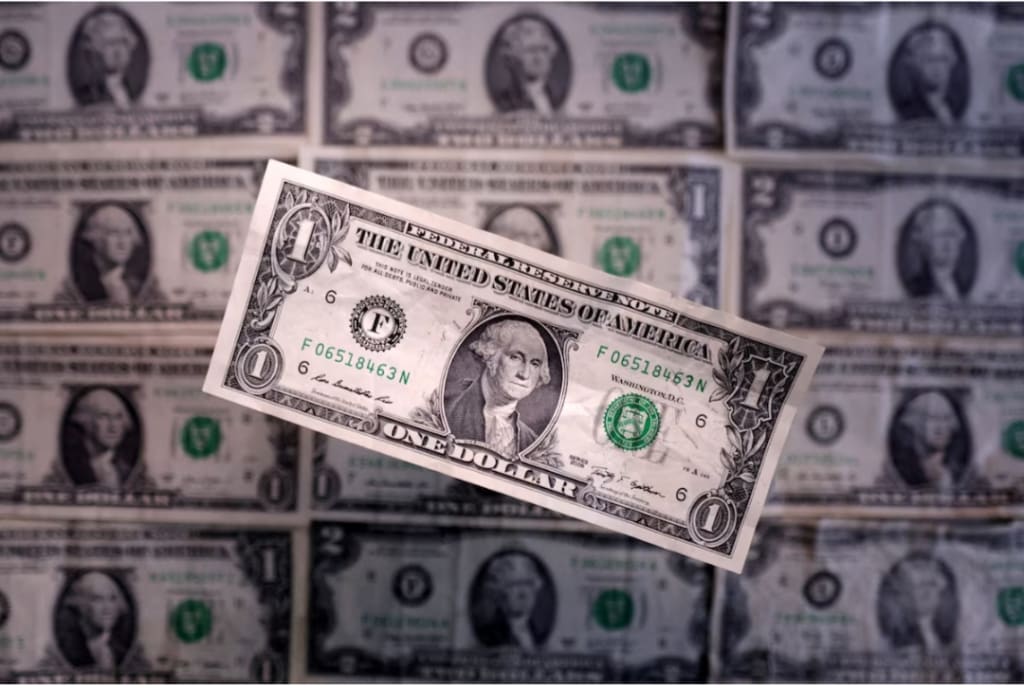
The U.S. dollar remained steady at the start of this week following a sharp rally on Friday, as investors digested the prospect of a Federal Reserve led by former Fed Governor Kevin Warsh. Market participants are weighing how a Warsh-led Fed could influence monetary policy, particularly regarding interest rates and inflation management. At the same time, commodity-linked currencies such as the Australian dollar, Canadian dollar, and New Zealand dollar continue to soften, reflecting ongoing weakness in metals and other raw materials.
Friday’s rally in the dollar was driven by a combination of geopolitical caution and expectations of sustained Fed hawkishness. A stronger dollar has immediate ripple effects, impacting global trade, emerging markets, and commodity prices. Traders are closely watching how these dynamics will unfold under a potential new Fed leadership structure.
Warsh’s Potential Fed Leadership and Market Sentiment
Kevin Warsh, a former Federal Reserve Governor, is known for his historically hawkish stance on interest rates. Investors anticipate that a Warsh-led Fed might prioritize controlling inflation through steady or even higher interest rates, a policy path that typically strengthens the dollar.
A stronger dollar makes U.S. assets more attractive to global investors, particularly fixed-income securities. This safe-haven appeal reinforces the currency’s position during periods of uncertainty. The market’s current steadiness reflects a “wait-and-see” approach, as participants analyze Warsh’s potential policy direction and its implications for the economy.
Weakness in Commodity-Linked Currencies
While the dollar remains stable, commodity-linked currencies are under pressure. The Australian dollar (AUD), heavily tied to metals such as gold and iron ore, has softened due to falling metal prices. Similarly, the Canadian dollar (CAD), which depends on oil and metal exports, has faced headwinds amid mixed global commodity demand.
New Zealand’s dollar (NZD) has also weakened, reflecting broader concerns over slowing industrial activity in key trading partners, including China. Lower commodity prices reduce export revenues for these nations, putting downward pressure on their currencies.
The combination of a stronger U.S. dollar and weaker commodities creates a challenging environment for these currencies. Investors are reducing exposure to riskier, commodity-dependent currencies and reallocating capital toward dollar-denominated assets, reinforcing the dollar’s stability.
Metals and Commodity Prices in Focus
Falling metals prices have contributed significantly to the pressure on commodity-linked currencies. Gold, silver, and copper have all experienced declines, partly due to a stronger dollar and partly due to softer global demand. Gold, traditionally a hedge against inflation, has struggled as dollar strength makes it more expensive for foreign investors. Silver, with significant industrial use, has faced heightened volatility. Copper, a barometer of global economic activity, has also weakened, raising concerns about slowing manufacturing growth.
These commodity price dynamics feed directly into the performance of commodity-linked currencies. For instance, Australia’s economy is highly sensitive to gold and iron ore prices, while Canada’s economy depends heavily on metal and energy exports. As metals prices retreat, the respective currencies lose value, creating a feedback loop that reinforces dollar strength.
Economic Indicators Supporting Dollar Stability
Recent U.S. economic data has bolstered the dollar’s steady trajectory. Inflation metrics remain closely watched, as they inform expectations for Federal Reserve policy. Employment data and consumer spending trends continue to suggest resilience in the U.S. economy, supporting the case for a strong dollar.
If Warsh were to emphasize inflation control and maintain a hawkish stance, interest rate differentials between the U.S. and other economies would likely widen. Higher rates attract foreign capital, further strengthening the dollar and keeping commodity-linked currencies under pressure.
Investor Strategies Amid Currency Volatility
Investors are adjusting portfolios in response to the dual dynamics of a potentially hawkish Fed and soft commodity-linked currencies. Many are increasing exposure to U.S. dollar assets while reducing positions in currencies tied to commodities. Currency futures, ETFs tracking the dollar index, and U.S. treasuries have become popular choices for those seeking stability.
Meanwhile, some traders are cautiously exploring opportunities in undervalued commodity markets, anticipating potential rebounds in metals prices. However, volatility remains high, and central banks in commodity-exporting countries may intervene to stabilize their currencies, albeit temporarily.
Global Trade Implications
The interplay between a strong dollar and weakening commodity-linked currencies has significant implications for global trade. Countries dependent on commodity exports face reduced revenues, potentially impacting their trade balances and economic growth. Meanwhile, the U.S. benefits from a more attractive currency, which can reduce import costs but may pressure exporters by making U.S. goods more expensive abroad.
Emerging markets are particularly sensitive to dollar movements. A stronger dollar increases the cost of dollar-denominated debt, adding pressure on nations with significant external borrowing. Investors are closely monitoring these dynamics, as they can influence both global capital flows and risk sentiment.
Looking Ahead: Monitoring Warsh and Market Trends
As investors assess the potential impact of a Warsh-led Fed, the dollar is likely to remain supported in the near term. Commodity-linked currencies may continue to face volatility, particularly if metals prices do not recover or global demand softens further. Market participants will closely watch U.S. economic indicators, Fed statements, and commodity price trends to gauge the next moves in currency markets.
In conclusion, the U.S. dollar’s stability after Friday’s rally reflects a combination of market anticipation around Federal Reserve leadership, steady economic data, and the weakness of commodity-linked currencies. Metals and commodity prices remain key drivers of currency performance, influencing investor behavior worldwide. As the market navigates potential Fed policy changes and global trade pressures, the dollar’s safe-haven appeal is likely to remain a central theme in currency markets.
About the Creator
Keep reading
More stories from Salaar Jamali and writers in Journal and other communities.
Dubai to Launch World’s First Street Made of Gold
Dubai, the gleaming metropolis known for its extravagant developments and record‑breaking architectural feats, is adding yet another world first to its trophy list: a street constructed using gold. This futuristic concept is set to become a defining feature of the newly inaugurated Dubai Gold District—a purpose‑built hub for the gold and jewellery trade.
By Salaar Jamaliabout 10 hours ago in Journal
The Amazon KDP AI Policy Decoded: How I Format, Design, and Publish My Books with Confidence (Not Fear).
From Blank Page to Bestseller: My Messy, Profitable Journey with AI, KDP, and One Big Fear Let’s not start with a lie. My first “book” was a 15-page PDF I sold for $2.99 in 2018. It looked like a school project, written in Comic Sans (I’m cringing just typing that). I made three sales. To my mom, my dad, and a very confused stranger who probably wanted a refund.
By John Arthor5 days ago in Journal




Comments
There are no comments for this story
Be the first to respond and start the conversation.