
FAA Grounds All Flights To and From El Paso Until Feb. 20
What It Means and Why It Matters

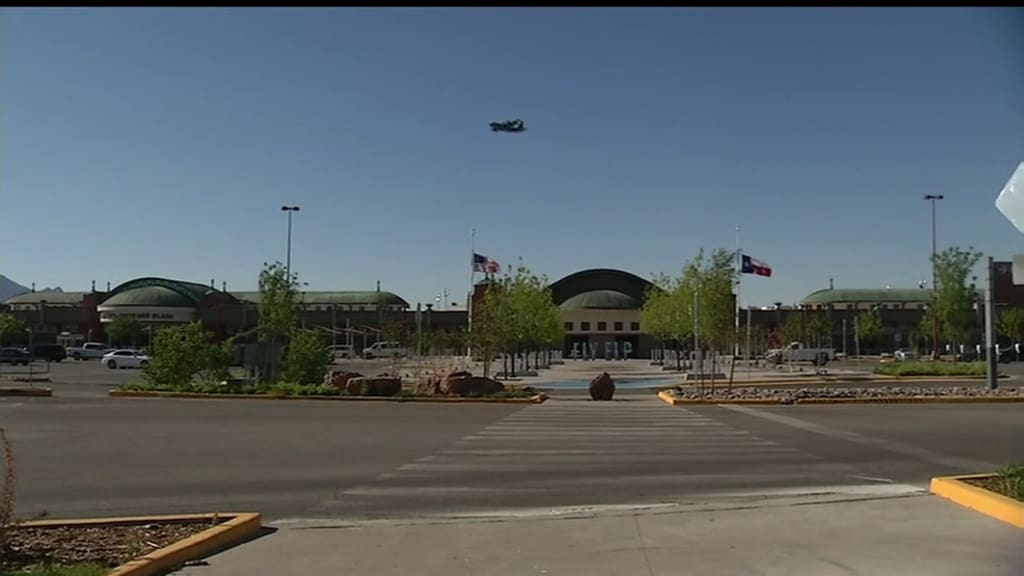
In a move that has stunned travelers, airlines, businesses, and border communities, the Federal Aviation Administration (FAA) has issued a temporary flight restriction (TFR) grounding all flights to and from El Paso International Airport and the neighboring airspace of Santa Teresa, New Mexico. The restriction, which took effect on February 10 at 11:30 p.m. MST and is scheduled to remain in place until February 20 at 11:30 p.m. MST, includes commercial, cargo, and general aviation operations.
While the FAA has not publicly disclosed the specific reason for the grounding, airport officials and transportation experts indicate the decision appears to be security-related. The uncertainty surrounding the situation has left many waiting for clarity — and many more scrambling to adjust travel plans, shipment schedules, and business operations.
What Happened in El Paso?
The FAA’s order temporarily halts all aircraft operations at El Paso International Airport — one of the most heavily traveled gateways between the United States and Mexico. An official statement from the airport explained:
“The FAA, on short notice, issued a temporary flight restriction halting all flights to and from El Paso and our neighboring community, Santa Teresa, NM. The restriction prohibits all aircraft operations (including commercial, cargo, and general aviation)… Travelers are encouraged to contact their airlines to get the latest information on their flight status.”
Passengers are being advised to contact their airlines directly, as carriers update flight status in real time. With no official FAA explanation beyond “security-related,” the situation has generated serious questions — and serious disruptions.
Why the FAA Might Ground Flights (and What It Could Mean)
Flight groundings of this scale are rare in U.S. domestic airspace, and when they do happen, they are typically tied to one of the following:
1. Security Concerns
The FAA has authority to impose TFRs when there are credible security threats — whether related to terrorism, intelligence alerts, or unexpected risk scenarios. For example:
In 2021, several U.S. airports temporarily halted operations due to threats linked to cyber vulnerabilities. While the details weren’t fully disclosed, the risk assessment by federal agencies was treated as credible enough to ground flights in sensitive regions.
In 2013, transportation hubs across the U.S. implemented heightened restrictions after credible intelligence prompted a nationwide security alert — even though no specific attack occurred.
In each case, the FAA acted not only on known risk but also on the principle that aviation safety must err on the side of extreme caution.
Experts believe the current grounding in El Paso could reflect real-time, evolving security intelligence that authorities are not yet ready to disclose publicly.
2. Infrastructure or Safety Failures
Another reason flight operations can be halted is if critical systems — such as air traffic control infrastructure, radar, runway lighting, or communication networks — fail.
In 2015, a failure of the FAA’s Notice to Air Missions (NOTAM) system grounded flights nationwide for several hours. Though unrelated to airport infrastructure itself, the incident demonstrated how systemic breakdowns can ripple across airspace.
If the FAA suspects that critical systems in El Paso have been compromised — be it through cyber-attack, technical malfunction, or structural damage — grounding flights immediately can prevent accidents.
3. Natural or Environmental Hazards
While less likely to be labeled as “security-related,” environmental concerns like wildfire smoke, volcanic ash, or extreme weather patterns have led to temporary flight suspensions in the past.
For example, in 2010, volcanic ash from Iceland’s Eyjafjallajökull eruption disrupted air travel across Europe for over a week. Though unrelated to aviation security, the EU grounded flights on safety grounds to protect aircraft engines and passengers.
In this case, the airport’s specific language about security suggests a non-environmental cause — but historical examples remind us that flight suspensions are often complex decisions involving multiple agencies and safety assessments.
Who Is Affected — And How?
Travelers
Anyone with flights scheduled into or out of El Paso between February 10 and February 20 will be directly impacted. This includes:
Ticketed passengers
Connecting flight passengers
Travelers on private or charter flights
Airlines are responsible for notifying customers and arranging refunds or rebooking options. Because the situation is evolving, travelers are strongly encouraged to:
✔ Contact their airline directly
✔ Monitor flight status links in real time
✔ Allow extra time for travel adjustments once operations resume
Cargo and Logistics Companies
Cargo flights carry not just parcels, but critical supply chain goods — from medical supplies and electronics to time-sensitive commercial freight.
A 10-day grounding can ripple throughout:
Trucking logistics
Regional distribution centers
International imports and exports
In border cities like El Paso and Santa Teresa, where cross-border trade is a daily economic driver, ground interruptions can cause backlogs that persist long after flights resume.
Regional Economy
El Paso’s airport serves as an economic engine for West Texas and Southern New Mexico. Groundings of this scale can affect:
Airport employees
Hospitality and tourism sectors
Supporting services (catering, retail, security)
If ground operations remain suspended for an extended period, local businesses may see reduced revenue and staffing challenges.
What Past Groundings Teach Us
When flights ground unexpectedly, communities adapt — often with resilience and ingenuity.
Case Study: NOTAM System Outage (2015)
In April 2015, a nationwide outage of the FAA’s NOTAM system grounded thousands of flights. Airlines quickly pivoted to contingency communication plans, airports activated manual procedures, and passengers endured delays with understandable frustration.
The aviation industry emerged with better emergency protocols — proving that redundancy and preparation matter.
Case Study: Post-9/11 Flight Shutdown
After the 9/11 attacks, U.S. airspace was closed for several days. Though this was an extreme situation, it taught aviation stakeholders key lessons:
Rapid communication is essential
Safety decisions must be decisive, even without full public transparency
Recovery involves both security measures and passenger reassurance
These historical examples help explain why the FAA likely issued the El Paso restriction without immediate public detail — the priority is safety and operational certainty first, public explanation second.
What Happens Next?
Between now and Feb. 20, airport officials and the FAA will likely:
✔ Monitor evolving risk assessments
✔ Issue guidance on when flights may resume
✔ Coordinate with airlines on passenger notifications
✔ Update logistical plans for cargo operations
Once restrictions lift, it may take several days for the airport to return to full capacity.
Final Takeaways
The grounding of flights to and from El Paso is a serious development — one that affects:
Travelers
Shippers
Local businesses
Regional transportation networks
Although the exact cause has not been publicly disclosed, past aviation groundings illustrate that the FAA will not take such decisions lightly. Whether rooted in security, safety systems, or operational risks, putting flights on hold is an expression of precaution — one meant to protect people, property, and infrastructure.
For now, the strongest advice for anyone impacted is simple:
Stay informed. Stay flexible. And stay in contact with airlines and travel partners as the situation evolves.
About the Creator
Omasanjuwa Ogharandukun
I'm a passionate writer & blogger crafting inspiring stories from everyday life. Through vivid words and thoughtful insights, I spark conversations and ignite change—one post at a time.
Keep reading
More stories from Omasanjuwa Ogharandukun and writers in Journal and other communities.
Solar Sunlight Control Market: Silent Boom
At noon, the city glitters. Glass towers stretch into the sky, reflecting sunlight like polished mirrors. From the street, it looks stunning — futuristic, bold, unstoppable. But inside those buildings, another story unfolds. Blinds shift silently. Louvers tilt with precision. Smart glass darkens without a sound.
By efingutthomasabout 23 hours ago in Journal
When True Love Never Questions Your Soul
“And she’s going to learn that this life will hit you, hard, in the face, wait for you to get back up, just so it can kick you in the stomach but getting the wind knocked out of you is the only way to remind your lungs how much they like the taste of air.” — Sarah Kay’s Poem — If I Should Have a Daughter
By Chantal Christie Weiss4 days ago in Humans


Comments
There are no comments for this story
Be the first to respond and start the conversation.