
From Foundations to Skylines: The Evolution of the Construction Industry
Economic Impact, Technological Progress, and Social Responsibility
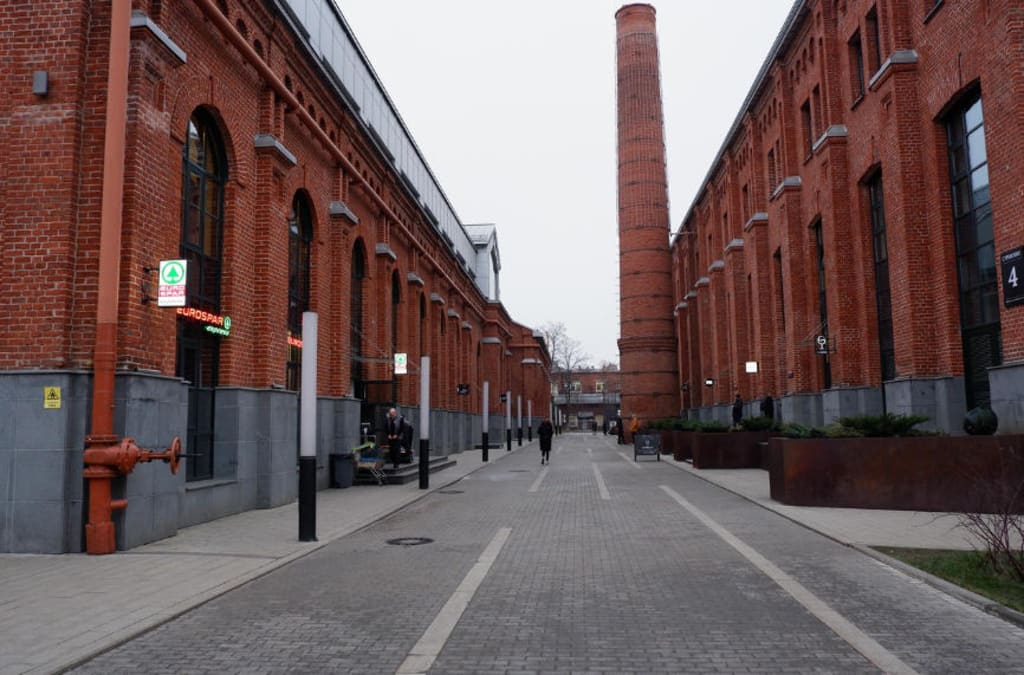
The construction and architecture industry stands as one of the most influential and enduring sectors in human civilization. From ancient pyramids and medieval cathedrals to modern skyscrapers and smart cities, the built environment reflects not only technological progress but also cultural values, economic priorities, and social aspirations. Today, the industry plays a critical role in shaping sustainable development, urbanization, and global economic growth. As the world faces challenges such as climate change, population expansion, and rapid technological transformation, the construction and architecture sector is undergoing a profound evolution.
Historical Development and Industry Significance
Construction is among the oldest organized human activities. Early structures were driven by survival needs—shelter, security, and communal living. Over time, architecture evolved into a discipline that combined engineering, aesthetics, and symbolic meaning. The Roman use of concrete, the Gothic mastery of verticality, and the Industrial Revolution’s steel frameworks each marked pivotal moments in construction history.
In the modern era, the construction industry has become a cornerstone of national economies. It contributes significantly to GDP, creates millions of jobs, and supports a wide range of related industries, including materials manufacturing, transportation, real estate, and urban planning. Infrastructure projects such as roads, bridges, airports, and utilities are essential for economic productivity and social connectivity. Without a robust construction sector, sustainable development would be impossible.
Core Components of the Construction Industry
The construction and architecture industry is highly complex and multidisciplinary. It typically involves several key participants:
Architects, who design buildings and ensure functionality, safety, and aesthetic quality.
Engineers, including structural, civil, mechanical, and electrical engineers, who translate design concepts into technically sound systems.
Contractors and subcontractors, who manage on-site construction and specialized tasks.
Project managers, who coordinate schedules, budgets, and communication among stakeholders.
Developers and clients, who initiate projects and define goals based on economic or social needs.
Each project requires careful coordination among these participants, making construction one of the most management-intensive industries. Delays, cost overruns, and safety risks are common challenges that demand strong leadership and planning.
Urbanization and Global Demand
Rapid urbanization has dramatically increased the demand for construction worldwide. According to global demographic trends, more than half of the world’s population now lives in cities, and this figure is expected to rise further. As a result, the need for housing, transportation systems, commercial buildings, and public facilities continues to grow.
Developing countries face the dual challenge of expanding infrastructure while ensuring affordability and resilience. In contrast, developed nations focus more on renovation, retrofitting, and modernization of existing structures. Urban renewal projects, smart city initiatives, and mixed-use developments are becoming increasingly common as cities strive to balance economic vitality with livability.
Sustainability and Green Building Practices
One of the most transformative trends in the construction and architecture industry is the growing emphasis on sustainability. Buildings account for a significant portion of global energy consumption and carbon emissions. As environmental concerns intensify, governments, developers, and designers are prioritizing green building practices.
Sustainable construction focuses on reducing environmental impact throughout a building’s life cycle—from material extraction and construction to operation and eventual demolition. Key strategies include:
Using energy-efficient designs and renewable energy systems
Selecting eco-friendly and recycled materials
Improving insulation and ventilation to reduce energy demand
Incorporating water-saving technologies
Designing for durability and adaptability
Green building certification systems such as LEED, BREEAM, and WELL have become influential benchmarks, encouraging higher environmental and health standards across the industry. Sustainable architecture is no longer a niche concept; it is increasingly seen as a professional and ethical responsibility.
Technological Innovation and Digital Transformation
Technology is reshaping how buildings are designed, constructed, and managed. Digital tools have significantly improved efficiency, accuracy, and collaboration. One of the most impactful innovations is Building Information Modeling (BIM), which allows professionals to create detailed digital representations of buildings before construction begins. BIM improves coordination, reduces errors, and supports long-term facility management.
Other emerging technologies include:
Prefabrication and modular construction, which reduce waste and shorten construction timelines
Drones and robotics, used for site inspections, surveying, and hazardous tasks
Artificial intelligence and data analytics, helping optimize design decisions and predict project risks
Smart building systems, integrating sensors and automation to enhance energy efficiency and occupant comfort
These advancements are gradually transforming construction from a labor-intensive industry into a more technology-driven one. However, successful adoption requires workforce training and changes in traditional work culture.
Workforce Challenges and Safety Considerations
Despite its importance, the construction industry faces significant workforce challenges. Skilled labor shortages are common in many countries, driven by aging workforces, insufficient training programs, and perceptions of construction as physically demanding or unstable work. Attracting younger professionals and promoting diversity are ongoing concerns.
Safety is another critical issue. Construction sites are inherently hazardous environments, with risks such as falls, heavy machinery accidents, and exposure to harmful substances. Improving safety standards through better training, stricter regulations, and the use of protective technologies is essential for protecting workers’ lives and improving industry reputation.
Economic Cycles and Risk Management
The construction and architecture industry is highly sensitive to economic conditions. Demand often fluctuates with interest rates, government spending, and real estate markets. Economic downturns can lead to project cancellations and job losses, while periods of growth may strain resources and inflate costs.
Effective risk management is therefore crucial. Successful firms invest in thorough feasibility studies, flexible project planning, and diversified portfolios. Public-private partnerships (PPPs) have also become popular for sharing financial risks in large infrastructure projects.
The Social and Cultural Role of Architecture
Beyond economics and technology, architecture has a profound social and cultural impact. Buildings shape how people live, work, and interact. Thoughtful design can promote social inclusion, improve mental well-being, and strengthen community identity. Schools, hospitals, libraries, and public spaces play especially important roles in enhancing quality of life.
Architects increasingly recognize the importance of human-centered design, focusing on accessibility, comfort, and cultural context. As societies become more diverse, architecture must respond to varied needs while respecting local traditions and histories.
Future Outlook of the Industry
Looking ahead, the construction and architecture industry will continue to evolve in response to global challenges. Climate resilience, digital integration, and sustainable urban growth are likely to dominate future agendas. Buildings will not only provide shelter but also generate energy, adapt to climate conditions, and interact intelligently with users.
Governments, educational institutions, and industry leaders must collaborate to support innovation, workforce development, and ethical practices. By embracing change and prioritizing long-term value over short-term gains, the construction and architecture sector can remain a driving force for progress.
Conclusion
The construction and architecture industry is far more than a technical field; it is a foundation of modern society. It connects history with innovation, economy with culture, and human needs with environmental responsibility. As the world enters an era of unprecedented change, the industry’s ability to adapt and lead will be critical. Through sustainable practices, technological advancement, and a renewed focus on people, construction and architecture will continue to shape the future of our built environment for generations to come.
About the Creator
Keep reading
More stories from writers in Journal and other communities.
~ Fired ~
— Ai Intrusion ~ Are you Next ~ Is Ai Evolution after your job? — Few workplaces haven't been affected. Ai is in supermarkets, at doctors' offices, and even monitoring farms. I just can't think of anything this machine is not getting into, can you? For instance: Education ~ Law and Tech jobs will one day have a major influence or be taken over by these inanimate machines, with accuracy and vigor. From mechanics' diagnoses to a wide variety of everyday jobs, including fast food workers, with this input having the ability to cut their unnecessary work hours. I'm certain all of us have been touched by this with our short stories and colorful headings, have you? Even comments are very questionable 'Non-Robot' insertions.
By Jay Kantor6 days ago in Journal
Turks and Caicos Tourism Keeps Growing
Turks and Caicos has long been known for its crystal-clear waters, white sand beaches, and relaxed island lifestyle. But in recent years, the archipelago has been experiencing something even more remarkable: a steady and powerful rise in tourism. From luxury travelers and honeymooners to adventure seekers and cruise visitors, the destination is attracting a wider audience than ever before.
By Sajida Sikandar4 days ago in Journal


Comments
There are no comments for this story
Be the first to respond and start the conversation.