
How I Stopped Romanticizing Pain
Learning to heal without glorifying suffering
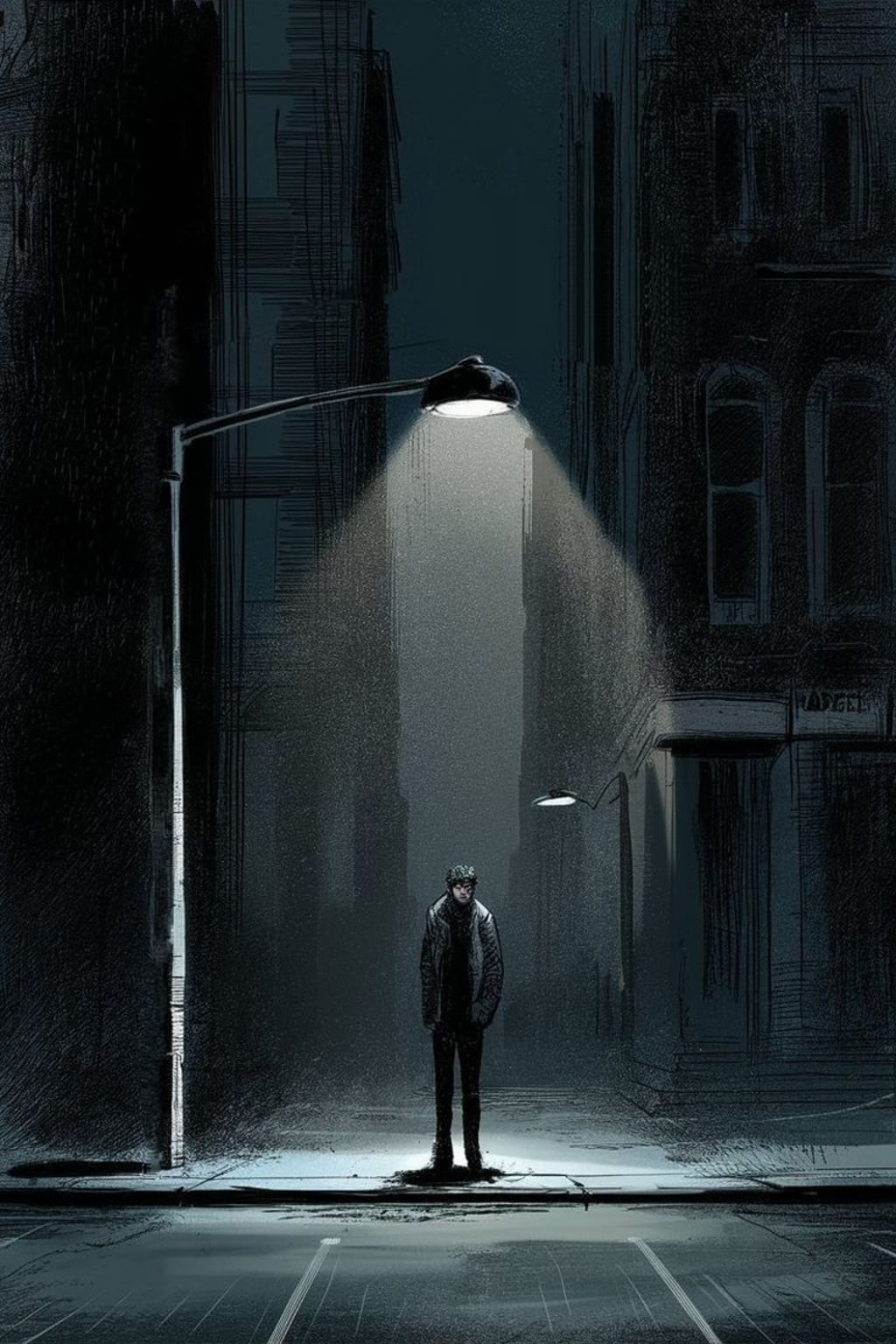
In a world that often glorifies suffering and martyrdom, many of us find ourselves romanticizing pain, viewing it as a source of depth and character. This mindset can lead to a cycle of emotional turmoil, where we cling to our struggles instead of seeking healing and growth. However, the journey toward understanding and overcoming this tendency is both transformative and liberating. By exploring the underlying reasons for our attachment to pain, recognizing triggers, and developing healthier coping mechanisms, we can learn to embrace a new perspective—one that celebrates resilience and joy over suffering. This article delves into the steps I took to break free from the allure of romanticizing pain and foster a more fulfilling emotional experience.
Understanding the Allure of Pain
Examining Societal Narratives
Pain has been glorified in countless songs, movies, and even memes. Society has this irritating habit of romanticizing suffering—think of every tortured artist trope, where emotional turmoil is seen as a prerequisite for creativity. We’ve been led to believe that struggle is noble and that a touch of sadness makes you deeper. Spoiler alert: It doesn’t. It just makes you sadder, and your friends don’t want to hear about it over brunch for the third week in a row.
The Role of Art and Literature
Let’s talk about how art and literature love to play the suffering card. From Shakespeare’s tragedies to edgy Instagram poets, pain serves as the muse for many creatives. While there’s beauty in expressing raw emotions, it can also perpetuate the belief that suffering is a badge of honor. In reality, we need more stories about cozy socks, good coffee, and the joys of a burrito without a side of heartbreak.
Personal Experiences with Pain
I’ll be honest—I’ve had my fair share of “woe is me” moments. Whether it was heartache or life’s delightful little curveballs, I found solace in sulking. But eventually, I realized that romanticizing my pain didn’t help me heal; it held me back. So, I traded my sad playlists for something that didn’t leave me in tears, and I began to see that my narrative didn’t need to revolve around pain. I mean, who needs a tragedy when you can have a comedy instead?
Recognizing the Triggers
Identifying Emotional Patterns
When it comes to pain, identifying triggers is like finding the pesky potholes in the road to emotional wellness. Those patterns can be sneaky: one moment you’re fine, and the next, you’re knee-deep in a pity party. By keeping a journal (or just typing furiously on your phone at 2 AM), you can start to spot those reoccurring themes that lead you back to the land of “why me?”
Situational Influences
Some situations are like emotional landmines. Maybe it’s a specific place, a song, or even the smell of burnt toast that unearths feelings you thought were buried forever. Recognizing these influences is half the battle. Once you identify the culprits, you can either dodge them like a pro or learn to face them without falling into a pit of despair.
Impact of Relationships
Let’s face it: some relationships come with emotional baggage that smells worse than old gym socks. Whether it’s friends, family, or romantic partners, our interactions can either lift us up or drag us down into the depths of sorrow. It’s crucial to recognize which relationships fuel our pain and which ones help us grow. Spoiler alert: Surrounding yourself with people who think drama is a food group isn’t the best idea.
Shifting Perspectives on Suffering
Redefining Pain and Suffering
It’s time for a rebrand: instead of viewing pain as something to romanticize, let’s see it as a natural part of life. It’s like the broccoli of emotions—nobody loves it, but it’s often necessary for growth. Learning to accept pain without glorifying it allows us to embrace a healthier, more balanced perspective.
From Victimhood to Empowerment
Instead of wearing my pain like a crown, I decided to ditch the victim card and reclaim my narrative. Empowerment isn’t just about overcoming pain; it’s about recognizing that it doesn’t define you. It’s like realizing that “sad” is just one color in your emotional palette. So, throw in some bold hues and embrace the full spectrum of being human.
Finding Value in Vulnerability
Contrary to popular belief, vulnerability isn’t a weakness; it’s a superpower. Being open about your struggles can be liberating, and it fosters genuine connections with others. When I stopped romanticizing pain, I found that sharing my experiences made me feel lighter, almost like I was shedding layers of emotional baggage. And let’s be real, who doesn’t want to feel like a human-sized balloon floating toward joy?
Embracing Healthy Emotional Expression
Exploring Healthy Outlets
Goodbye, sad music; hello, gratitude journaling! Finding healthy outlets for emotional expression can be a game-changer. Whether it’s painting, dancing like no one’s watching, or discovering yoga (minus the pretzel contortions), engaging in positive activities can transform how you process emotions. You might even realize your inner joy is just waiting for you to set it free.
The Importance of Vulnerability
Vulnerability is like that friend who always shows up with snacks. It’s essential! When we allow ourselves to be vulnerable and open about our feelings, we invite connection with others. So, wave that vulnerability flag proudly—it’s your ticket to authentic relationships and emotional growth. Plus, it can lead to some solid life advice or, at the very least, a good laugh.
Communicating Feelings Effectively
Ever tried to explain why you’re feeling “meh” in a room full of people? It can feel like climbing Everest in flip-flops. Learning to communicate feelings effectively is key to shifting away from romanticizing pain. Whether you’re speaking your truth to a friend or penning a letter to your future self, practicing emotional communication helps you clarify your emotions and fosters understanding with others. And who knows? It might spark a delightful conversation—or at least bring you a much-needed round of ice cream.
Building a Supportive Environment
Seeking Out Positive Influences
Finding friends who lift you up is like discovering a rare unicorn – it’s magical and totally worth the search. Surround yourself with people who radiate positivity and support your journey. Whether it’s a friend who believes in your dreams or a quirky coworker with a killer sense of humor, these positive influences can make a world of difference in how you perceive pain and life in general.
Creating Safe Spaces
A safe space is like a warm cup of cocoa on a chilly day—comforting and essential. Create an environment where you feel free to express yourself without judgment. This could be a cozy corner of your home, a favorite café, or even a trusted online community. The goal is to craft a sanctuary where you can retreat when the world feels overwhelming and where healing can take place.
Setting Boundaries with Toxic Relationships
Setting boundaries is not just a polite way to say “no,” it’s your emotional armor! Identify the relationships that drain your energy and create stress. Let those toxic vibes go by establishing clear boundaries. It’s perfectly okay to prioritize your mental health, even if it means limiting contact with some individuals. Remember, you wouldn’t let a cactus hug you, so don’t let negativity creep into your life!
Developing Coping Strategies
Practicing Mindfulness and Meditation
Mindfulness is like a magic trick for your brain. It helps you pull your thoughts out of the rabbit hole of negativity and focus on the here and now. Set aside a few minutes daily to practice mindfulness or meditation. Think of it as a mini-vacation for your mind—no passport required, just a comfy spot and some quiet time.
Engaging in Physical Activity
Exercise might not magically solve all your problems, but it sure can help! Whether it's a brisk walk, an exhilarating dance-off in your living room, or a calming yoga session, physical activity releases those lovely endorphins, the natural mood lifters. Plus, it’s hard to romanticize pain when you’re too busy busting a move or breaking a sweat!
Utilizing Professional Help
Sometimes, you need a little extra support—and that’s where professionals come in. Seeking therapy doesn’t mean you’re weak; it means you’re wise enough to know when to ask for help. A therapist can provide you with tools and insights that help you navigate your feelings in a constructive way. Think of them as your personal guide on the winding road to healing.
Celebrating Healing and Growth
Recognizing Progress Over Perfection
If life were a race, progress would be the tortoise, and perfection would be the hare—always in a rush and never quite making it. Celebrate every small step you take because they collectively lead to significant growth. Remember, healing doesn’t happen overnight, and that's perfectly okay. It’s about the journey, not the speed!
Journaling as a Tool for Reflection
Journaling is like chatting with your best friend, minus the awkward silences. Writing down your thoughts and feelings can provide clarity and insight into your experiences. It’s a fantastic way to reflect on your healing journey, track your progress, and even unleash your creative side. Plus, it’s an excellent excuse to buy all those fancy pens!
Sharing Your Journey with Others
Sharing your story can be incredibly powerful—both for you and those who hear it. Open up about your experiences, whether it’s with friends, family, or a support group. You might just inspire someone else who’s going through a rough patch. Plus, you’ll realize you’re not alone in this journey, and that kind of connection can be a game-changer.
Moving Forward: A New Mindset
Setting Future Goals
Goals are like the GPS for your life's journey; without them, you might just end up circumnavigating your couch! Set realistic, achievable goals that align with your healing process. Whether they’re big dreams or tiny steps, having a direction will motivate you and keep your spirits high.
Fostering Resilience
Resilience is like that stretchy rubber band you had as a kid—sometimes it snaps back, and other times it’s a little worse for wear but still holds up! Building resilience means learning to bounce back and adapt. Embrace challenges as opportunities for growth, and remember that each setback can help strengthen your emotional muscles.
Living in the Present Moment
The present moment is like that elusive Wi-Fi signal—sometimes it’s strong, and other times, you just have to keep searching. Practice grounding techniques to help you stay present, whether that’s through deep breathing, appreciating your surroundings, or simply enjoying a cup of tea without distractions. When you live in the moment, life becomes a lot less overwhelming, and you might just find joy in the simplest of things!Breaking the habit of romanticizing pain is a journey that requires patience and self-compassion. By understanding the roots of our attachment to suffering and actively seeking healthier perspectives and coping strategies, we can pave the way for a more joyful and resilient life. Embracing healing not only benefits us but also inspires those around us to pursue their own paths toward emotional well-being. As we move forward, let us celebrate our growth and choose a mindset that values joy, connection, and the beauty of life without the need for pain.
FAQ
What does it mean to romanticize pain?
Romanticizing pain refers to the tendency to view suffering as noble or essential for personal growth, often leading to an unhealthy attachment to emotional struggles instead of seeking healing.
How can I start shifting my perspective on pain?
Begin by recognizing the triggers that lead you to romanticize pain. Journaling your thoughts, exploring healthier emotional outlets, and surrounding yourself with positive influences can help shift your perspective.
Are there specific strategies to cope with emotional pain effectively?
Yes, effective coping strategies include practicing mindfulness, engaging in physical activities, seeking support from friends or professionals, and expressing your emotions through creative outlets like art or writing.
How long does it take to change my mindset about pain?
Changing your mindset is a personal journey that varies for each individual; it may take time and practice. Consistently applying new perspectives and coping strategies can lead to significant shifts over weeks or months.
About the Creator
Keep reading
More stories from writers in Journal and other communities.
~ Fired ~
— Ai Intrusion ~ Are you Next ~ Is Ai Evolution after your job? — Few workplaces haven't been affected. Ai is in supermarkets, at doctors' offices, and even monitoring farms. I just can't think of anything this machine is not getting into, can you? For instance: Education ~ Law and Tech jobs will one day have a major influence or be taken over by these inanimate machines, with accuracy and vigor. From mechanics' diagnoses to a wide variety of everyday jobs, including fast food workers, with this input having the ability to cut their unnecessary work hours. I'm certain all of us have been touched by this with our short stories and colorful headings, have you? Even comments are very questionable 'Non-Robot' insertions.
By Jay Kantor4 days ago in Journal
From Gripen to Alberta: How US Pressure on Canada Risks a Donbas-style Split
Trump wants the Athabasca tar sands and he will do anything to capture the area — his 2026 US National Defense Strategy says as much. $100 billion per annum in oil production is at stake.
By James Marinero7 days ago in Journal
Lately, I'm empty
Lately, I feel an emptiness inside of me that doesn’t make any sense. I was fine a week ago and now I’m numb to the pain that I’ve been carrying around. Numb to the idea of me existing. I wish I could go to a place where I can hear happy positive thoughts and surround myself with joy. The medication I’m on doesn’t seem to work anymore. I still feel pain from existing, why am I here anyways? Merely to exist. I don’t feel like I’m making any differences being here.
By Cerina Galvan2 days ago in Confessions




Comments
There are no comments for this story
Be the first to respond and start the conversation.