
How Slowing Down with Yin Yoga can Speed you up
Yin Yoga
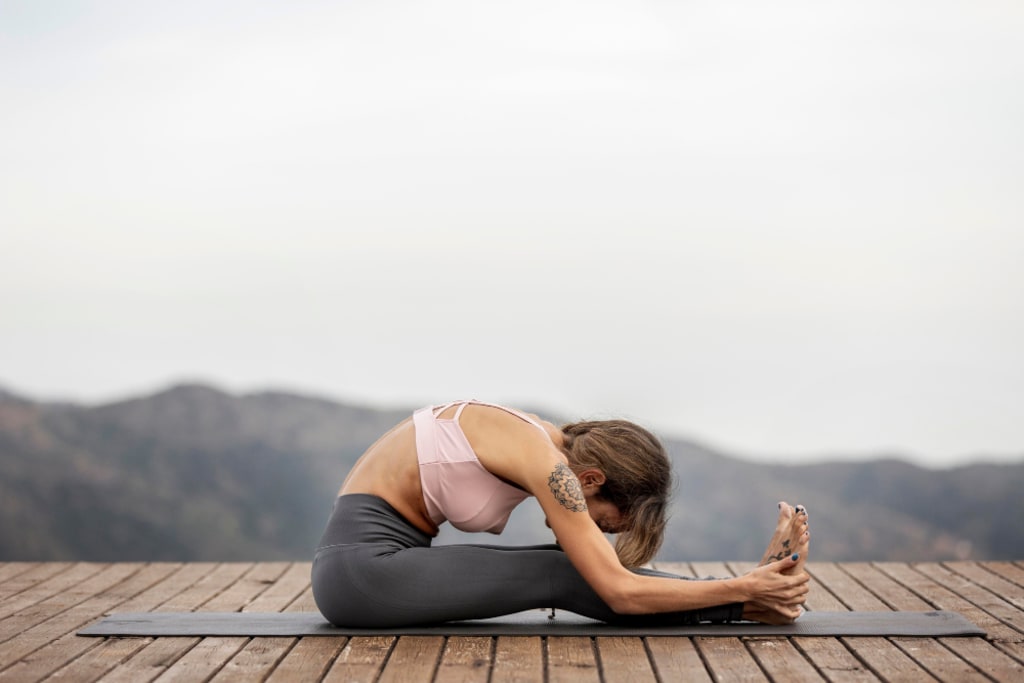
Living a fast lifestyle, where work is valued over almost everything, it is quite easy to dismiss the concept of going slow. But to move slower—especially in the context of activities like Yin Yoga—may help us feel even better. This may sound contradictory but incorporating slow activities into our fast paced routines can be the very thing that helps to create much needed space and time.
The competition of the fast and the slow
If we consider fitness, then we are likely to think of exercises such as weight lifting or aerobics. They are ideal for enhancing heart health and encouraging the release of mood-enhancing chemicals known as endorphins, which help to break down the stress hormones. But what if you integrate highly energetic exercises such as Crossfit with a class as relaxing as Yin Yoga?
Yin is all about staying in the pose, or asana, for an average of three to five minutes or more sometimes. It focuses on the structural tissues such as ligaments, joints, bones and fascial structures in the body. This slow practice is aimed at increasing sensory awareness of the body and range of motion, and also developing flexibility of the joints and the conduits of circulation. However, there are also psychological benefits that come with Yin for the nervous system.
The nervous system and Yin yoga
The central command in how a person handles stress is in our nervous system. If we are always running around, then our sympathetic nervous system that is involved in producing fight or flight responses are overstimulated. This constant alertness results in chronic stress which may cause a wide range of health problems such as high blood pressure, heart ailments and weakened immune system.
Yin Yoga, on the other hand, engages the parasympathetic nervous system which is associated with the rest and digest response. Compared to the more active and dynamic forms of yoga, Yin Yoga also adopts more relaxed positions where the heart rate and blood pressure are lowered, and stress hormones such as cortisol are minimised in the body. These changes facilitate the ability of the body to relax, rejuvenate and rest so as to allow for natural healing processes to take place.
Effect on disease markers
It has been ascertained that chronic stress is a leading cause of a number of diseases such as heart diseases, diabetes, and some types of cancers among others. In this context, stress-related diseases can be prevented through practices that help in calming the nervous system like Yin Yoga.
The slow movements and long holds in Yin relieve tension in the fascia and connective tissues which store physical and emotional stress. It not only relieves our physical discomfort in the form of pain and stiffness but also enhances our state of psychological and emotional stability.
The counterpoint to strength is stretching
For anyone with an interest in performing strength activities, the stretching in Yin Yoga is very appropriate. While strength training increases muscle mass and endurance training enhances cardiovascular fitness, they can cause muscle tightness and imbalance if not accompanied by sufficient stretching.
Yin focuses on applying an intense passive force on a muscle and a joint, increasing the flexibility of the muscle and the range of motion in a joint. This will help with other physical activities by making the movements larger, increasing ability to prevent injury and helping muscles recover faster afterward.
Mental balance
It is not only about the skeletal structure and its distribution of weight; it is also about the distribution of weight within the mind. Another virtue of Yin is awareness, particularly awareness of the present time. Yin postures involve concentration as we focus on the breath and feelings or sensations in the body. This particular mindfulness practice can have broader effects on our cognitive capabilities.
Studies have indicated that practicing mindfulness can benefit the brain by increasing its ability to focus, memorise, and switch between tasks. There is no doubt that directing our focus to learning, through the process of keeping the mind in the present and on the practice during Yin, a great sense of mental awareness can be developed, which can be applied to everyday life. This includes better management of stress, better decision making and even general wellbeing as a consequence of improved cognitive functioning.
The value in opposites
Incorporating Yin into your fitness program is not only about making it less intensive; it is about moving towards harmony in every aspect of your wellbeing. If you aren’t sure where to start, try searching online for a ‘private yoga teacher near me’ if one to one classes appeal. Some tutors will also come to your work or home, look for ‘mobile yoga teacher Mornington Peninsula’, or in your location.
So, every time you are tempted to push further and move faster, just remember, that it is often enough to ease up to solve your problems, feel better or become stronger.
About the Creator
Keep reading
More stories from Angelo Ean and writers in Journal and other communities.
How Healthcare Consulting Drives Quality Improvement
Healthcare consulting is an invaluable resource for improving quality improvement in medical institutions in Australia's healthcare industry. With the growing need for high-quality patient care, healthcare providers are under pressure to improve operational effectiveness, maintain patient safety, and adhere to regulatory requirements.This article highlights how healthcare consultants provide a comprehensive response to these issues, allowing facilities to address complex challenges, build a culture of quality improvement, and improve outcomes for patients, staff, and visitors.
By Angelo Eanabout a year ago in Journal
Power Settles in Speed, Form, Trust, and Silence: Tallinn, Milan, Zurich, and Lanzo d’Intelvi
Power does not move randomly. It responds to gravity. Not financial gravity. Not demographic gravity. Legal gravity. Every jurisdiction bends behavior differently. Some accelerate it. Some formalize it. Some monetize it. Some absorb it.
By Maroun Abou Harb3 days ago in Journal




Comments
There are no comments for this story
Be the first to respond and start the conversation.