
I Am a Paper
Dear children! I am a notebook, my price is only 100 rupees

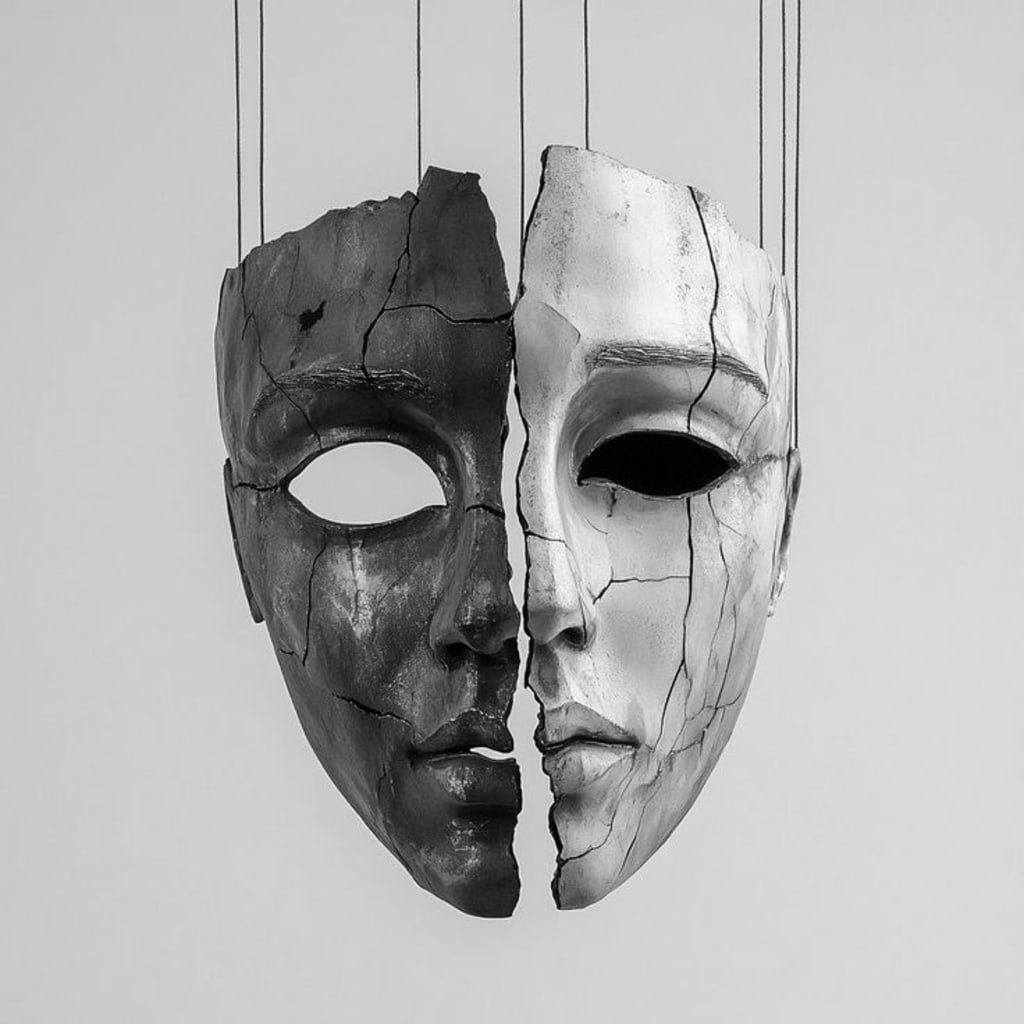
Dear children! I am a notebook, my price is only 100 rupees. I am white, with red and green lines printed on me, and my cover is laminated in black with the monogram of “Chaand Copy House,” which adds to my dignity. I lived proudly at Haji Book Depot, surrounded by other notebooks and copies that were less beautiful and cheaper than me. Among them, the yellow notebooks made from low-quality paper seemed very inferior, and I used to feel proud that I was different.
One day, Abu Bakr’s father bought me. I was thrilled to be chosen among so many notebooks. I thought Abu Bakr would take good care of me, write his homework and notes on me, and handle me with care. But instead, he drew cartoons on me, tore my pages to make airplanes and boats, scribbled crooked lines all over, and even threw some of my pages into the dustbin. My tears fell.
Dear children! Do you know how I am made? Surely you don’t. Let me tell you how paper like me is created and why I am so important. My ancestors came from China, where centuries ago they used tree bark and finely crushed fishing nets mixed with water to form paper sheets, which were then dried in the sun. This was my first form.
For nearly 600 years, the Chinese kept my creation process a secret, using me for trade and gaining profit. Over time, humans wrote on me in their own languages. As civilization progressed, so did I. Science introduced modern techniques to make me more refined. Originally, my color depended on the bark of the tree I came from, but later, I evolved into different colors and types.
Many of you may have seen tiny wheat plants. After harvesting, the grain and straw are separated. This straw, along with certain algae and even sugarcane waste from mills, is used to make paper. My final color—white, brown, yellow, etc.—is determined based on my purpose: notebook, tissue, drawing sheet, or other forms. Chemicals and dyes are added, and I am fed through machines that press and dry me on rollers. I am rolled into large reels and then cut into sheets of the required size using round blades. My width is called the “deckle,” usually six to ten feet wide. I am then moved to finishing houses, where different cutters—Gluetin, Simplex, Duplex, and Pakistani cutters—trim me further.
My weight and quality are carefully managed. I exist in many forms: white, brown, yellow, coated, photocopy, computer, kite, and tissue paper. Interestingly, the paper for currency, the Quran, and books of Hadith is made from paper like me. Depending on use, notebooks weigh 63 grams, premium books 68 grams, drawing sheets 230 grams, tissue paper 20–22 grams, and kite paper 35 grams per square meter.
Dear children, as you can see, a lot of effort goes into making me. I am pressed, cut, dried, rolled, and treated with heat and chemicals to become soft and usable. All this work is for one purpose: to serve you. Through me, you can learn, write, and become great individuals.
My only sorrow comes when you misuse me. When you draw cartoons, scribble meaningless lines, tear me into airplanes, or throw me into the dustbin, my tears fall. Yes, my tears.
My only sorrow comes when you misuse me. When you draw cartoons, scribble meaningless lines, tear me into airplanes, or throw me into the dustbin, my tears fall. Yes, my tears.
Dear children, please promise me you will use me well. Do your homework, write neatly, and take care of me. Promise me. A firm promise. Good job!
About the Creator
Sudais Zakwan
Sudais Zakwan – Storyteller of Emotions
Sudais Zakwan is a passionate story writer known for crafting emotionally rich and thought-provoking stories that resonate with readers of all ages. With a unique voice and creative flair.
Keep reading
More stories from Sudais Zakwan and writers in Journal and other communities.
Beyond the Window
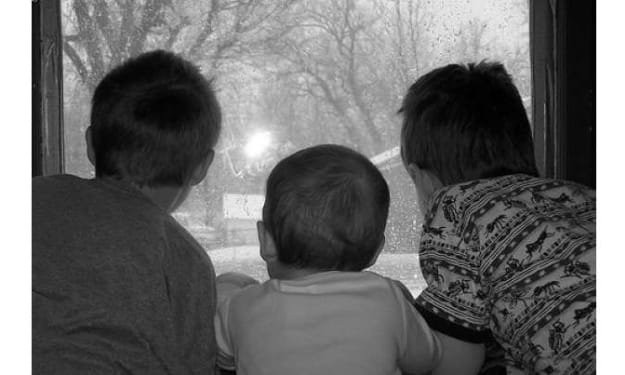
Two critically ill men shared a hospital room, united by pain, silence, and long hours of waiting. Both were so weak that even sitting up was a struggle. Only one of them, whose bed was placed beside the room’s single window, was allowed to sit upright for an hour each day. The other man remained flat on his back at all times, staring at the ceiling, dependent on sounds and words to connect him to life beyond the walls.
By Sudais Zakwanabout 18 hours ago in Journal



Comments
There are no comments for this story
Be the first to respond and start the conversation.