
Knowing OCD-Obsessive Compulsive Disorder
Understanding OCD
What is OCD?
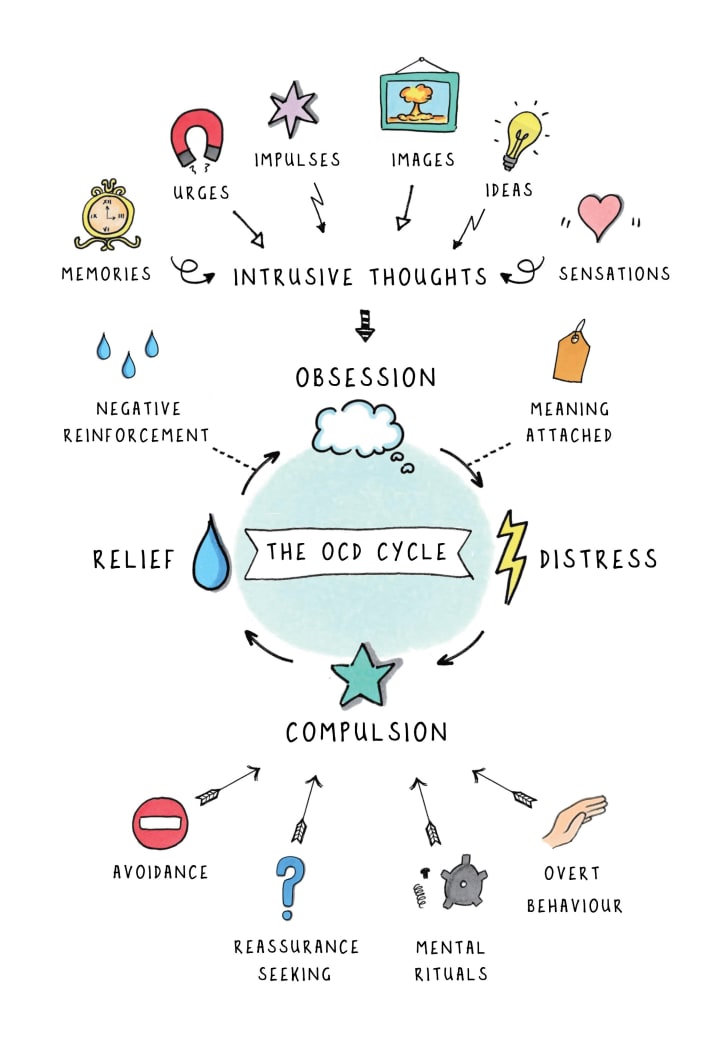
Obsessive-Compulsive Disorder (OCD) is a mental health condition that affects millions of people around the world. It is a chronic anxiety disorder that involves unwanted, intrusive, and repetitive thoughts or obsessions that are often followed by compulsive behaviors aimed at reducing anxiety. In this essay, we will discuss OCD in more detail, including its symptoms, causes, and available treatments.
Symptoms
Symptoms of OCD can vary widely from person to person. However, the most common symptoms include recurring, distressing thoughts or images that cause anxiety, such as fear of contamination or harm coming to oneself or others. These thoughts can be intrusive and difficult to control, leading to repetitive behaviors or compulsions aimed at reducing the anxiety caused by the obsessions. Compulsions may include excessive hand washing, checking, counting, or repeating words or phrases. These behaviors can become time-consuming, interfere with daily activities, and cause significant distress.
Causes
The exact cause of OCD is unknown, but researchers believe that a combination of genetic, environmental, and neurological factors may be involved. A family history of OCD or related disorders, such as Tourette's syndrome, may increase the risk of developing the condition. Additionally, certain life events or stressors, such as trauma or illness, may trigger the onset of OCD symptoms in some individuals.
Obsessive-Compulsive Disorder (OCD) is a complex mental health condition that can be caused by a combination of genetic, environmental, and neurological factors. Here are some of the most common causes of OCD:
- Genetics: There is evidence to suggest that OCD can be inherited. Studies have shown that individuals with a family history of OCD are more likely to develop the disorder than those without.
- Brain Chemistry: Imbalances in certain brain chemicals, such as serotonin, can contribute to the development of OCD. Serotonin is a neurotransmitter that helps regulate mood, sleep, and anxiety. When levels of serotonin are disrupted, it can lead to the development of OCD symptoms.
- Environmental factors: Traumatic events, such as abuse or the death of a loved one, can trigger the onset of OCD symptoms. Other environmental factors, such as chronic stress, illness, or a major life change, can also contribute to the development of OCD.
- Neurological abnormalities: Research has shown that abnormalities in certain brain regions, such as the basal ganglia and orbitofrontal cortex, may be associated with the development of OCD. These abnormalities may disrupt the brain's ability to regulate thoughts and behaviors, leading to the development of OCD symptoms.
- Learned behavior: Some individuals with OCD may develop symptoms as a result of learned behavior. For example, if someone is taught to be overly cautious or tidy as a child, they may develop obsessive-compulsive behaviors as an adult.
It's important to note that the exact cause of OCD is not yet fully understood and that the development of the disorder is likely to be the result of a combination of factors. If you or someone you know is experiencing symptoms of OCD, it's important to seek help from a mental health professional who can provide an accurate diagnosis and recommend appropriate treatment options.
Treatment
Obsessive-Compulsive Disorder (OCD) is a treatable mental health condition, and there are several effective treatments available. Treatment options for OCD may include psychotherapy, medication, or a combination of both. Here are some of the most common treatments for OCD:
- Cognitive-behavioral therapy (CBT): CBT is a type of talk therapy that focuses on changing negative thought patterns and behaviors associated with OCD. Exposure and Response Prevention (ERP) is a specific type of CBT that involves gradually exposing the individual to their feared thoughts or situations and preventing them from engaging in compulsive behaviors. This helps to reduce anxiety and break the cycle of obsessions and compulsions.
- Medication: Antidepressant medications, such as selective serotonin reuptake inhibitors (SSRIs), can be effective in treating OCD symptoms by altering the levels of neurotransmitters in the brain. These medications can take several weeks to start working, and it's important to work closely with a mental health professional to monitor their effectiveness and potential side effects.
- Mindfulness-based therapies: Mindfulness-based therapies, such as mindfulness-based cognitive therapy (MBCT), can help individuals with OCD learn to manage their thoughts and emotions in a more balanced way. These therapies involve techniques such as meditation and breathing exercises to help individuals develop greater awareness and acceptance of their thoughts and feelings.
- Support groups: Joining a support group for OCD can provide individuals with a sense of community and understanding. Support groups can also provide a safe space for individuals to share their experiences and learn coping strategies from others who have similar experiences.
- Inpatient treatment: In severe cases of OCD, inpatient treatment may be necessary. This involves staying in a specialized treatment center where individuals can receive intensive therapy and medication management.
It's important to remember that effective treatment for OCD may take time and require a combination of approaches. It's also essential to work closely with a mental health professional to develop a personalized treatment plan that addresses individual needs and goals. With the right treatment and support, individuals with OCD can manage their symptoms and improve their overall quality of life.
Conclusion
In conclusion, OCD is a complex mental health condition that can significantly impact an individual's daily life. However, effective treatments are available, including cognitive-behavioral therapy and medication, which can help individuals manage their symptoms and improve their overall well-being. It is important to seek help from a mental health professional if you or someone you know is experiencing symptoms of OCD.
About the Creator
Keep reading
More stories from krishnan santhanam and writers in Journal and other communities.
HOW TO MAKE MONEY ONLINE
There are many ways to make money online. Here are some popular ways: Freelancing: Freelancing refers to working as an independent contractor or self-employed individual who offers services to clients on a project-by-project basis. As a freelancer, you are not bound to a specific employer or company, and you have the flexibility to choose your own work hours, rates, and projects. To start freelancing, you should identify your skills and expertise, create a portfolio showcasing your work, and set up profiles on freelancing platforms such as Upwork, Fiverr, and Freelancer. You can also network with potential clients through social media and professional networks.
By krishnan santhanam3 years ago in Journal
The Difference Between Ranking Traffic and Converting Traffic
Many businesses focus heavily on improving search rankings, assuming that higher visibility automatically leads to better results. While ranking well in search engines is important, not all traffic delivers the same value. There is a critical difference between ranking traffic and converting traffic, and understanding this distinction helps clarify why some high-traffic websites struggle to generate leads or sales.
By Power Marketing International6 days ago in Journal


Comments
There are no comments for this story
Be the first to respond and start the conversation.