
Oil Heads for First Weekly Gain This Month as US-Iran Tensions Rise
Geopolitical risk premiums push crude higher as traders weigh supply disruption fears against fragile diplomacy
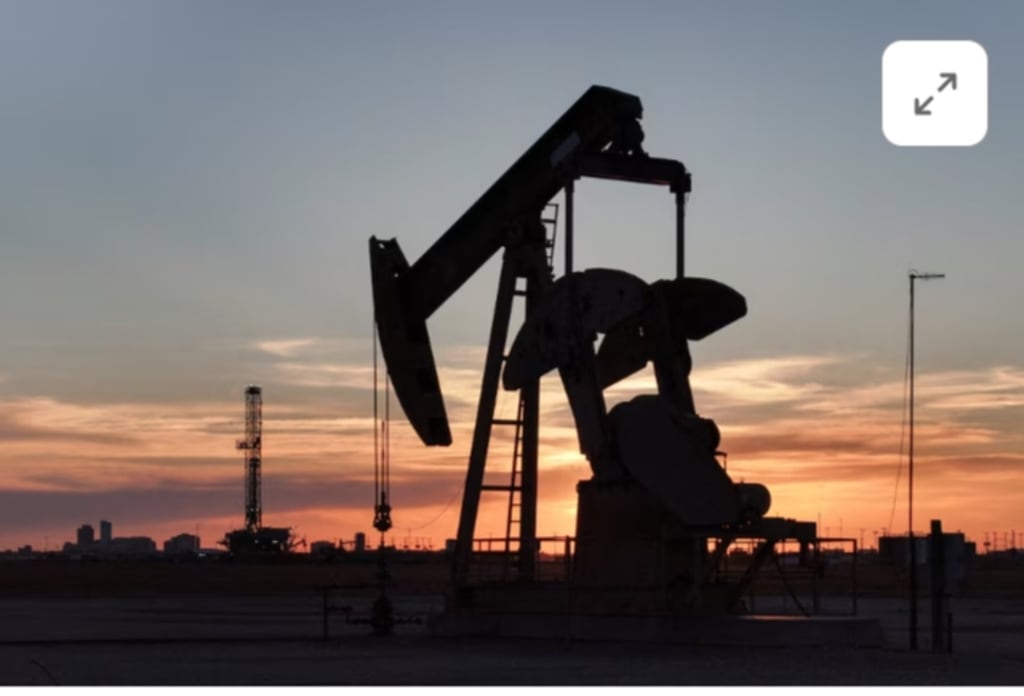
After weeks of choppy trading and downward pressure, oil markets are finally showing signs of strength. Crude prices are on track for their first weekly gain this month, driven largely by escalating tensions between the United States and Iran — a geopolitical flashpoint that energy traders watch closely.
Whenever instability rises in the Middle East, oil markets respond. And this time is no different.
Why Oil Prices Are Climbing
The primary driver behind the rally is renewed uncertainty surrounding relations between Washington and Tehran. As diplomatic tensions intensify, traders are pricing in the risk of potential supply disruptions — even if no barrels have actually been removed from the market yet.
Oil markets operate heavily on expectations. The mere possibility of military escalation can add a “risk premium” to crude prices.
Iran plays a critical role in global energy supply. It sits near the strategically vital Strait of Hormuz, a narrow shipping lane through which roughly one-fifth of the world’s oil passes daily. Any disruption in this corridor — whether from direct conflict, sanctions, or military posturing — could quickly tighten global supply.
This geographic reality makes oil especially sensitive to headlines involving Iran.
Brent and WTI in Focus
The two key benchmarks — Brent crude and West Texas Intermediate (WTI) — both moved higher during the week. Traders have been watching technical resistance levels closely, and recent price momentum suggests renewed bullish sentiment.
Beyond geopolitics, supportive fundamentals have helped strengthen prices. U.S. crude inventories recently posted a larger-than-expected drawdown, signaling healthy demand and tightening domestic supply.
Higher refinery activity and steady export demand have further reinforced market confidence.
In short, the rally isn’t built on tension alone — but geopolitics has clearly accelerated it.
The Risk Premium Explained
Energy markets often include what analysts call a “geopolitical premium.” This is the extra cost traders are willing to pay to hedge against the possibility of disruption.
Even if oil continues to flow normally, fear alone can influence futures contracts.
If tensions between the U.S. and Iran escalate into military action, markets could see a sharper spike. But if diplomatic talks progress or rhetoric cools, much of the current premium could quickly unwind.
This push-and-pull dynamic makes oil particularly volatile during times of political uncertainty.
What Happens if Tensions Escalate?
Should conflict erupt or shipping lanes face disruption, oil prices could rise rapidly. In extreme scenarios involving the Strait of Hormuz, analysts warn that prices could surge well beyond current levels.
However, it’s important to note that oil markets are also influenced by broader global supply factors. Major producers, including OPEC+, continue to manage output levels carefully. Increased production from other nations could offset some potential supply losses.
Markets are therefore balancing two competing forces:
Geopolitical risk pushing prices up
Supply management and economic concerns keeping gains in check
Impact on Global Markets
Rising oil prices don’t exist in isolation. They ripple across global markets.
For consumers, higher crude prices often translate into rising fuel costs at the pump. That can strain household budgets and feed into broader inflation pressures — something central banks are watching closely.
For oil-exporting countries, however, higher prices can boost revenues and strengthen fiscal positions. Energy stocks often benefit during such rallies, while airlines and transport companies may face headwinds due to higher fuel costs.
Investors across asset classes are recalibrating portfolios in response to both energy volatility and broader geopolitical uncertainty.
The Role of Diplomacy
While oil is currently benefiting from heightened tensions, markets remain highly sensitive to diplomatic signals. Any breakthrough in negotiations between the U.S. and Iran could ease supply concerns and push prices lower just as quickly as they rose.
Energy markets often react faster than political processes. Traders price in expectations long before policies are finalized.
That means volatility may persist in the coming weeks.
Is This Rally Sustainable?
The key question for investors is whether this weekly gain marks the start of a longer upward trend — or merely a temporary spike driven by headlines.
Several factors will determine the answer:
Progress (or breakdown) in U.S.–Iran talks
Future inventory reports
OPEC+ production decisions
Broader global economic growth signals
If tensions remain elevated and supply data continues to tighten, oil could extend gains into next month. However, if diplomacy stabilizes the situation, the market may retreat toward previous ranges.
A Market on Edge
Oil’s first weekly gain this month reflects more than simple supply-and-demand mechanics. It highlights how deeply intertwined energy markets are with geopolitics.
In a world where global trade routes, diplomatic negotiations, and military strategies intersect, oil often becomes the immediate financial barometer of risk.
For now, traders remain alert. Each headline out of Washington or Tehran carries the potential to move markets.
Whether this rally proves durable or fleeting will depend on developments that extend far beyond oil fields and trading floors. One thing is certain: when tensions rise in the Middle East, crude rarely stays quiet.
About the Creator
Israel’s West Bank Land Registration Plan Sparks Legal, Political, and International Controversy
The decision to resume formal land registration in Area C marks a significant shift in policy — and could reshapeownership,governance, and the future of Israeli-Palestinian negotiations.
By 😎Baلoch✨.zada😎5 days ago in Journal



Comments
There are no comments for this story
Be the first to respond and start the conversation.