
Rs506 Billion Unlocked as IHC Clears Tax Backlog
How the Islamabad High Court’s decision boosts government revenue and strengthens fiscal stability
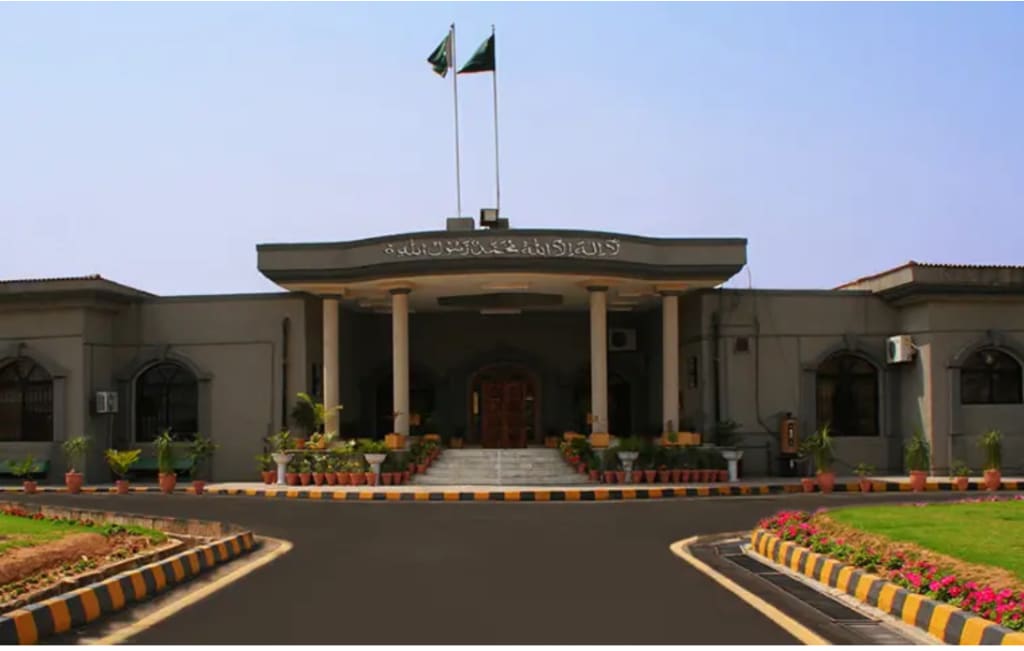
A Major Milestone in Tax Recovery
The Islamabad High Court (IHC) recently cleared a significant backlog of tax disputes, unlocking Rs506 billion for the federal government. This decision marks a major step toward improving fiscal stability, increasing government revenue, and addressing long-standing issues in Pakistan’s taxation system.
For decades, tax disputes have delayed revenue collection, affecting government spending, public services, and infrastructure development. The IHC’s intervention not only resolves legal ambiguities but also sends a strong signal about accountability, governance, and financial discipline.
The Background: Tax Backlogs and Economic Impact
Pakistan has struggled with persistent tax collection challenges. Many businesses and individuals have pending disputes with the Federal Board of Revenue (FBR), often dragging on for years. These backlogs create uncertainty, reduce available funds for development, and weaken investor confidence.
Economic implications: Delayed tax recovery affects public spending on education, healthcare, and infrastructure.
Investor confidence: Clear legal resolutions encourage local and foreign investment.
Fiscal health: Unlocking Rs506 billion provides the government with much-needed liquidity to support economic priorities.
The Role of the Islamabad High Court
The Islamabad High Court stepped in to resolve the pending cases after observing years of stagnation. By clearing these tax disputes, the IHC facilitated a smoother revenue collection process and restored confidence in the legal and financial system.
Key Highlights of the Decision
Resolution of longstanding tax disputes.
Confirmation of government authority to collect pending dues.
Legal clarity for businesses and taxpayers moving forward.
The court’s action demonstrates the importance of an independent judiciary in ensuring economic and administrative efficiency.
Implications for the Federal Board of Revenue (FBR)
The FBR, Pakistan’s primary tax authority, now gains access to a significant influx of funds. This boost can help the board streamline operations, reduce arrears, and improve taxpayer services.
Expected Benefits for the FBR
Enhanced capacity to monitor and enforce tax compliance.
Increased resources for digitization and modernization of tax processes.
Greater public trust in the government’s ability to manage revenue efficiently.
With Rs506 billion added to government coffers, the FBR can implement reforms that reduce future backlogs and create a more transparent taxation system.
Economic Significance of Rs506 Billion
Unlocking Rs506 billion is a major financial development for Pakistan, with far-reaching implications:
1. Supporting Development Projects
The government can channel funds into essential infrastructure projects, social welfare programs, and economic initiatives. This could include roads, schools, hospitals, and energy projects that stimulate growth and employment.
2. Strengthening Fiscal Stability
Additional revenue reduces the need for borrowing and eases pressure on the national budget. This contributes to macroeconomic stability, helps manage inflation, and strengthens the Pakistani rupee.
3. Encouraging Compliance
Resolving backlogs signals that tax obligations are enforceable, encouraging businesses and individuals to comply proactively. A more compliant taxpayer base ensures sustainable revenue collection.
Challenges and Considerations
While the unlocking of Rs506 billion is a positive step, challenges remain:
Implementation: Ensuring that funds are efficiently allocated and used for priority sectors.
Legal consistency: Preventing future disputes from accumulating through better legislation and clear tax policies.
Public perception: Transparent use of unlocked funds is critical to maintain public trust.
The Role of Businesses and Taxpayers
Businesses and taxpayers benefit indirectly from the IHC decision. With fewer disputes and clearer legal frameworks, companies can plan operations without uncertainty.
Operational clarity: Businesses no longer face prolonged tax litigation affecting cash flow.
Confidence for investment: Local and foreign investors are reassured by a functioning legal system and effective tax enforcement.
Predictability: Predictable tax enforcement reduces the risk of sudden penalties or penalties accumulation.
Political and Social Implications
The IHC’s decision also carries political weight. It reinforces the perception of a fair and accountable system, bridging gaps between government authority and public cooperation.
Accountability: Strong judiciary action demonstrates that both individuals and corporations are subject to the rule of law.
Public trust: Citizens are more likely to accept government taxation when they see disputes resolved fairly.
Policy momentum: This decision may encourage lawmakers to implement additional reforms for transparency and efficiency.
Looking Ahead: Toward a Stronger Tax System
The Rs506 billion unlocked by the IHC is not just a one-time gain—it could mark a turning point for Pakistan’s fiscal landscape.
Steps Forward
Digitization of Tax Records: Reducing manual errors and backlogs in the future.
Streamlined Dispute Resolution: Fast-tracking tax cases to avoid accumulation.
Public Awareness: Educating taxpayers about compliance and legal procedures.
Policy Reforms: Simplifying tax laws to reduce ambiguities and litigation.
If implemented effectively, these measures could create a fair, efficient, and transparent taxation system for Pakistan, supporting long-term economic growth.
Conclusion: A Positive Step for Pakistan’s Economy
The IHC’s decision to clear the tax backlog and unlock Rs506 billion is a landmark development for Pakistan. It strengthens fiscal stability, improves government credibility, and encourages compliance among businesses and individuals.
While challenges remain in implementing reforms and ensuring transparency, this milestone provides an opportunity for the government to reinforce trust, fund essential projects, and build a more robust and accountable taxation system.
Ultimately, this is not just a legal victory—it is a financial and economic boost that could positively impact millions of Pakistanis and set the stage for a stronger, more sustainable economy.
About the Creator
How to Launch a Recovery Residence
Introduction Launching a recovery residence is a purposeful way to support individuals transitioning from substance use treatment into stable, substance-free living. Recovery residences provide structured housing, accountability, and peer support that help residents maintain long-term recovery. While the mission is service-driven, operating a recovery residence requires careful planning, regulatory compliance, and sustainable operations. From defining your recovery model to managing daily operations, each step contributes to resident safety and program effectiveness. Understanding the full launch process helps reduce risk, build credibility with stakeholders, and create an environment that promotes healing and personal growth.
By Abdul Mueed7 days ago in Journal


Comments
There are no comments for this story
Be the first to respond and start the conversation.