
Russia Targets Ukraine’s Energy Infrastructure in Major Missile and Drone Assault, Kyiv Says
Large-scale missile and drone attacks on Ukraine’s power grid intensify the conflict’s focus on infrastructure, testing resilience as civilians brace for outages and winter challenges.
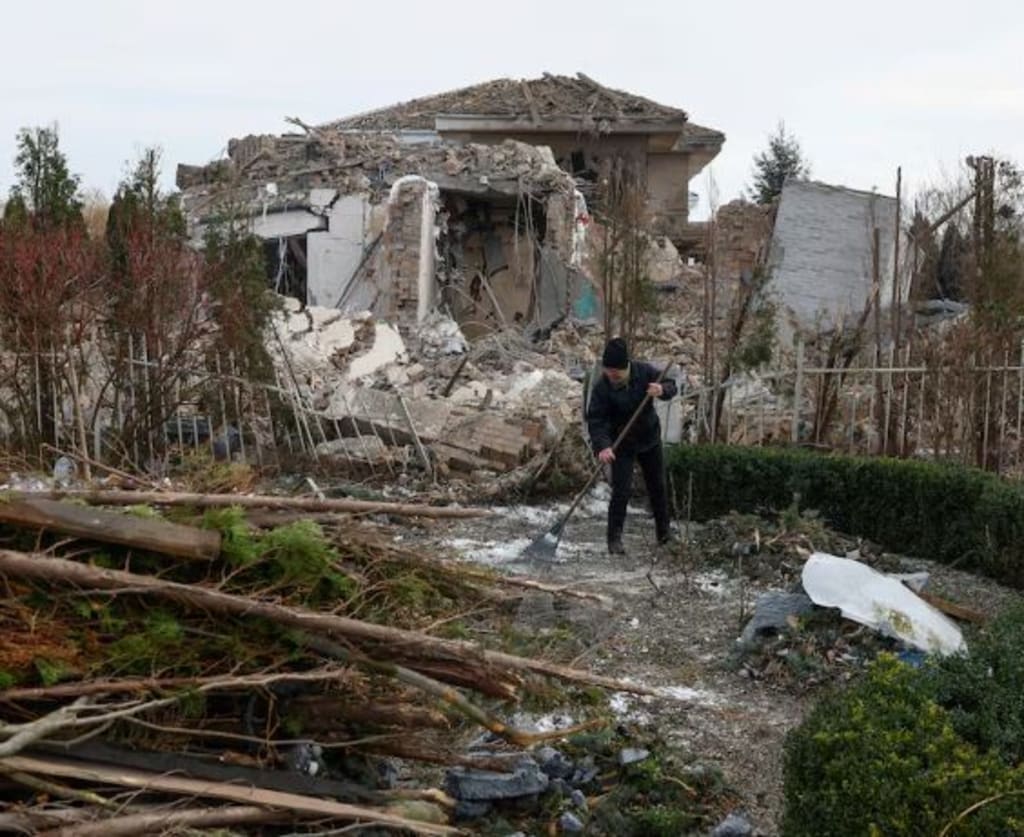
A large-scale aerial assault has once again put Ukraine’s energy system under pressure, as officials reported extensive missile and drone strikes launched by Russia. Authorities in the capital, Kyiv, said the attacks targeted critical infrastructure, causing power disruptions and raising concerns about the country’s ability to maintain energy stability amid prolonged conflict.
The strikes mark another chapter in a strategy that has repeatedly focused on Ukraine’s electricity grid, heating facilities, and transmission networks — infrastructure considered essential for civilian life as well as military logistics.
A Renewed Focus on Energy Systems
Ukrainian officials reported that waves of missiles and drones struck multiple regions overnight, with air defense systems intercepting many but not all incoming threats. Energy substations, power plants, and grid connections were among the primary targets.
Damage assessments suggested localized outages and emergency shutdowns designed to prevent wider grid collapse. Repair crews were deployed quickly, continuing a pattern that has defined Ukraine’s response throughout the conflict: rapid restoration under difficult conditions.
Energy infrastructure has become a central battlefield because of its broader impact. Disrupting electricity affects hospitals, transportation, communications, and heating — especially critical during colder months.
The Strategy Behind Infrastructure Strikes
Military analysts say targeting energy systems serves both tactical and psychological purposes. By straining essential services, attacks can create pressure on civilian populations while complicating military operations.
Ukraine has invested heavily in strengthening grid resilience, decentralizing energy production, and improving repair capacity. Mobile power units, backup generators, and international aid have helped mitigate some of the impact, but large coordinated strikes still pose serious risks.
The pattern of attacks suggests an ongoing effort to reduce Ukraine’s ability to sustain normal economic activity while maintaining frontline defenses.
Civilian Impact and Daily Life
For many Ukrainians, power disruptions have become part of daily reality. Rotating outages, emergency conservation measures, and backup heating systems are now common in affected areas.
Residents often prepare for potential blackouts by storing water, charging devices, and adjusting work schedules. Schools and businesses have adapted with flexible hours or remote operations when necessary.
Despite these challenges, public messaging from Ukrainian authorities emphasizes resilience. Officials frequently highlight rapid repair efforts and community cooperation as key factors in preventing prolonged humanitarian crises.
Political Leadership Responds
Ukrainian leadership condemned the strikes, framing them as attempts to weaken civilian morale rather than achieve decisive military gains. President Volodymyr Zelenskyy has repeatedly called for stronger international air defense support, arguing that protecting infrastructure is essential for national stability.
On the Russian side, leadership has maintained that infrastructure linked to military logistics is a legitimate target. President Vladimir Putin has previously described such operations as part of broader wartime strategy.
These contrasting narratives reflect the wider information battle surrounding the conflict, where each side frames infrastructure strikes differently for domestic and international audiences.
Air Defense and International Support
Ukraine’s ability to intercept drones and missiles has improved significantly with foreign assistance. Advanced air defense systems, training programs, and intelligence sharing have reduced the effectiveness of some attacks.
However, the scale and frequency of strikes continue to test capacity. Interceptors are costly, and sustained aerial campaigns can strain supplies.
Allies, including members of NATO, have emphasized the importance of continued support for Ukraine’s defensive capabilities. Protecting energy infrastructure is increasingly viewed as a humanitarian priority as much as a military one.
Economic Consequences
Energy disruptions carry major economic implications. Manufacturing, transportation, and digital services depend on reliable electricity, meaning repeated outages can slow growth and increase costs.
Businesses have invested in backup power solutions, while government programs aim to stabilize supply through diversification and emergency planning. International financial assistance has also played a role in maintaining grid operations and funding repairs.
Economists warn that long-term infrastructure damage could complicate postwar recovery, making resilience efforts today crucial for future rebuilding.
A War of Endurance
The continued targeting of infrastructure highlights how the conflict has evolved into a war of endurance. Rather than rapid territorial shifts alone, both sides are engaged in strategies designed to strain resources over time.
For Ukraine, maintaining electricity and heating has become a symbol of national resistance. Each successful repair or restored power line carries political as well as practical significance.
For Russia, sustained pressure on infrastructure may be intended to influence public sentiment, economic stability, and international negotiations.
Humanitarian and Environmental Concerns
Strikes on energy facilities can also pose environmental risks, including fuel leaks, industrial damage, and pollution. Emergency teams must manage not only power restoration but also potential ecological consequences.
Humanitarian organizations monitor outages closely because prolonged disruptions can affect vulnerable populations — particularly the elderly, hospitals, and communities in frontline regions.
Winter conditions intensify these risks, turning infrastructure protection into a life-and-death issue for some areas.
Looking Ahead
The latest wave of missile and drone attacks underscores the central role of infrastructure in modern warfare. Energy systems are no longer just background utilities; they are strategic assets that shape both military capability and civilian resilience.
Ukraine’s rapid repair efforts demonstrate how adaptation has become a defining feature of the conflict. Yet each new strike reminds observers that the situation remains fragile.
Future developments may depend on air defense availability, international support, and the ability of engineers to keep rebuilding faster than damage occurs. As the war continues, the struggle over electricity — who has it, who loses it, and how quickly it can be restored — will remain a critical measure of endurance.
In this evolving conflict, the battle for power is both literal and symbolic. Keeping the lights on has become more than a technical challenge; it represents stability, resistance, and the determination of a nation navigating one of the most complex security crises in recent history.
About the Creator
~ Fired ~
— Ai Intrusion ~ Are you Next ~ Is Ai Evolution after your job? — Few workplaces haven't been affected. Ai is in supermarkets, at doctors' offices, and even monitoring farms. I just can't think of anything this machine is not getting into, can you? For instance: Education ~ Law and Tech jobs will one day have a major influence or be taken over by these inanimate machines, with accuracy and vigor. From mechanics' diagnoses to a wide variety of everyday jobs, including fast food workers, with this input having the ability to cut their unnecessary work hours. I'm certain all of us have been touched by this with our short stories and colorful headings, have you? Even comments are very questionable 'Non-Robot' insertions.
By Jay Kantor23 days ago in Journal




Comments
There are no comments for this story
Be the first to respond and start the conversation.