
The 8 Best Ways to Keep Your Veins Healthy
Varicose Veins Treatment
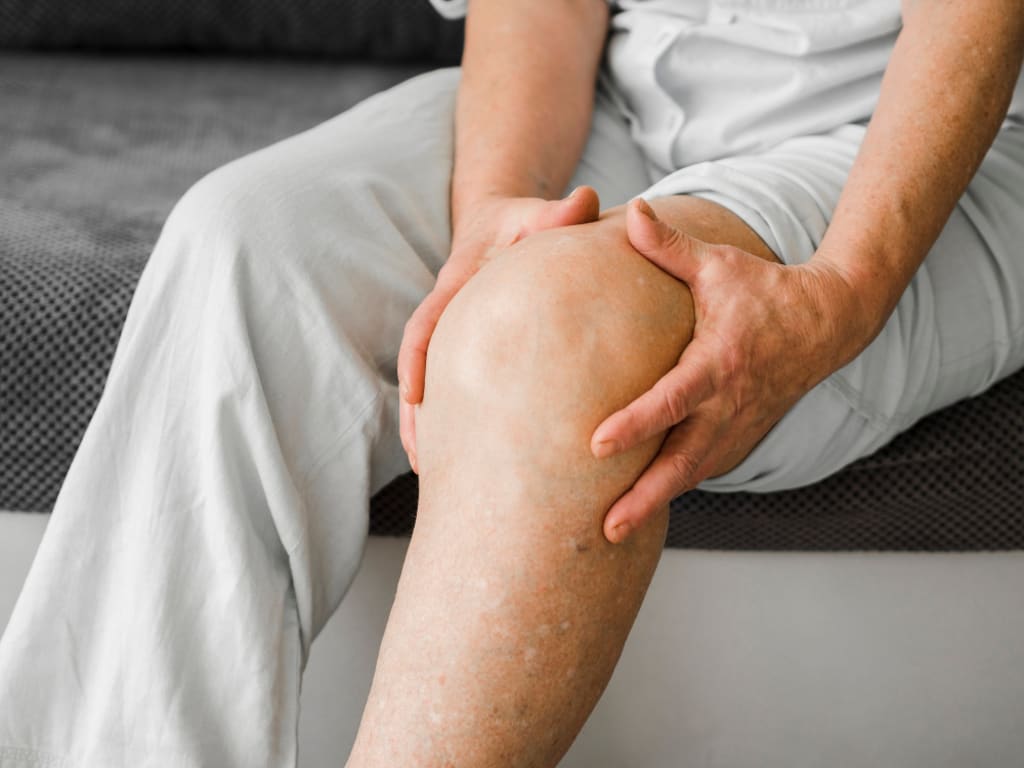
You're not alone if problems like painful varicose veins or unattractive spider veins make you uncomfortable or self-conscious. These problems affect hundreds of millions of people around the world.
Maintaining healthy veins is a fundamental part of our health that is frequently disregarded. You can take a wide range of preventative steps, from adopting a healthier lifestyle to considering professional treatment options.
Inadequate vein health can lead to diseases like varicose veins, which can be painful and dangerous.
This article covers the eight greatest practices to ensure optimal vein health for anyone seeking varicose veins treatment in Melbourne or looking for strategies to keep their veins healthy.
8 Effective Methods for Maintaining Healthy Veins
Several conditions can affect the health of your veins, including obesity, hypertension, and a sedentary lifestyle. Genetics can also influence your vulnerability to vein-related issues.
Veins are like a highway system that carries blood back to the heart. Any time there is a fault in this system such as a leakage in the valves, or a blockage in the veins, it will cause problems.
Considering the potential problems, what measures may be taken to lessen their likelihood of ever occurring?
You can employ the following eight suggestions to keep your veins in good shape:
1. Be Sure to Hydrate
Keeping yourself sufficiently hydrated is crucial since water makes up around 60% of your body. Vein health relies heavily on adequate water intake, as do most other biological processes. Drinking enough water is one of the simplest and most efficient strategies to maintain healthy veins, especially if your veins are already weak.
Drinking water helps dilute blood and improves circulation. Dehydration is a common cause of thick blood, which increases the likelihood of clots and vascular insufficiency. In addition to fatigue and headaches, bloating and swelling are frequent markers of inefficient blood flow that can develop into more serious consequences in those dehydrated.
To maintain a healthy body and heart, you need to drink at least eight 8 cups of water daily. You may also assist your body in staying hydrated by eating a diet rich in fruits and vegetables.
2. Exercise Regularly
Regular exercise is important for maintaining good health and overall well-being. It is recommended to engage in physical activity consistently.
Regular physical activity improves blood circulation and strengthens your calf muscles. The calf muscles are important for pumping blood back to the heart and keeping the veins working well. Exercises like walking, swimming, and cycling are great because they are gentle on the body and help improve blood flow.
3. Eat Healthily
Eating a healthy diet is important for maintaining good health.
A diet full of vitamins, minerals, and fibre can improve blood circulation and keep your veins healthy. Vitamin C and E are antioxidants that help strengthen vein walls by increasing collagen and elastin production. Choose healthy foods like fruits, vegetables, whole grains, and lean proteins. Stay away from processed foods that have lots of sodium and unhealthy fats.
4. Being Able to Keep Your Weight Down
Carrying too much weight puts extra pressure on the veins, particularly in the legs. This can make it harder for blood to flow properly and can lead to the development of varicose veins. You can achieve and maintain a healthy weight by eating a balanced diet and exercising regularly. This helps your circulatory system work efficiently.
5. Avoid sitting or standing for lengthy periods
Blood flow can slow down when you sit or stand for a long time. This can put more pressure on your veins. It is important to take regular breaks to move around, stretch, and do exercises for your legs. This helps to improve circulation in your body.
6. Wear compression stockings
Compression stockings are worn on the legs and apply pressure. The pressure is highest at the ankle and decreases as the stockings go up the leg. This helps blood flow return to the heart, which stops blood from collecting and makes the symptoms of venous disorders feel better.
7. Put Your Legs Up to Rest
When you raise your legs above your heart's level, gravity helps bring blood back to your heart. Reducing the workload on your veins helps improve blood flow efficiency and lowers the risk of swelling or developing varicose veins.
8. Stop Smoking
When it comes to your veins, smoking is one of the worst habits you can have. It can exacerbate preexisting vein issues and increase the likelihood of developing varicose and spider veins.
Chemicals in cigarette smoke reduce blood flow by thickening the blood and preventing it from carrying as much oxygen.
If you want to improve the health of your veins and your body as a whole, quitting smoking is a great place to start.
Takeaway
It is important to keep our veins healthy for our overall well-being. This can greatly decrease the chances of having circulatory problems such as varicose veins.
If you're in Australia, there are many choices for vein treatment in Melbourne. Among the most well-liked and productive approaches are Venaseal Glue, radiofrequency ablation, endovenous laser therapy, and ultrasound-guided foam sclerotherapy.
Remember, your vein health is in your hands – start prioritising it today!
About the Creator
Keep reading
More stories from Angelo Ean and writers in Journal and other communities.
Finding the Right Agency for My GP Accreditation
General Practitioner (GP) accreditation in Australia refers to the process of assessing and recognising the credentials, expertise, and practises of GPs in the nation. The accreditation process guarantees that GPs treat patients safely and effectively, and follow Australian healthcare standards.
By Angelo Ean3 years ago in Journal
When the Path Becomes Invisible: My Journey Through the Fog
1. Life Feels Cloudy Sometimes, life doesn't give you a clear road. Instead, it gives you a thick fog. I’ve been there—where your dreams start to look cloudy and your goals feel out of reach. It’s like walking in a mist where you can't even see your own feet.
By Hazrat Umer7 days ago in Journal



Comments
There are no comments for this story
Be the first to respond and start the conversation.